
Introduction
When people start building a home studio, one of the first challenges they face is choosing the right monitoring speakers. Terms such as active monitors, passive monitors, 2-way speakers, and 3-way speakers are often mentioned, but their meaning is not always clear.
Many musicians and beginners focus mainly on speaker size or power ratings. However, the true performance of a studio monitor depends on much more than that. The design of the loudspeaker, the quality of its components, and the way different drivers work together all play a crucial role in sound reproduction.
Before exploring the differences between active and passive monitors or between 2-way and 3-way systems, it is important to understand how a loudspeaker works and the components that make it possible to transform an electrical signal into sound.
1. Anatomy of a Studio Loudspeaker
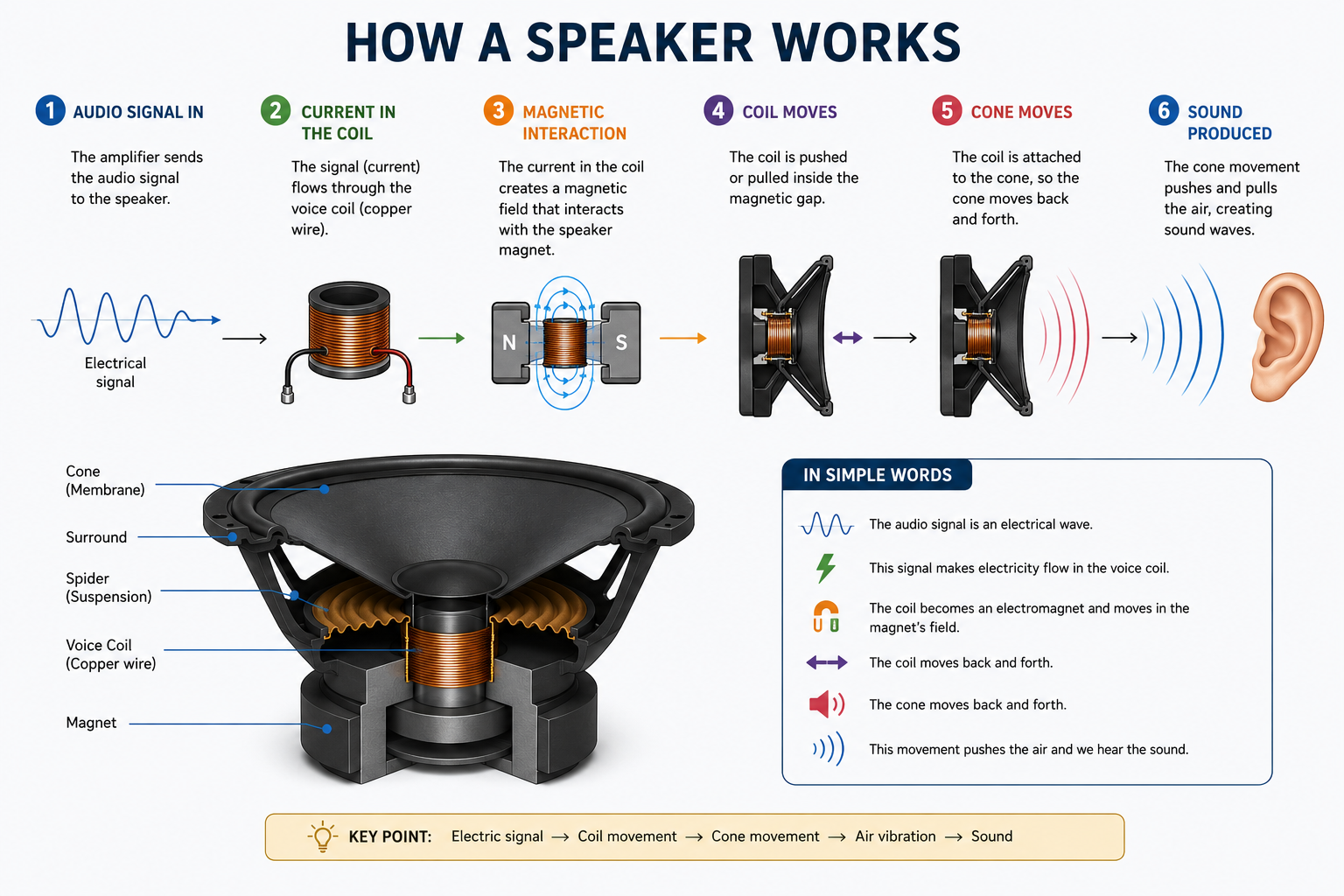
Whether it is a woofer, a midrange driver, or a tweeter, most studio monitor drivers operate using the same basic principle.
An audio signal travels through a voice coil positioned inside a powerful magnetic field generated by a permanent magnet. The interaction between the electrical current and the magnetic field causes the coil to move back and forth. This movement drives the diaphragm, which pushes and pulls air to create sound waves.
Although the size and design may vary depending on the frequency range being reproduced, most loudspeakers share the same essential components.
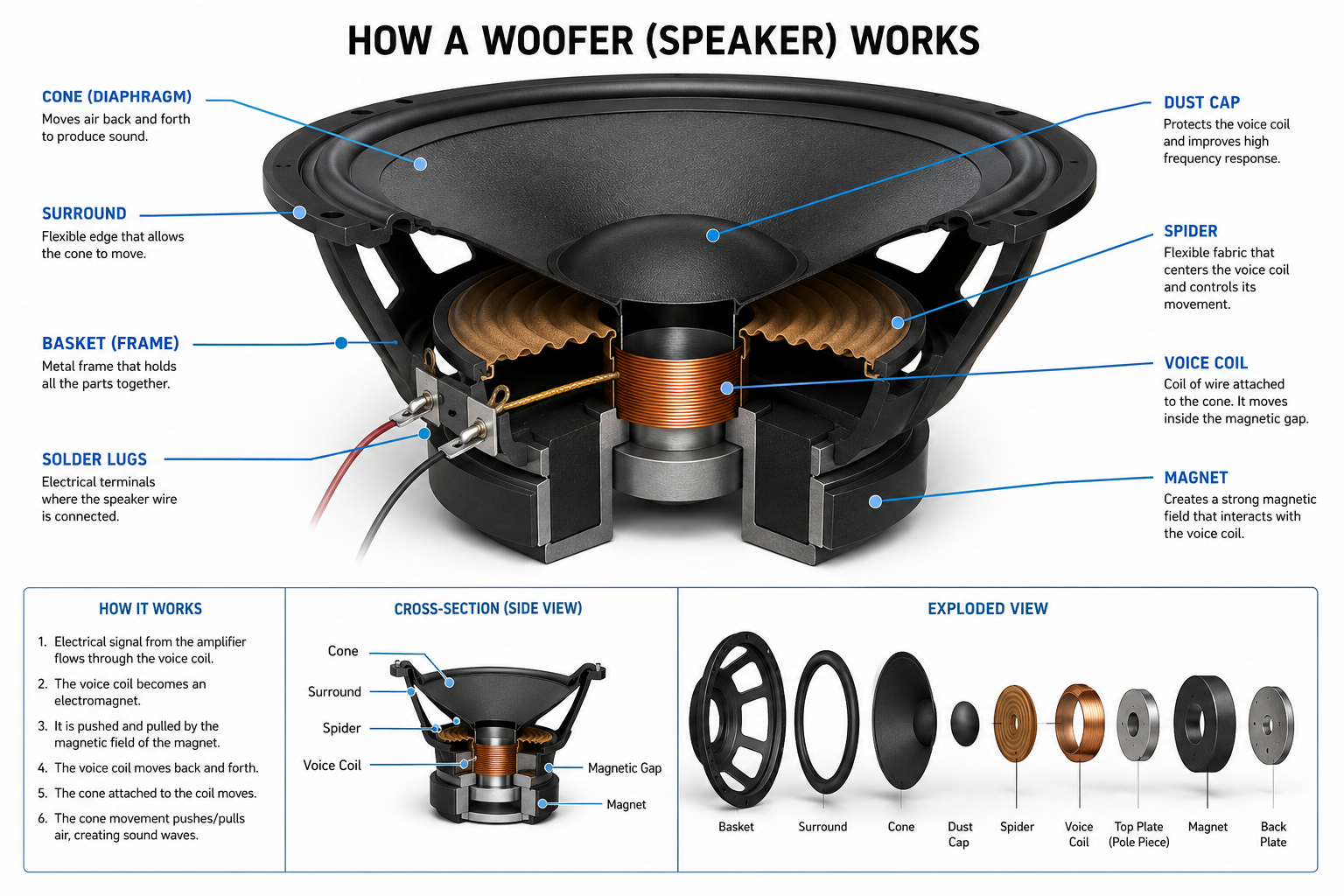
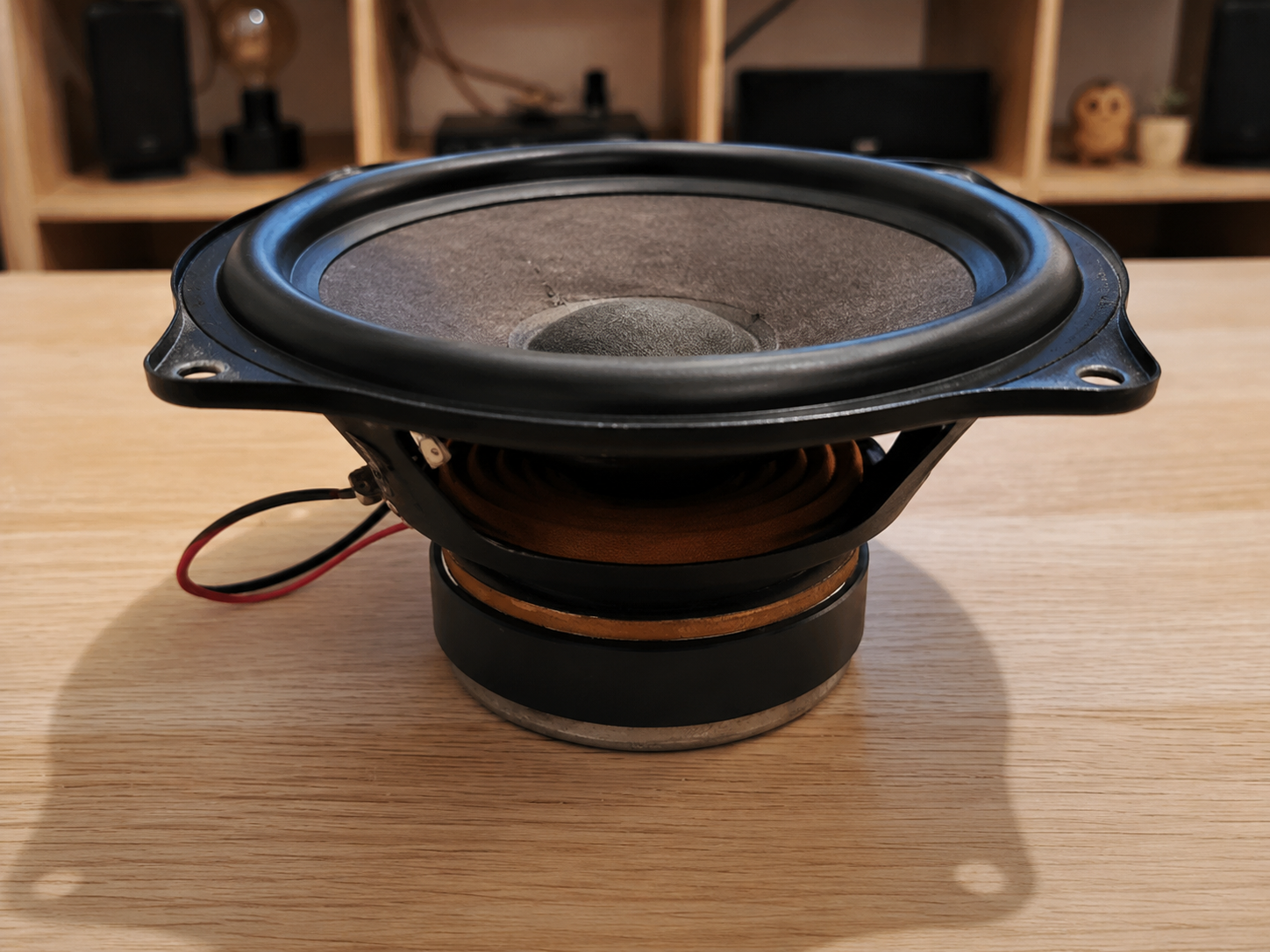
The Basket (Frame)
The basket is the structural frame of the loudspeaker. It supports all the components and keeps them perfectly aligned. It is commonly made from stamped steel or cast aluminum to ensure rigidity and durability.
The Magnet
The magnet creates the magnetic field required for the operation of the loudspeaker. Modern drivers typically use ferrite or neodymium magnets.
The Voice Coil
The voice coil is a coil of wire attached to the diaphragm. When the audio signal passes through it, the coil moves within the magnetic field, converting electrical energy into mechanical movement.
The Diaphragm (Cone)
The diaphragm is the visible part of the loudspeaker that moves air to generate sound. It can be made from paper, polypropylene, Kevlar, fiberglass, aluminum, carbon fiber, or various composite materials.
The Surround
The surround is the flexible ring located around the outer edge of the diaphragm. It allows the cone to move freely while keeping it centered during operation.
The Spider
Located behind the diaphragm, the spider acts as a secondary suspension system. It helps maintain proper alignment of the voice coil and prevents unwanted lateral movement.
The Dust Cap
The dust cap, often located in the center of the cone, protects the voice coil from dust and debris. In some designs, it also contributes to the acoustic performance of the driver.
2. The Woofer: Reproducing Low Frequencies
The woofer is responsible for reproducing bass frequencies and part of the midrange spectrum.
Low frequencies require large amounts of air movement. For this reason, woofers feature larger diaphragms and longer cone excursions than other types of drivers.
Common woofer sizes found in studio monitors include 5-inch, 6.5-inch, and 8-inch models.
In general, larger woofers can reproduce deeper bass frequencies, although room acoustics and enclosure design also play an important role.
Because of their larger moving mass, woofers are not optimized for reproducing high frequencies. Their primary purpose is to deliver accurate and controlled low-frequency performance.
3. The Midrange Driver: The Heart of the Mix
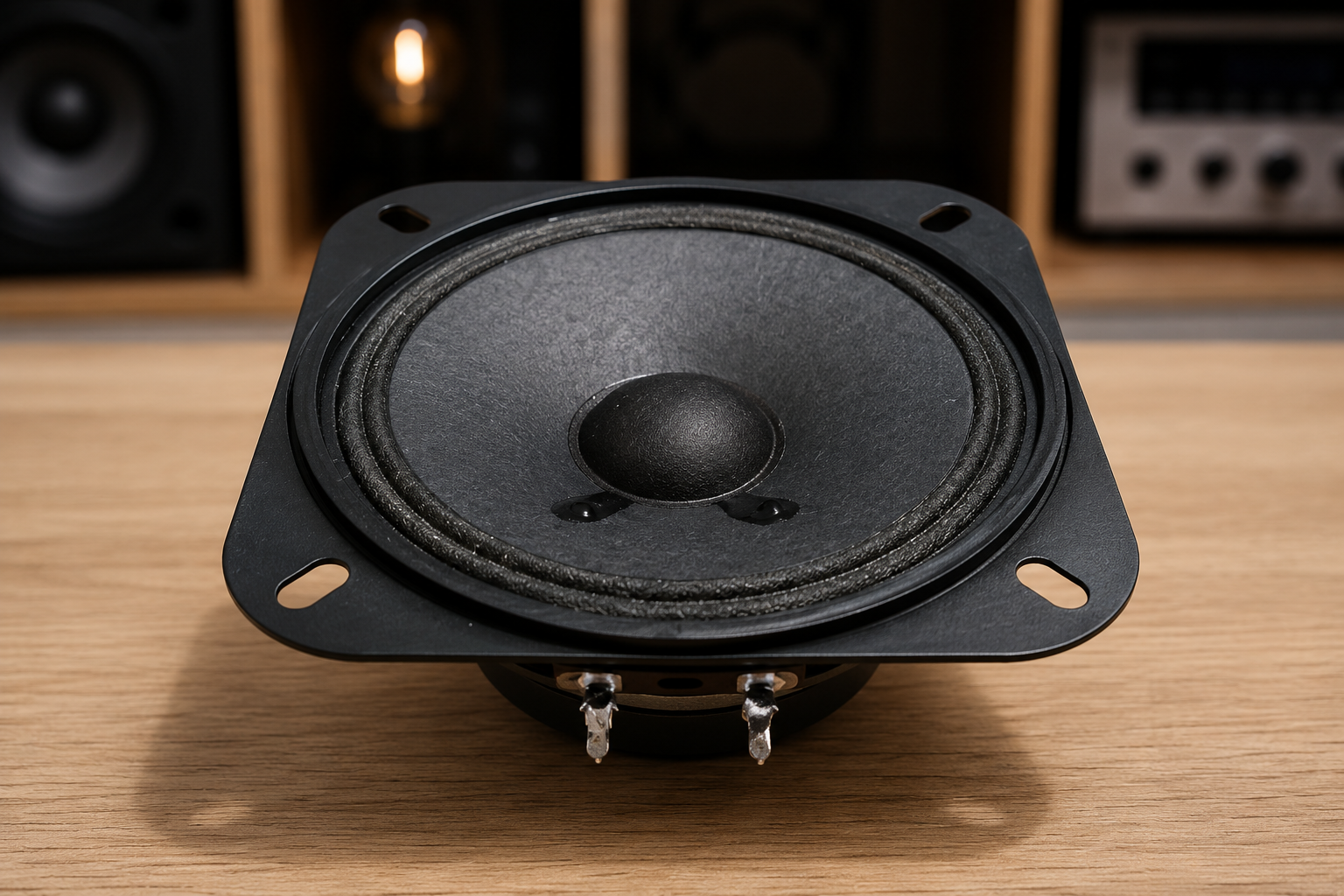
In a 3-way monitor, a dedicated midrange driver is used to reproduce the frequencies between the woofer and the tweeter.
This frequency range is particularly important because it contains most musical information, including:
- Vocals
- Guitars
- Pianos
- Strings
- Brass instruments
Compared to a woofer, a midrange driver typically uses a smaller and lighter diaphragm. This allows it to respond faster and reproduce details with greater precision.
Because the midrange handles the frequencies most sensitive to human hearing, its quality has a significant impact on the overall clarity and realism of a monitor.
4. The Tweeter: Reproducing High Frequencies
The tweeter is responsible for reproducing the highest frequencies of the audible spectrum.
To reproduce these fast vibrations accurately, the tweeter uses an extremely lightweight diaphragm.
Several tweeter technologies are commonly found in studio monitors.
Dome Tweeters
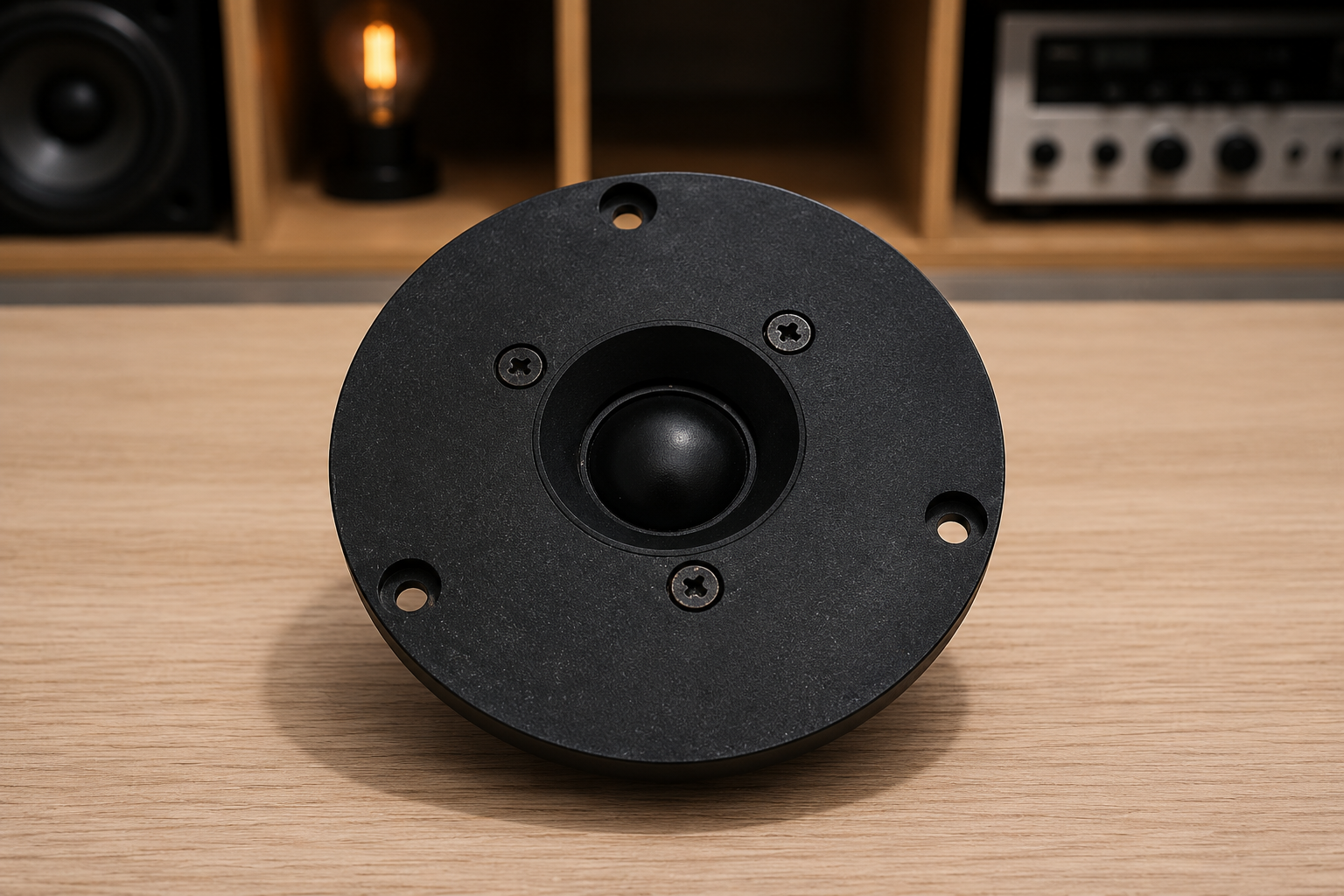
The dome tweeter is the most common design used in studio monitors.
Its diaphragm may be made from soft materials such as silk or fabric, or from rigid materials such as aluminum or titanium.
Dome tweeters generally provide a smooth and balanced high-frequency response.
Ribbon Tweeters
Ribbon tweeters use an extremely thin metallic ribbon that acts both as the diaphragm and the conductor.
Due to their very low mass, ribbon tweeters can respond exceptionally quickly to transient information, resulting in highly detailed high-frequency reproduction.
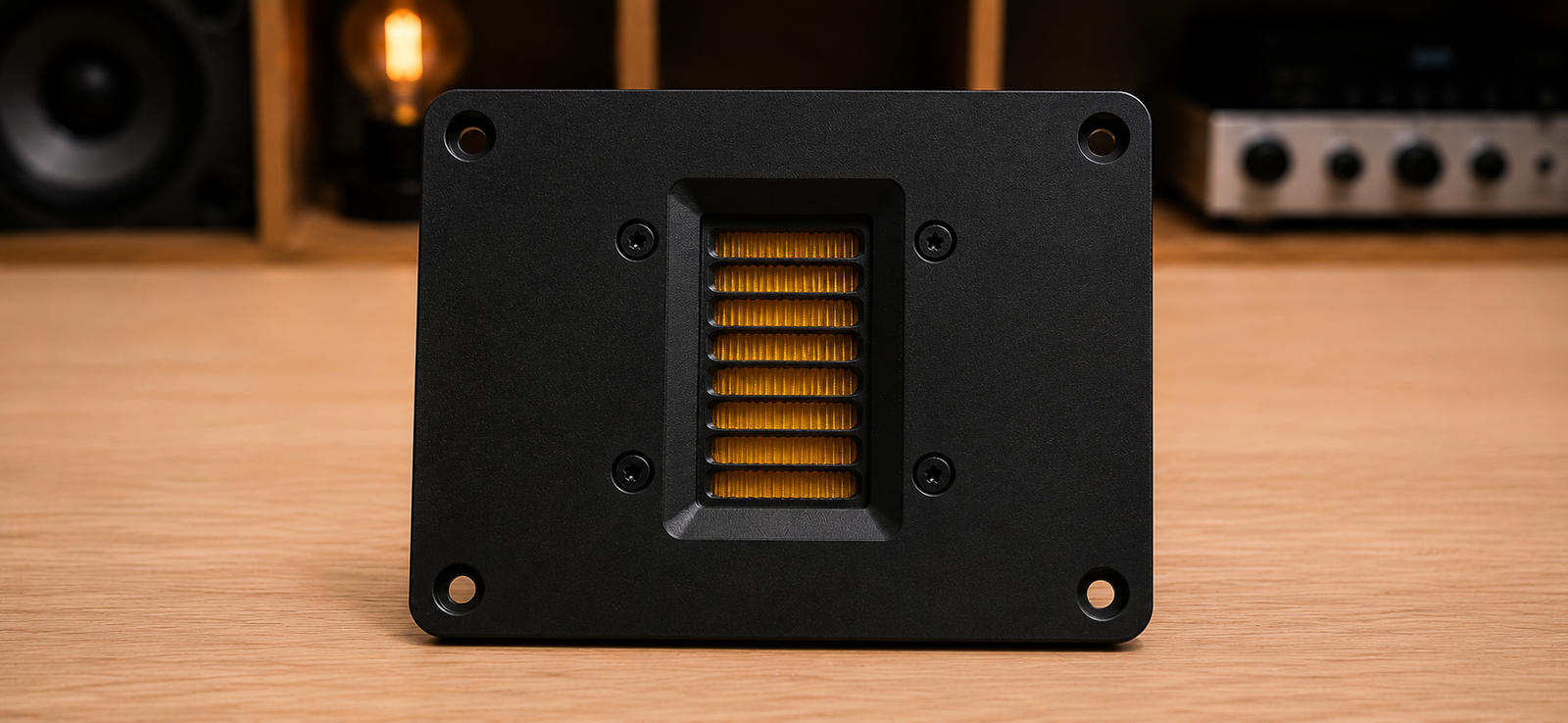
AMT Tweeters (Air Motion Transformer)
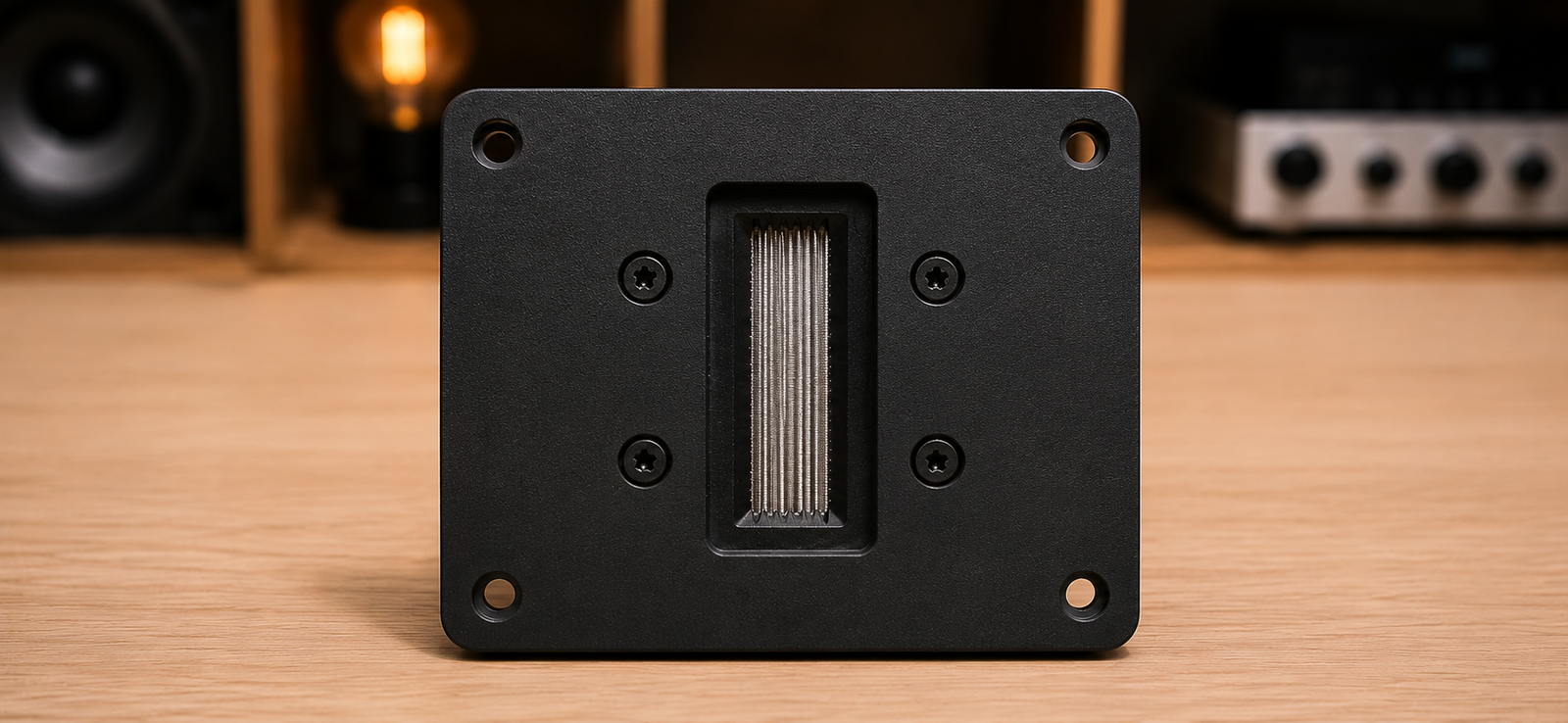
An Air Motion Transformer uses a folded diaphragm rather than a conventional dome.
Instead of moving forward and backward like a traditional tweeter, the folded membrane squeezes and expands air between its pleats.
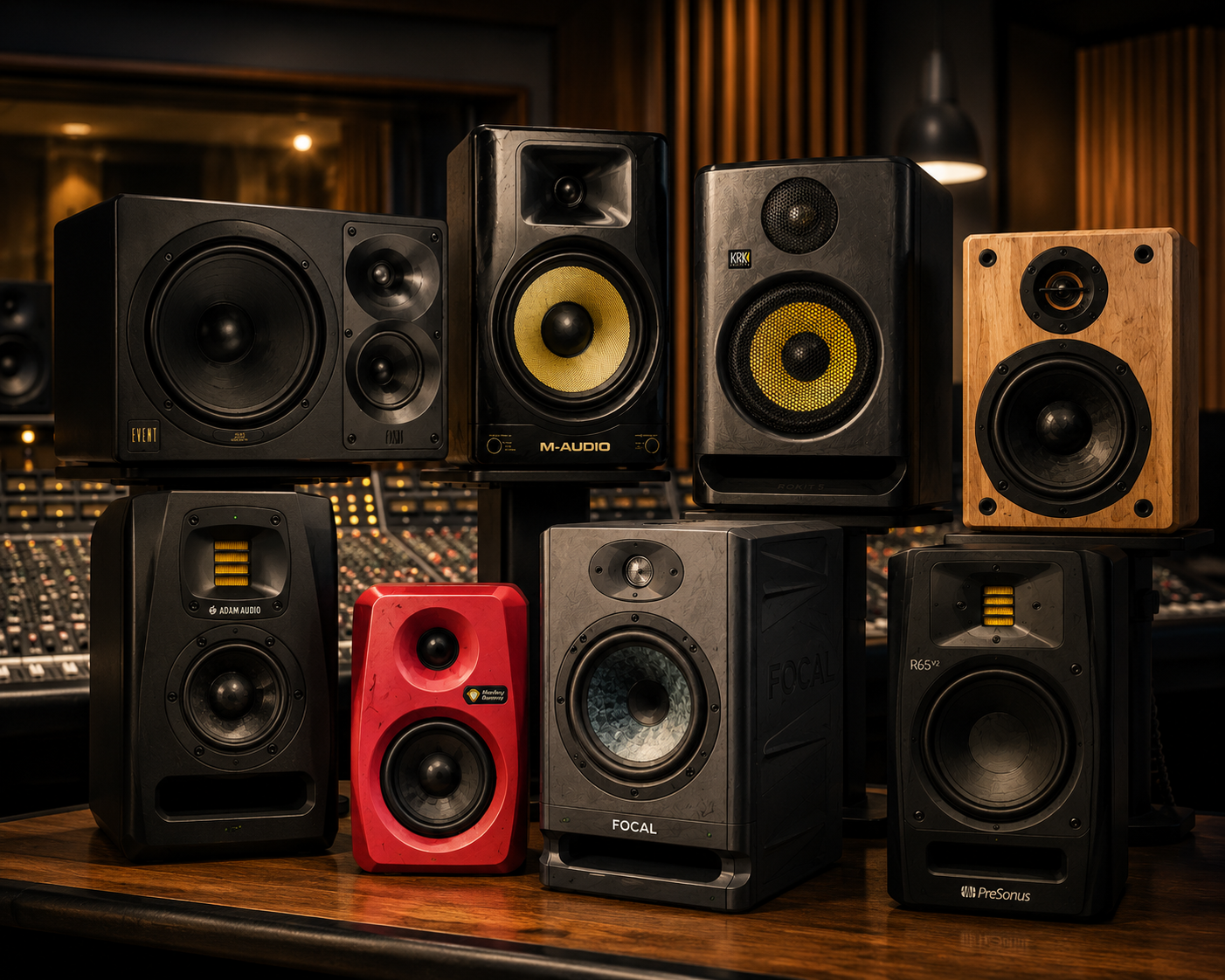
This design offers excellent efficiency, low distortion, and remarkable detail, making AMT tweeters popular in high-end studio monitors such as those produced by Adam Audio.
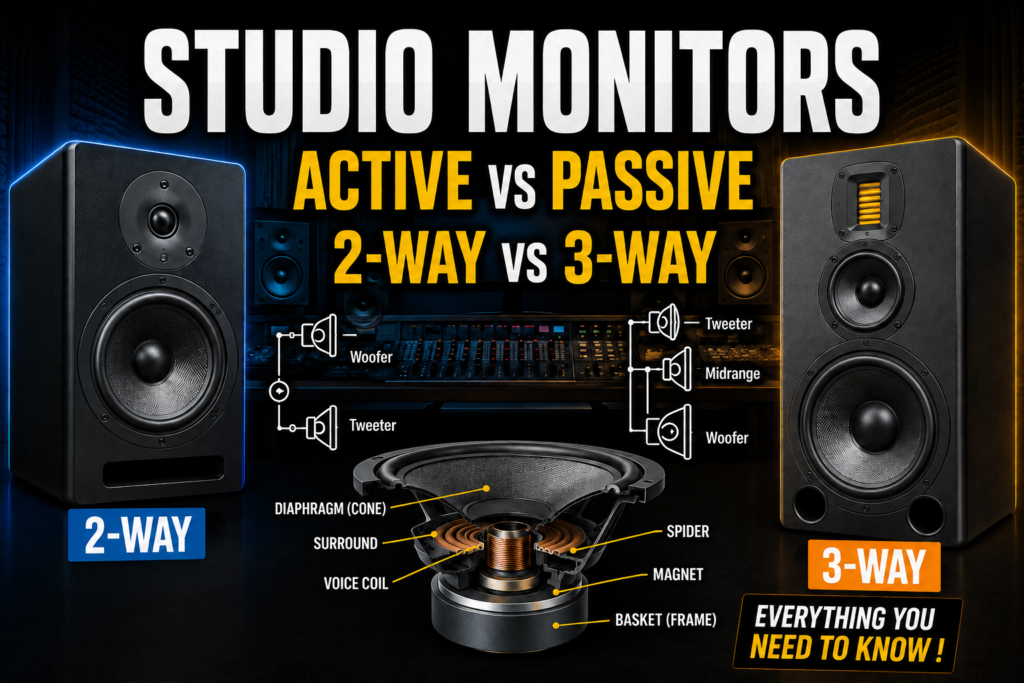
5. 2-Way Studio Monitors
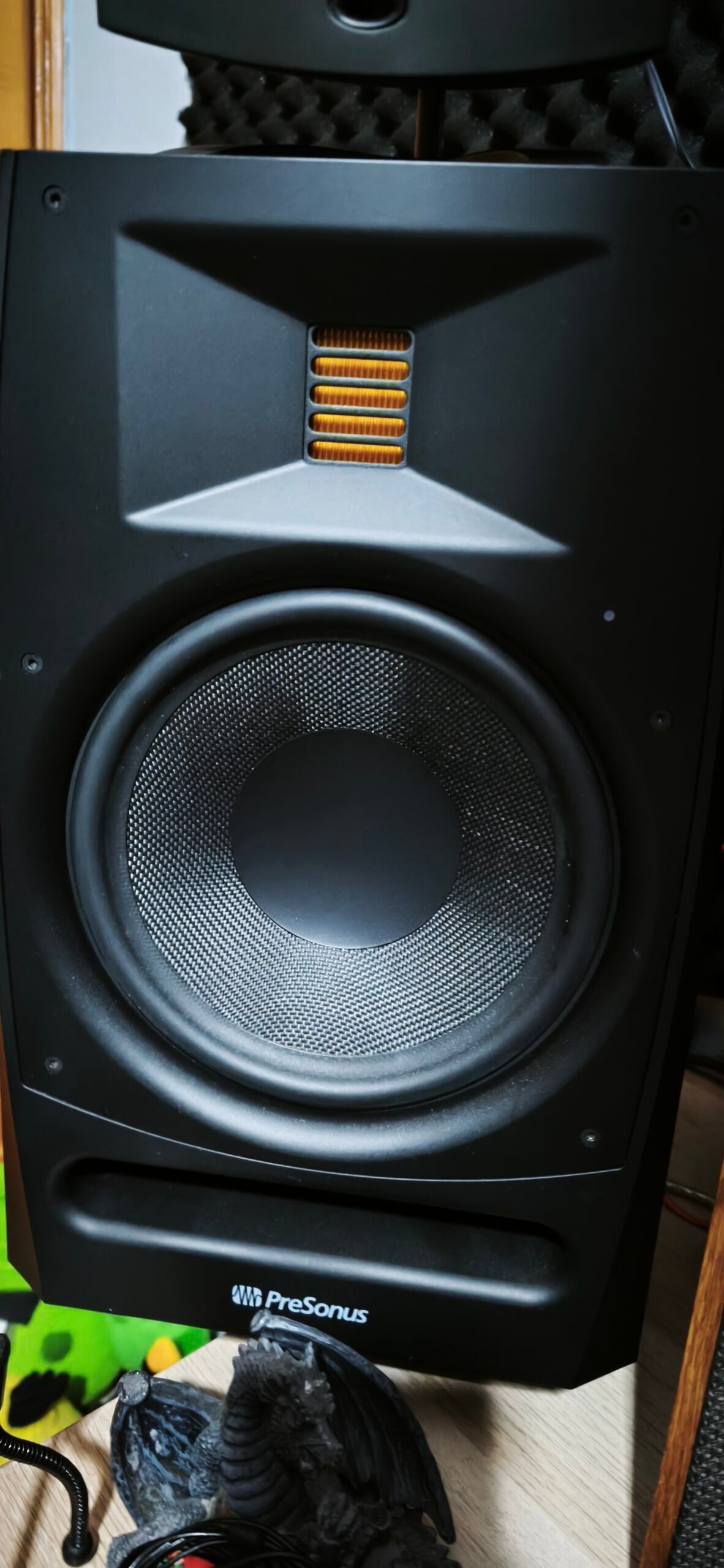
A 2-way monitor uses two drivers:
A woofer handles the low and part of the mid frequencies, while a tweeter reproduces the high frequencies.
A crossover network divides the audio signal and sends the appropriate frequencies to each driver.
Because of their simplicity, affordability, and compact size, 2-way monitors have become the standard choice for home studios and project studios.
When properly designed, a 2-way monitor can provide excellent accuracy and reliable mixing results.
6. 3-Way Studio Monitors
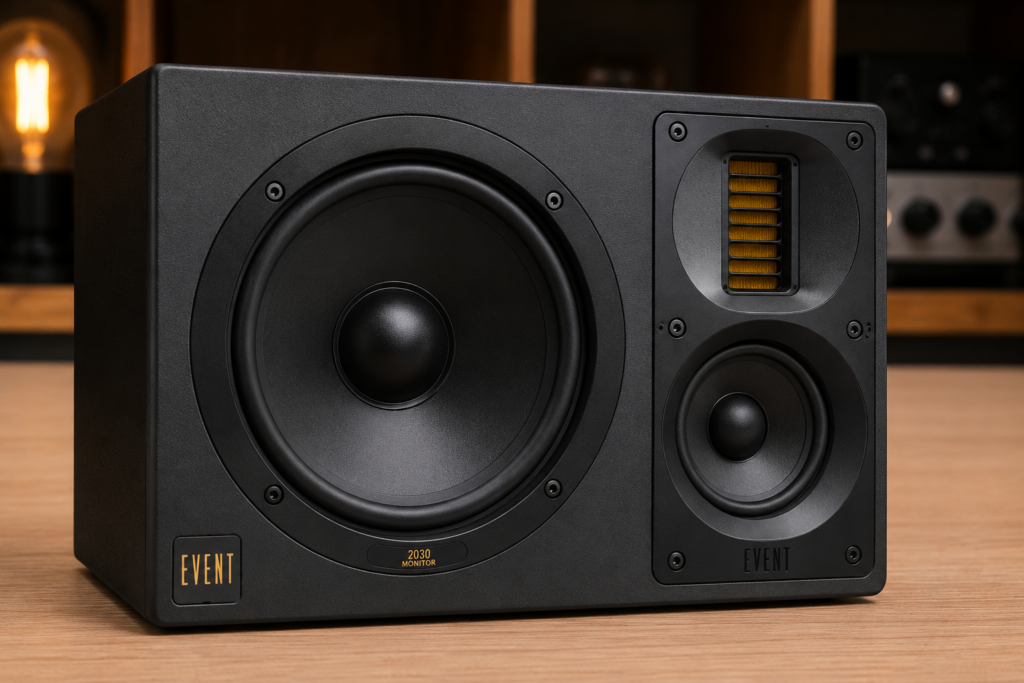
A 3-way monitor adds a dedicated midrange driver between the woofer and the tweeter.
The frequency spectrum is therefore divided among three specialized drivers:
The woofer reproduces bass frequencies.
The midrange driver reproduces mid frequencies.
The tweeter reproduces high frequencies.
Since each driver operates within a narrower frequency range, distortion can be reduced and overall clarity improved.
The biggest advantage of a 3-way design is often found in the midrange region, where vocals and instruments can sound more detailed and easier to position within a mix.
For this reason, 3-way monitors are frequently used in professional recording, mixing, and mastering studios.
7. Crossovers: Dividing the Frequency Spectrum
Different drivers are optimized for different frequency ranges.
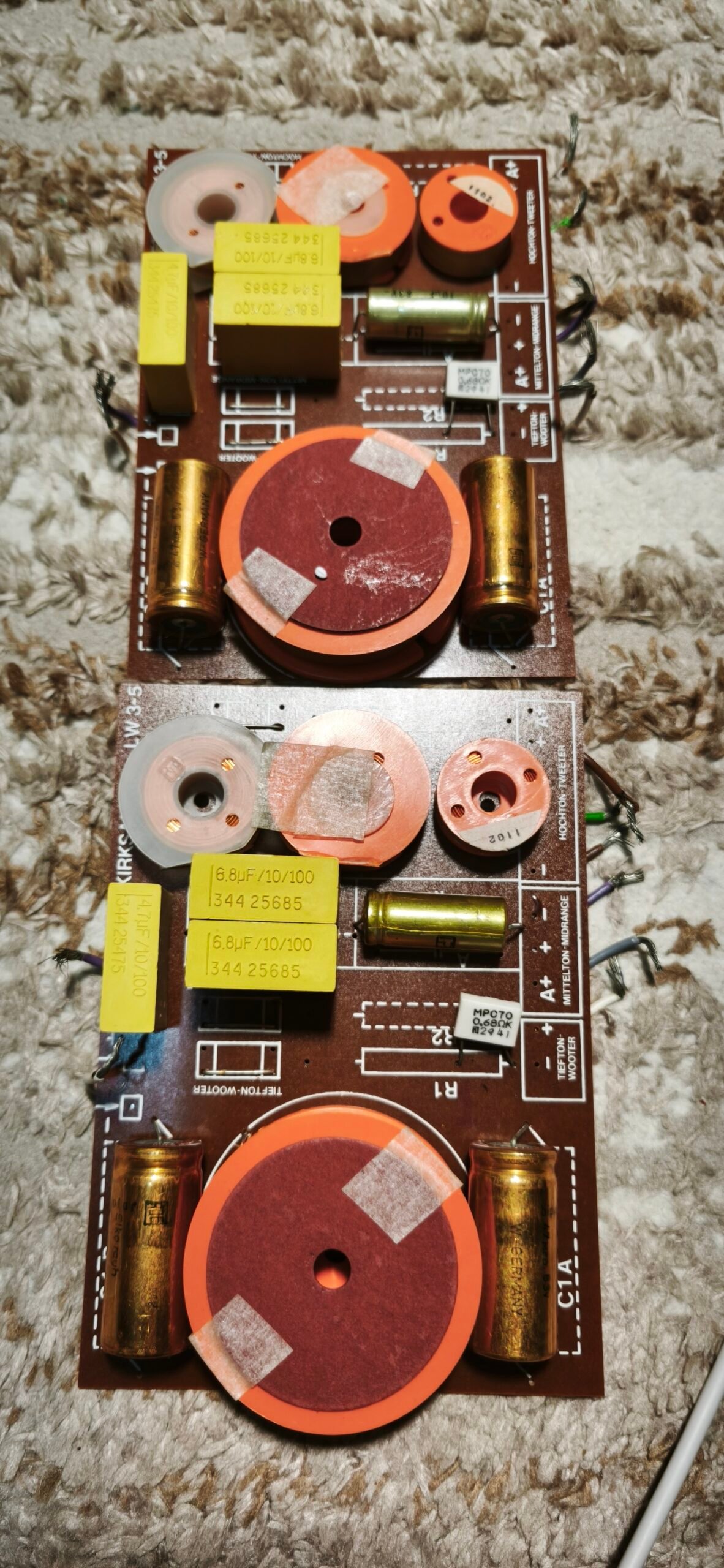
A crossover is an electronic or passive circuit that divides the audio signal and directs specific frequencies to the appropriate driver.
Without a crossover, a tweeter could receive low frequencies capable of damaging it, while a woofer would struggle to reproduce high frequencies accurately.
The quality of the crossover network plays a critical role in the performance of any loudspeaker system.
A well-designed crossover ensures smooth transitions between drivers and maintains a balanced frequency response.
8. Active and Passive Studio Monitors
One of the most important distinctions in studio monitoring is whether a speaker is active or passive.
Active Monitors
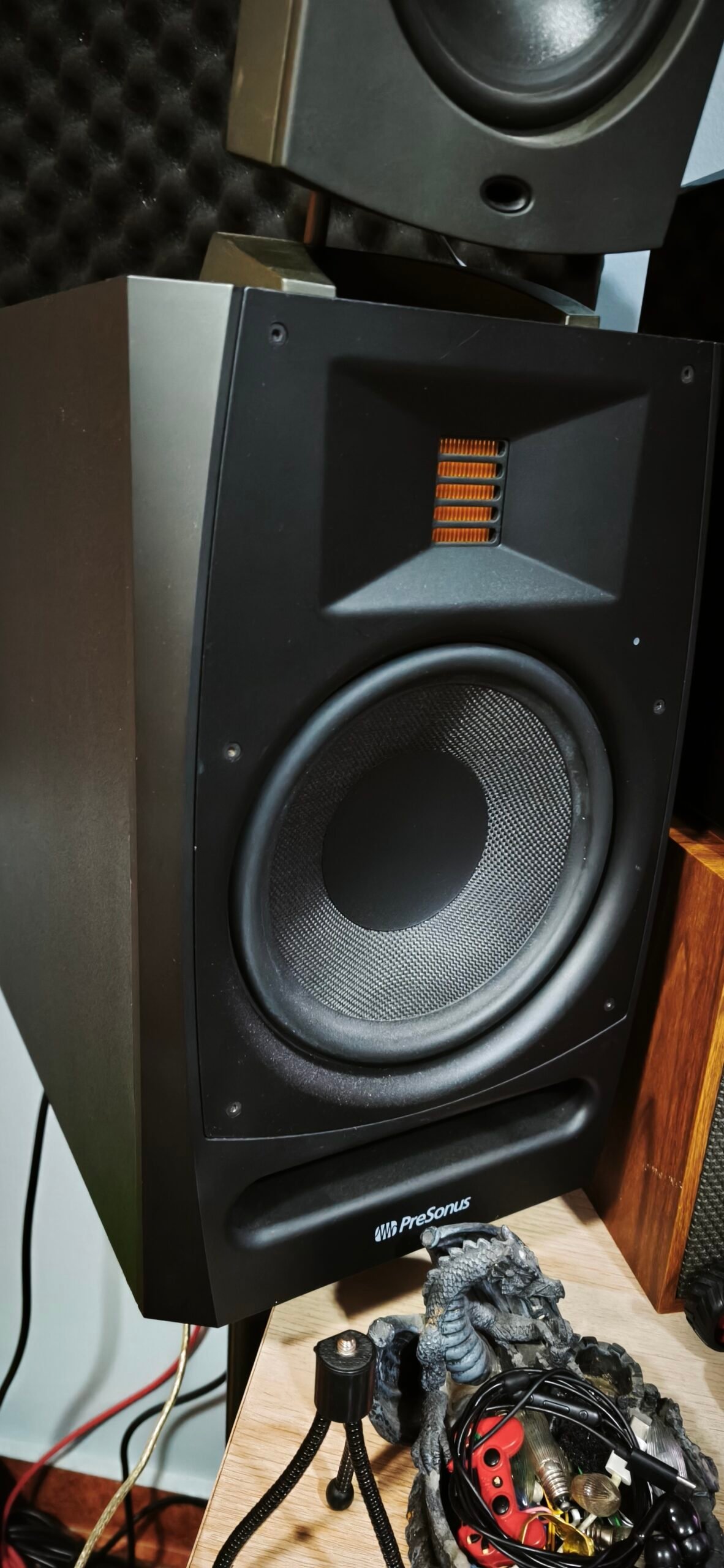
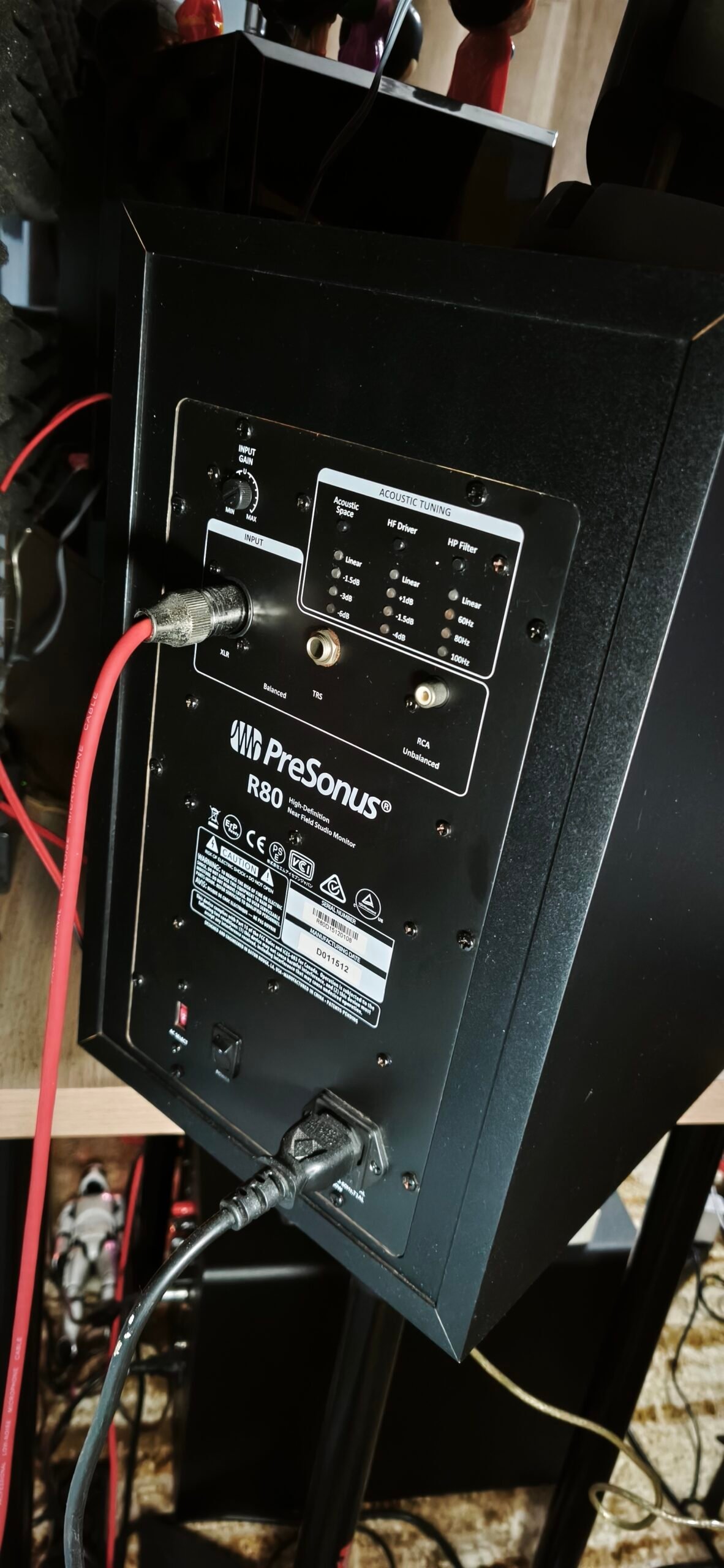
Active monitors contain their own built-in amplifiers.
In many modern designs, each driver has a dedicated amplifier channel. For example, a 2-way monitor may use one amplifier for the woofer and another for the tweeter.
This approach allows manufacturers to optimize amplification, crossover settings, and driver performance as a complete system.
Today, active monitors dominate the professional studio market because of their convenience and performance.
Passive Monitors
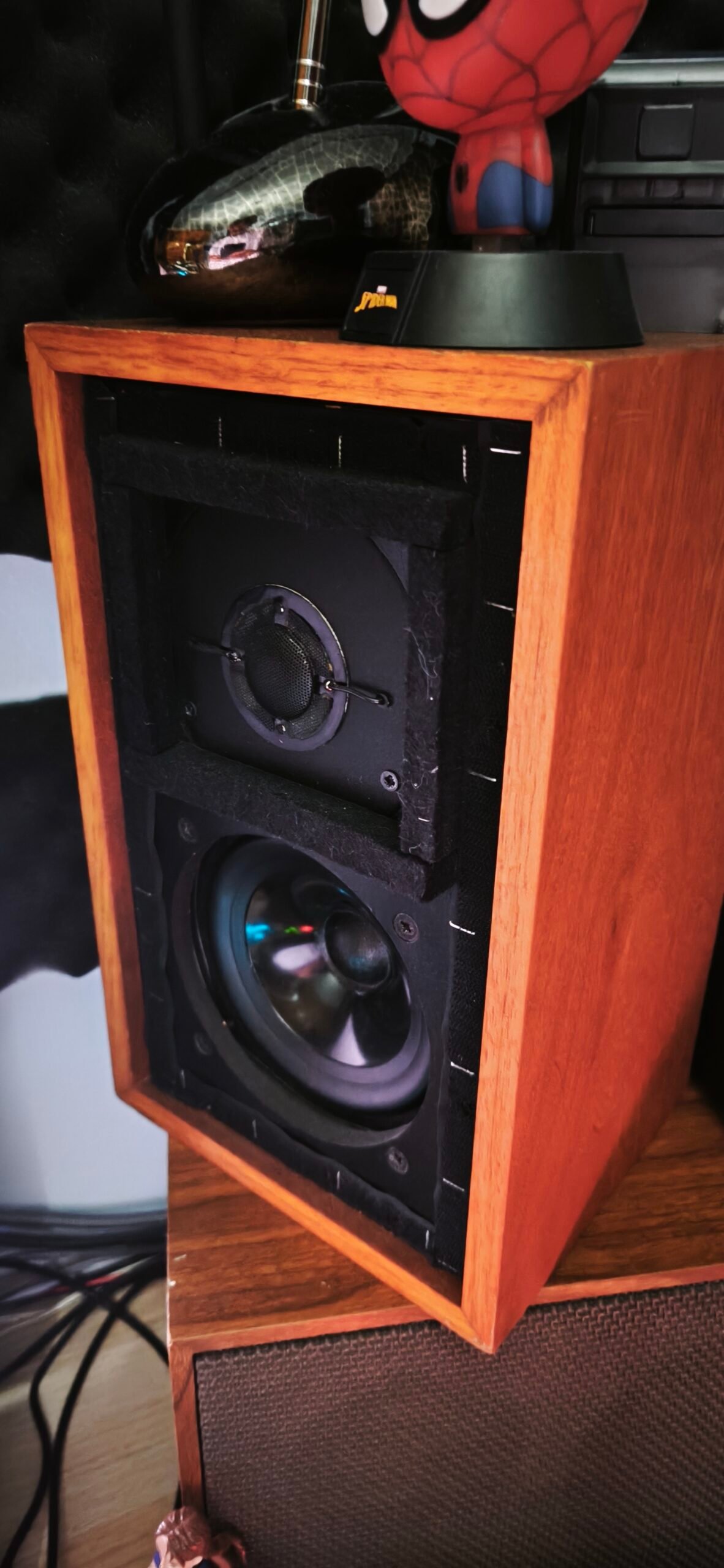
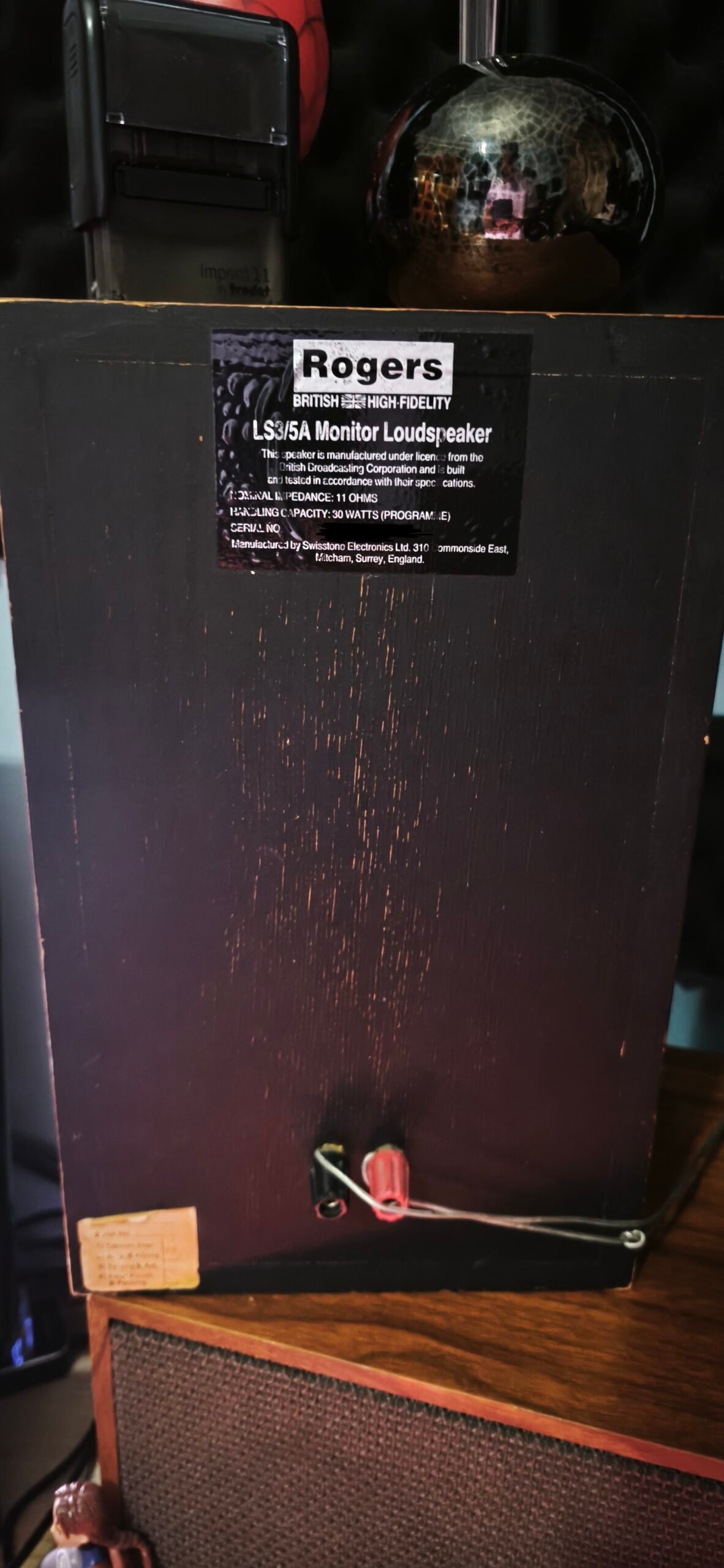
Passive monitors do not contain internal amplifiers.
They require an external power amplifier to drive the loudspeakers.
The audio signal is distributed to the drivers through a passive crossover network located inside the speaker cabinet.
Although passive monitors offer greater flexibility when choosing amplification, they require additional equipment and careful matching between amplifier and speaker.
Conclusion
Behind the apparent simplicity of a studio monitor lies a sophisticated combination of mechanical, electrical, and acoustic engineering.
Understanding the role of the diaphragm, voice coil, surround, spider, woofer, midrange driver, and tweeter helps explain why different monitor designs can sound and perform so differently.
Whether you choose active or passive monitors, a 2-way or 3-way system, the ultimate goal remains the same: accurate sound reproduction that allows you to make confident mixing decisions and create recordings that translate well across all listening environments.