
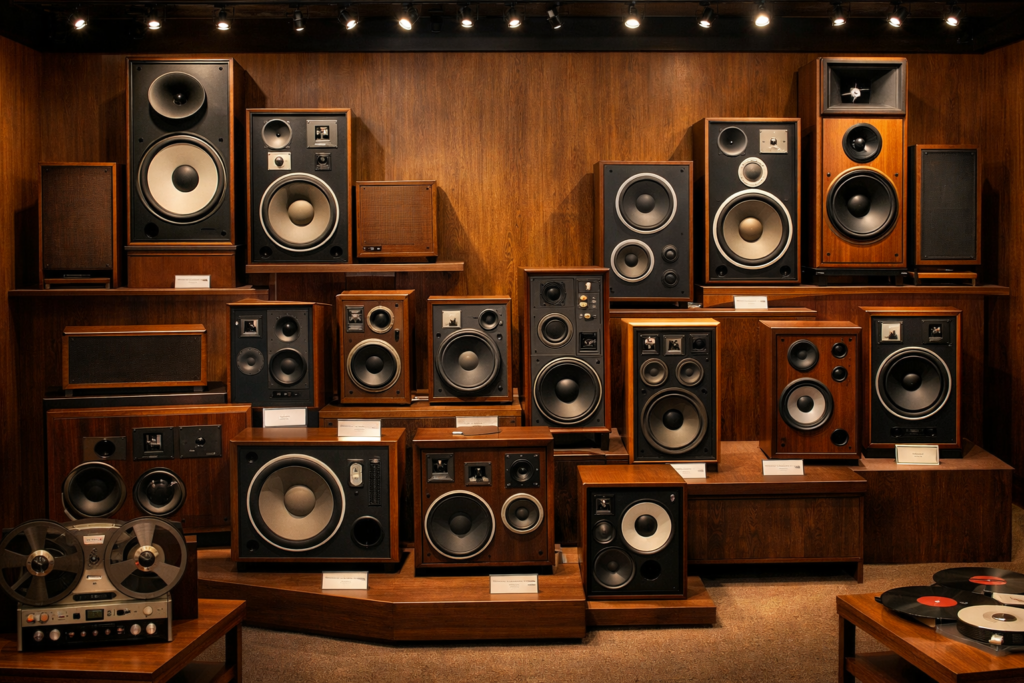
Musicality, durability, and a different philosophy of sound
In an era where audio technology continues to push toward ultra-clean precision and analytical detail, it may seem surprising that many listeners are still drawn to vintage speakers.
But after spending time listening to older hi-fi systems, something becomes clear very quickly: vintage speakers are not about nostalgia. They represent a different philosophy of sound — one centered on musical enjoyment, durability, and long-term listening comfort.
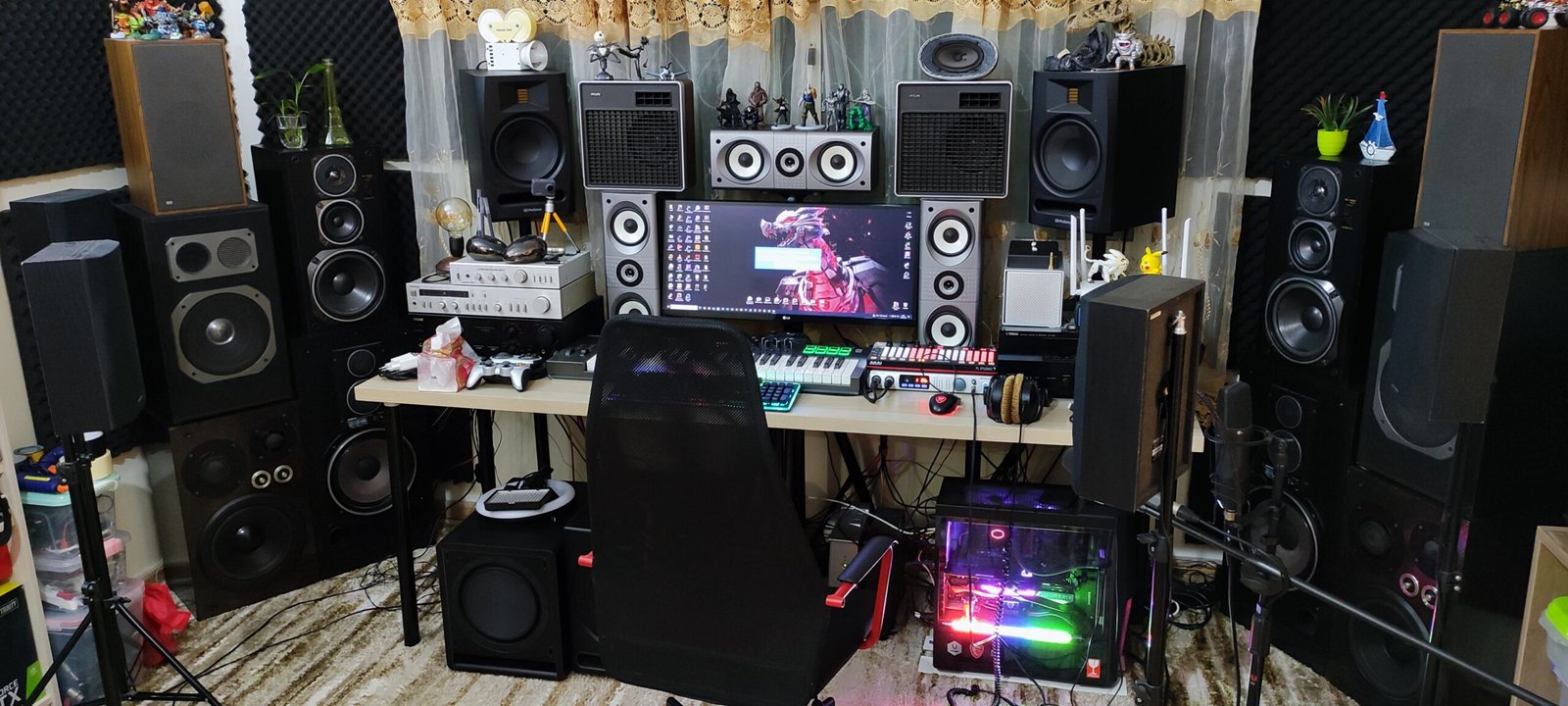
It is not unusual to encounter speakers that are forty or fifty years old and still working perfectly. Even more impressive, some designs originating in the 1950s and 60s are now sixty or even seventy years old and continue to reproduce music beautifully. That kind of longevity says a lot about how audio equipment used to be built.
Built in an era when things were meant to last
When you handle a vintage speaker, the first impression is often its solidity. Cabinets feel dense and stable rather than hollow or fragile. Their construction reflects a time when hi-fi systems were considered long-term investments — objects meant to remain in a home for decades.
Because of this philosophy, many vintage speakers remain structurally sound today. Their design also makes maintenance and restoration easier, allowing them to continue performing far beyond their original lifespan.
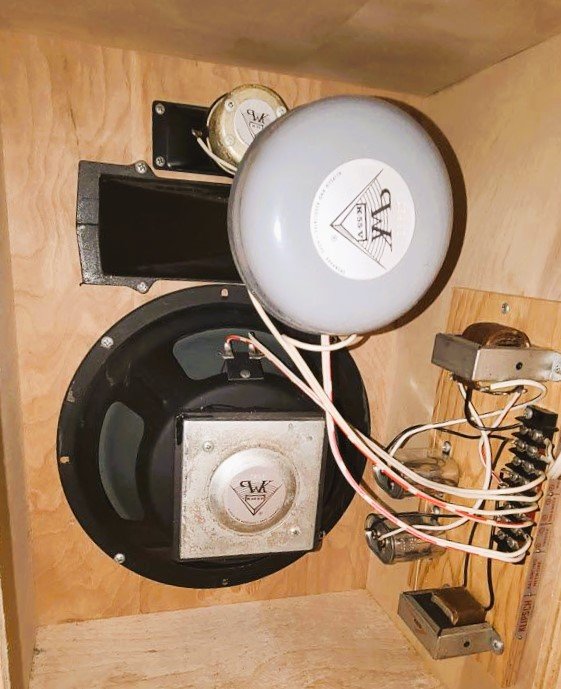
A sound designed for real living spaces
Vintage loudspeakers were designed for real homes, not laboratory measurements.
Rather than chasing extreme analytical precision, they aimed to create a natural and enjoyable listening experience — the kind that invites you to listen longer instead of analyzing every detail.
Music feels warm, present, and easy to live with.
This is one of the reasons vintage sound is often described as “musical.”

The role of drivers in the vintage sound character
Much of the appeal of vintage speakers comes from how their drivers work together. Instead of pursuing extreme performance in one area, many classic designs focused on balance and coherence.
Low frequencies: depth without exaggeration
Vintage systems often used large woofers capable of moving air effortlessly. The result is not artificially boosted bass, but a sense of weight and warmth that gives music depth and foundation.
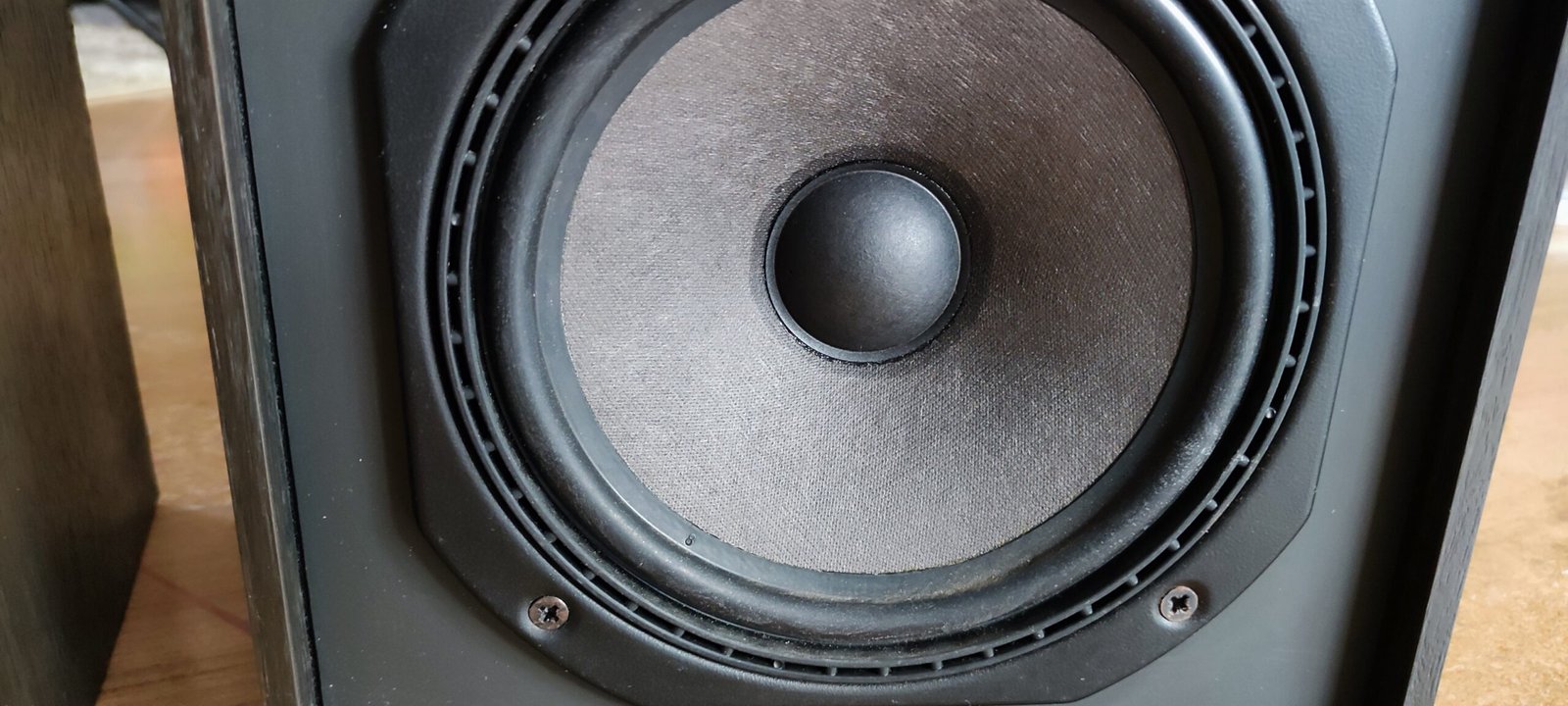
Midrange: where realism lives
The midrange is the heart of musical realism. It is where voices, guitars, pianos, and most acoustic instruments exist.
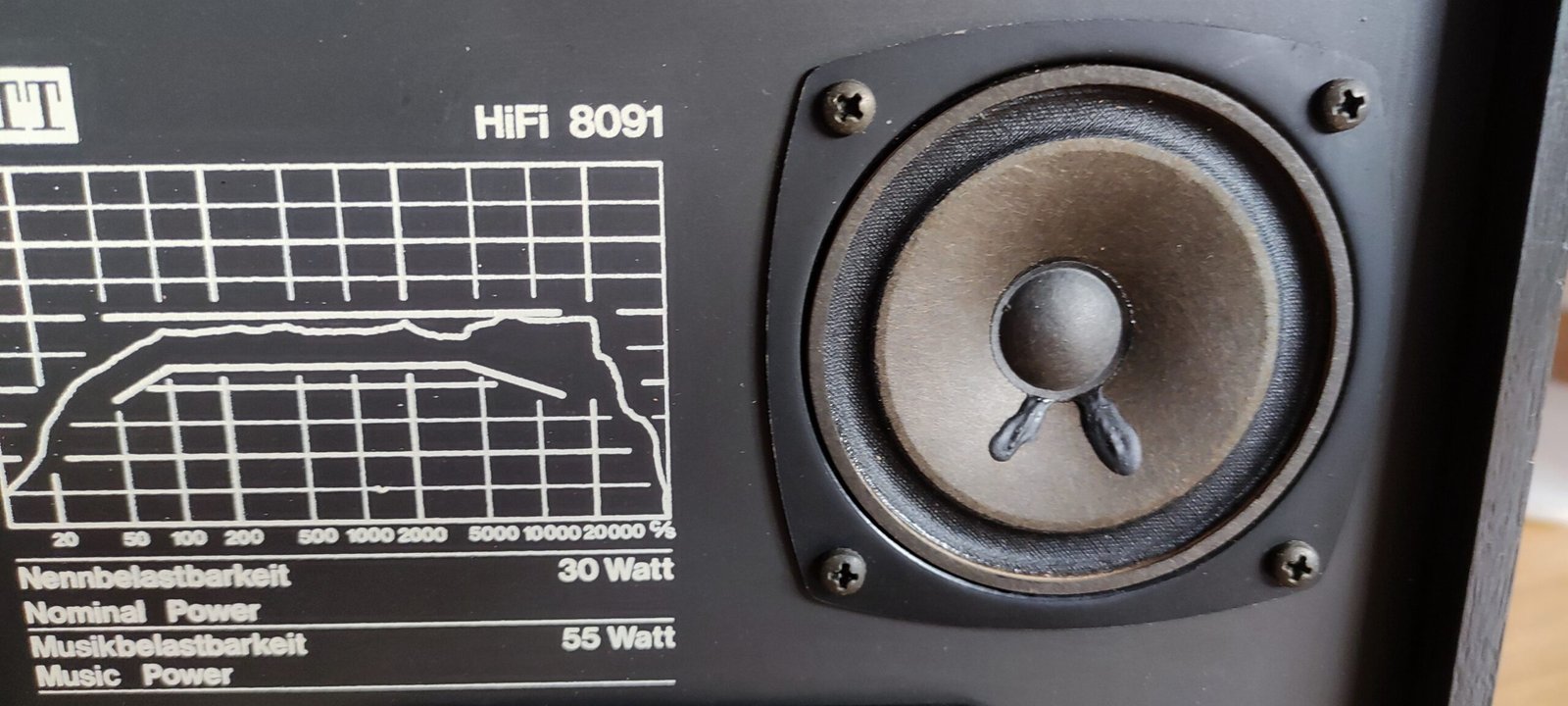
Vintage speakers often achieve natural mids through paper cone drivers, dedicated midrange units, dome midranges, or horn-loaded designs in high-efficiency systems.
When this region is reproduced correctly, voices sound human, instruments feel tangible, and the music creates an immediate emotional connection.
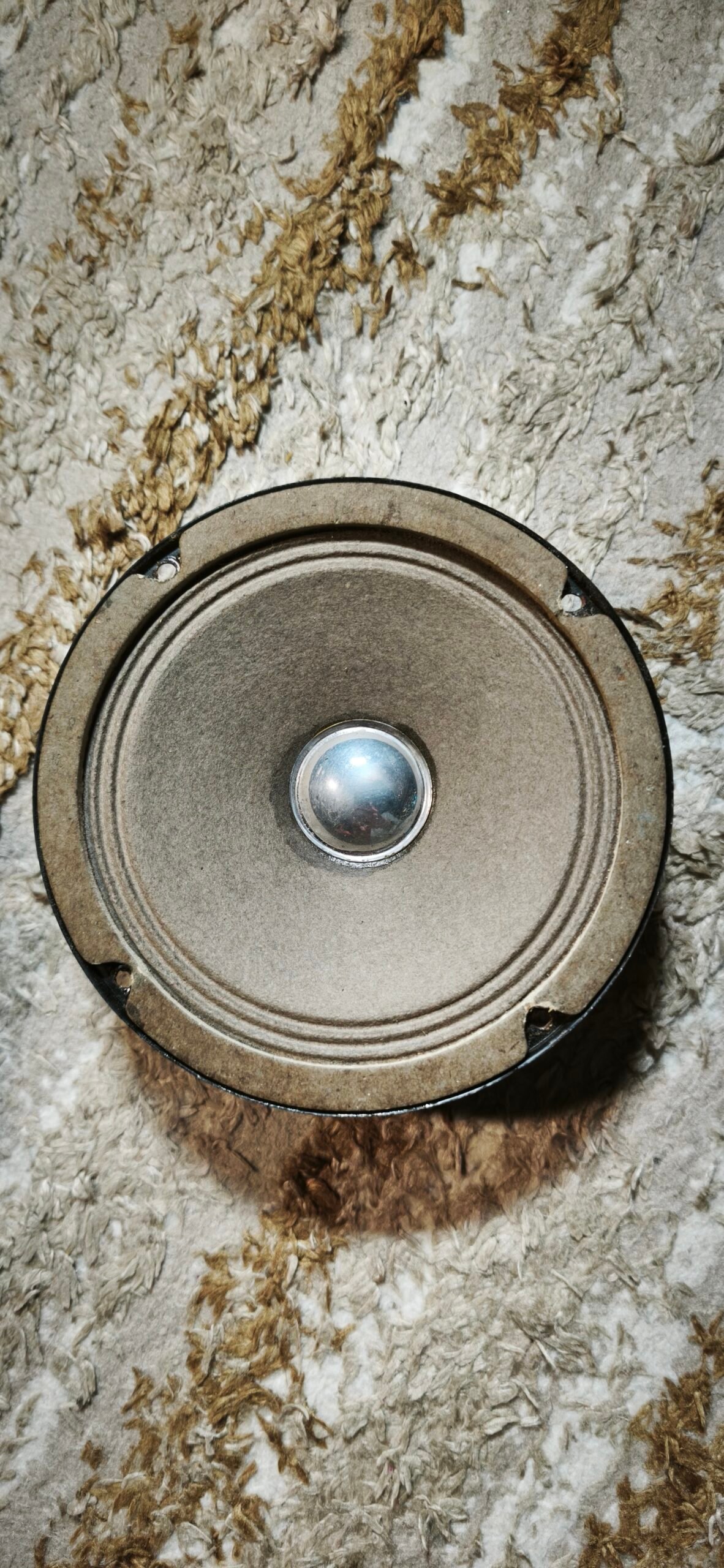
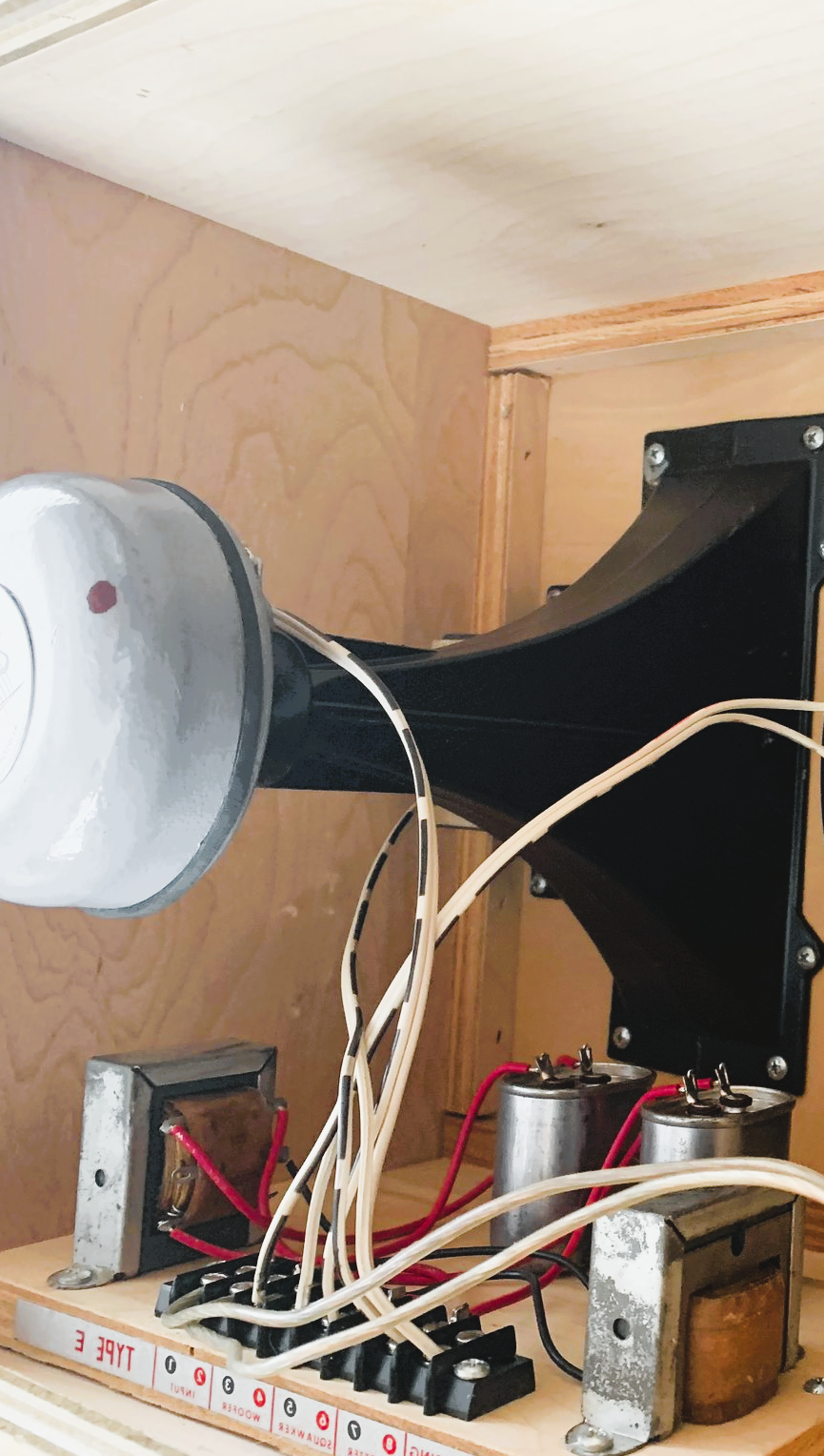
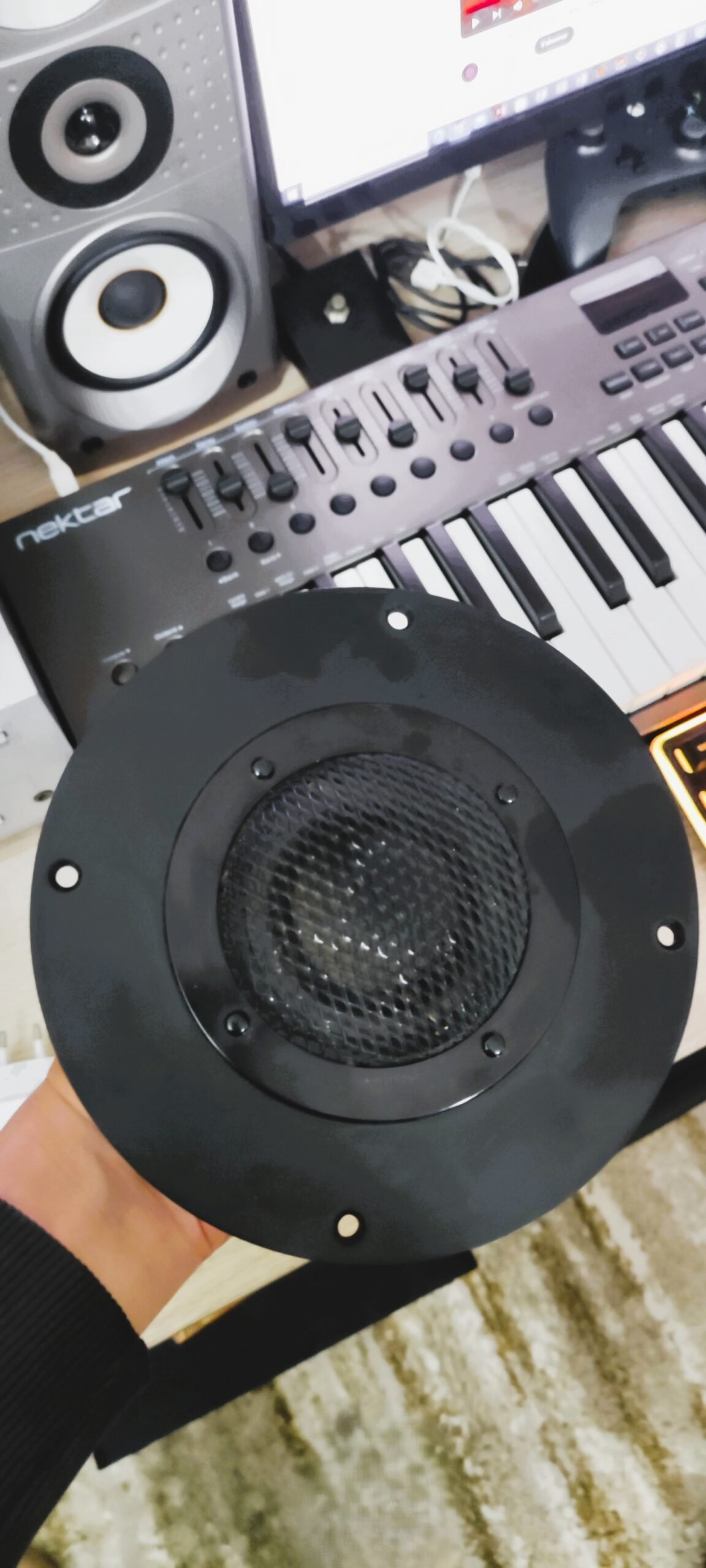
High frequencies: detail without fatigue
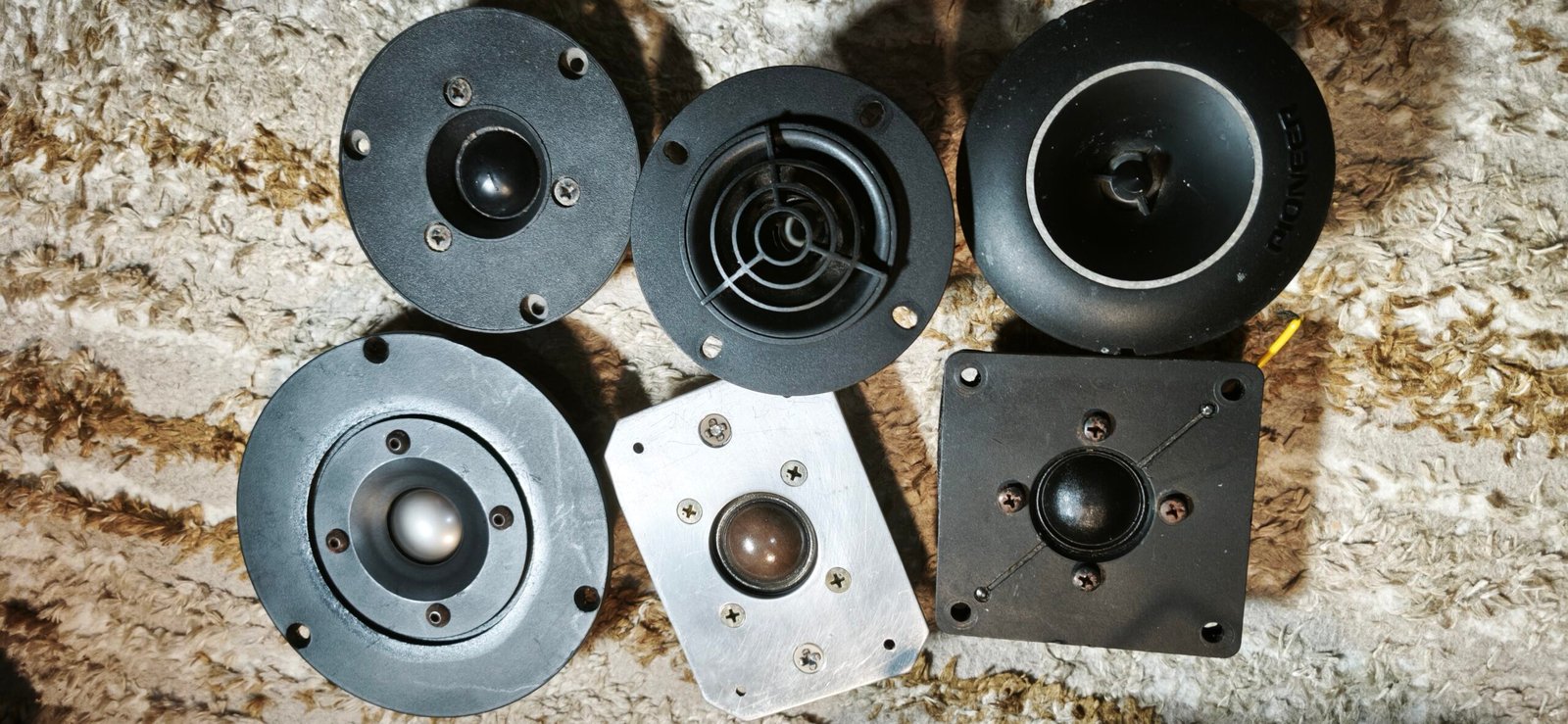
Vintage speakers used several tweeter designs, each offering a distinct sonic character.
Cone tweeters often produce soft, relaxed highs.
Dome tweeters provide greater clarity and refinement.
Horn tweeters deliver energy and projection, especially in larger spaces.
When properly tuned, these systems produce highs that feel open and detailed without becoming sharp or fatiguing.
The passive crossover: the invisible conductor
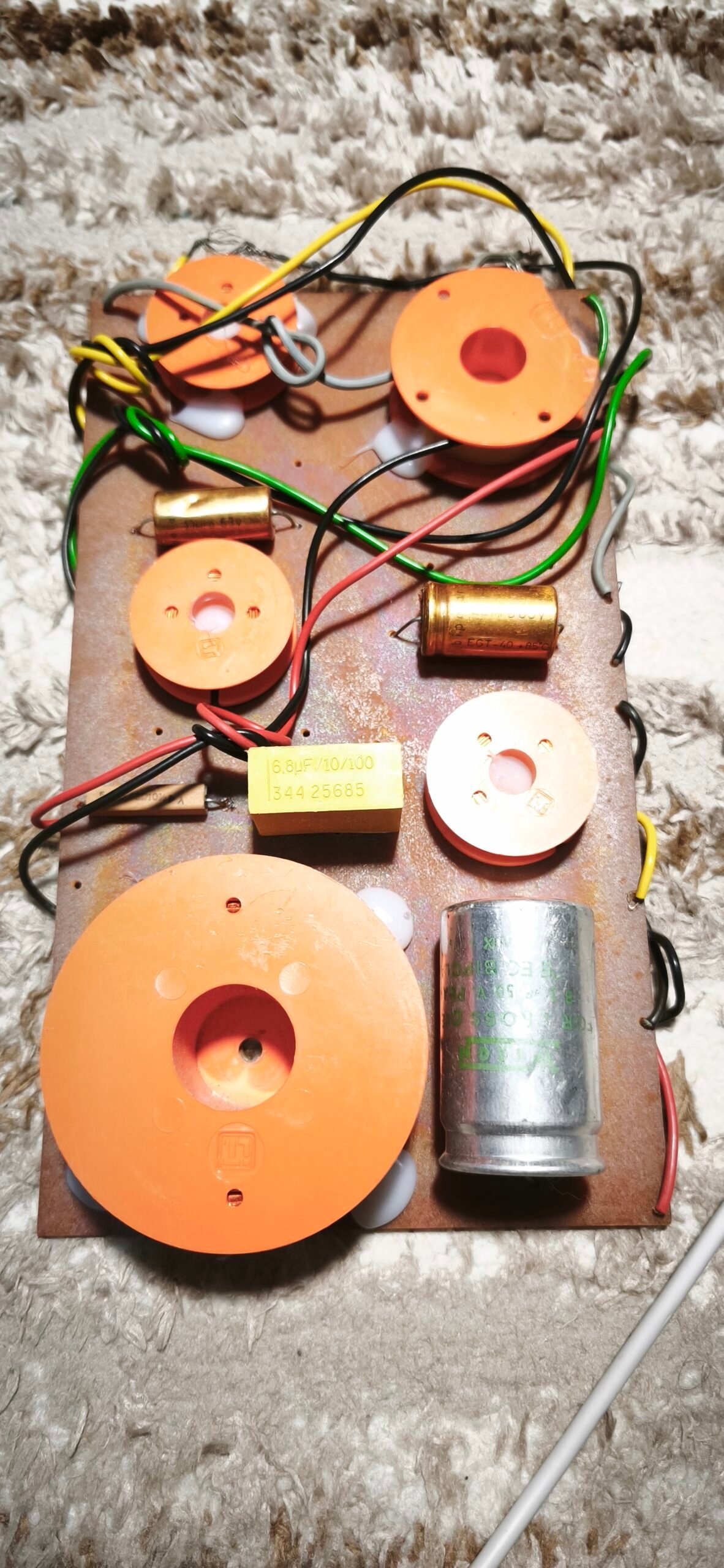
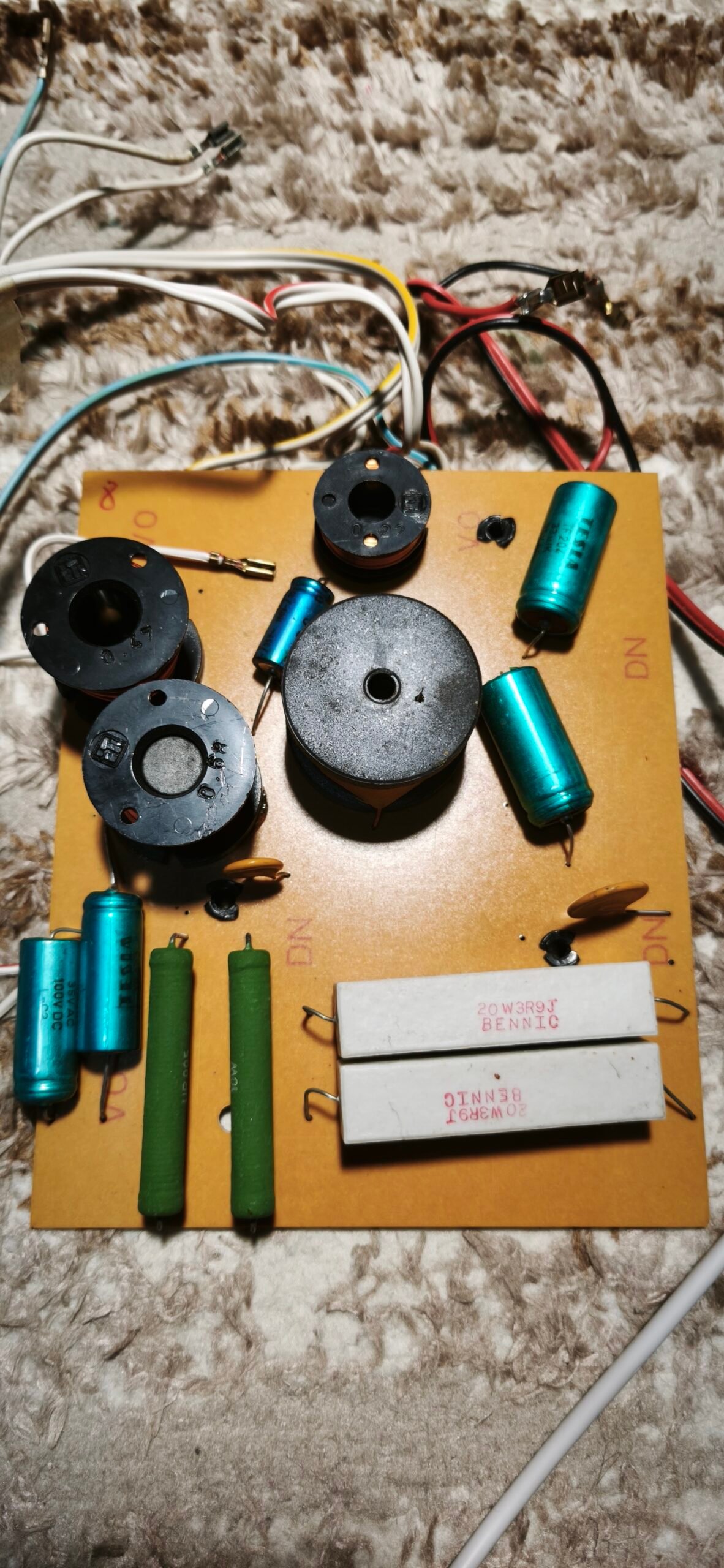
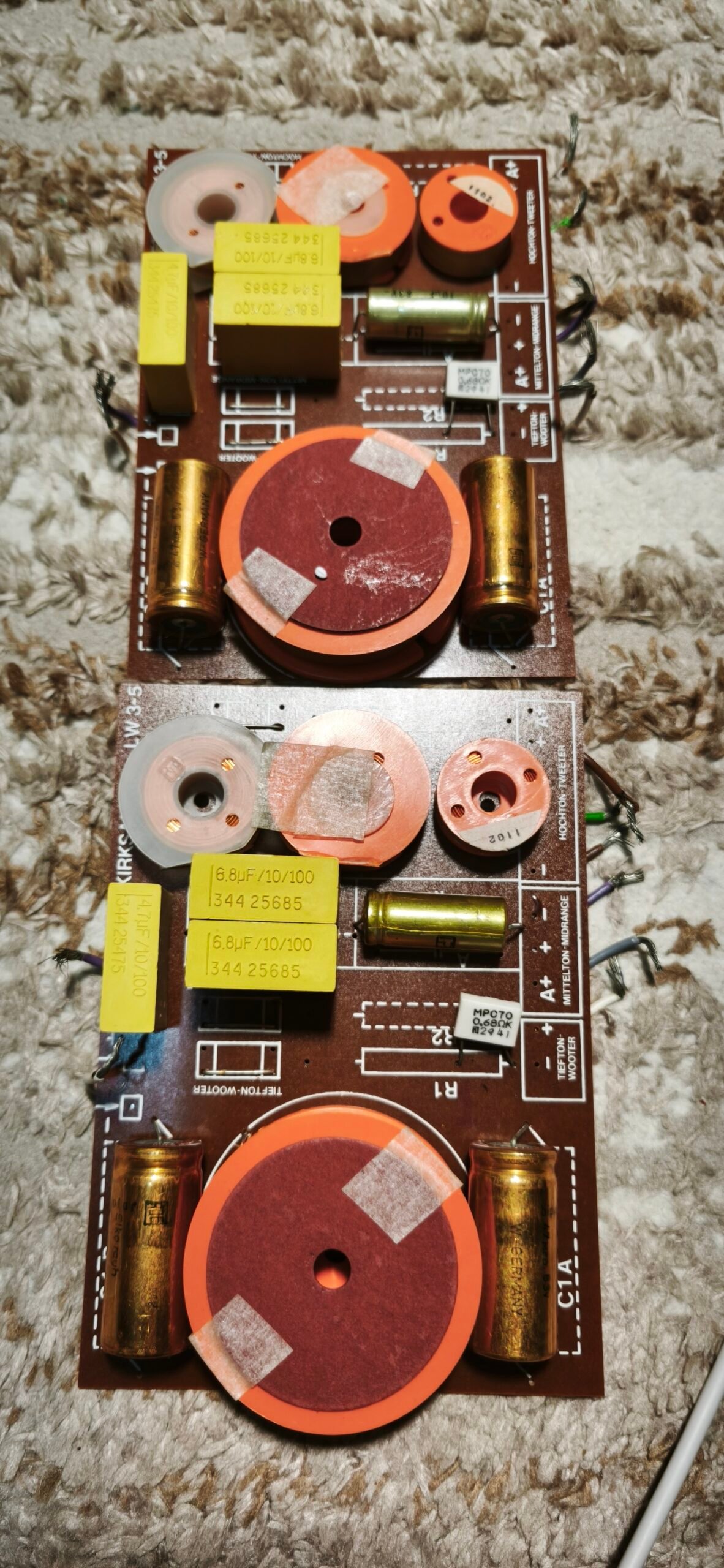
At the heart of every multi-way speaker lies the passive crossover. Its role is to distribute frequencies to the appropriate drivers so that each operates within its optimal range.
In many vintage speakers, these networks were designed with simplicity and robust components. This approach often results in smooth transitions between bass, midrange, and treble, creating a sense of coherence and balance.
Over time, some components may age and benefit from replacement, but the original design remains durable and serviceable.
A well-designed crossover is never heard directly — it simply allows the music to flow naturally.
A listening philosophy shaped by the analog era
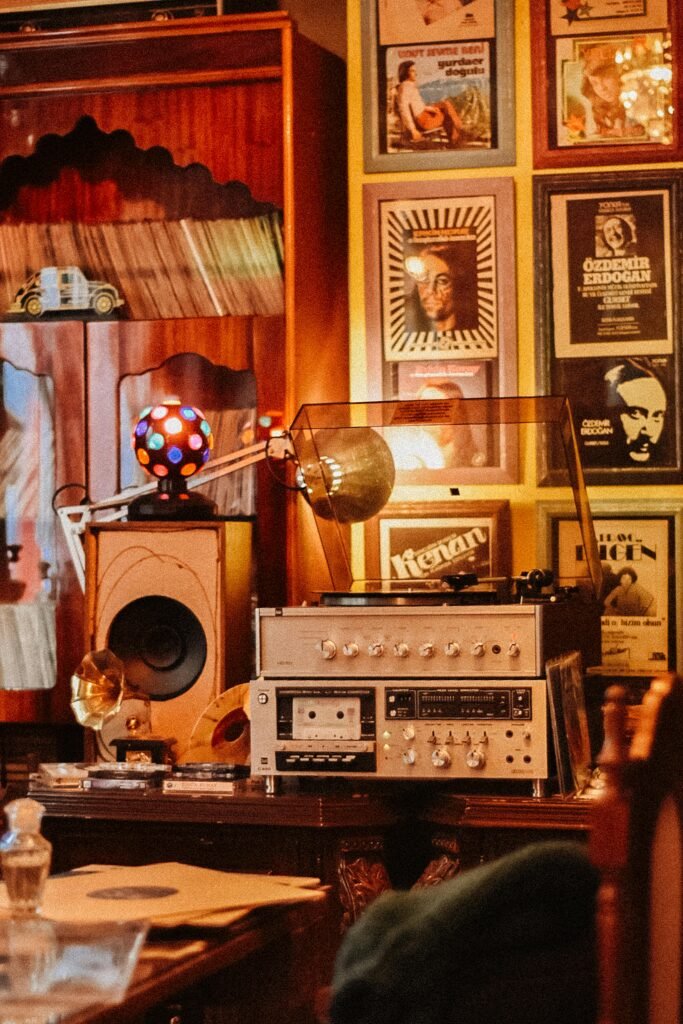
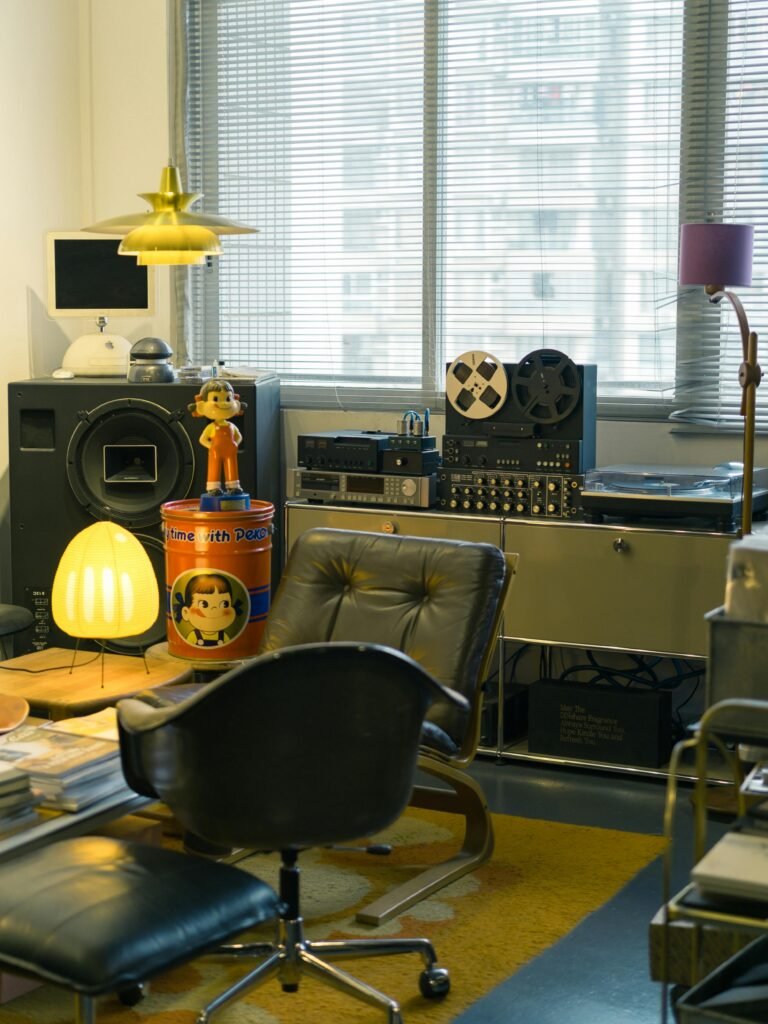
Vintage hi-fi systems were created during the age of vinyl records, analog tape, and broadcast radio. These sources offered musical richness but also imperfections, encouraging speaker designs that favored warmth, tolerance, and long listening comfort.
Even today, this approach feels natural and inviting.
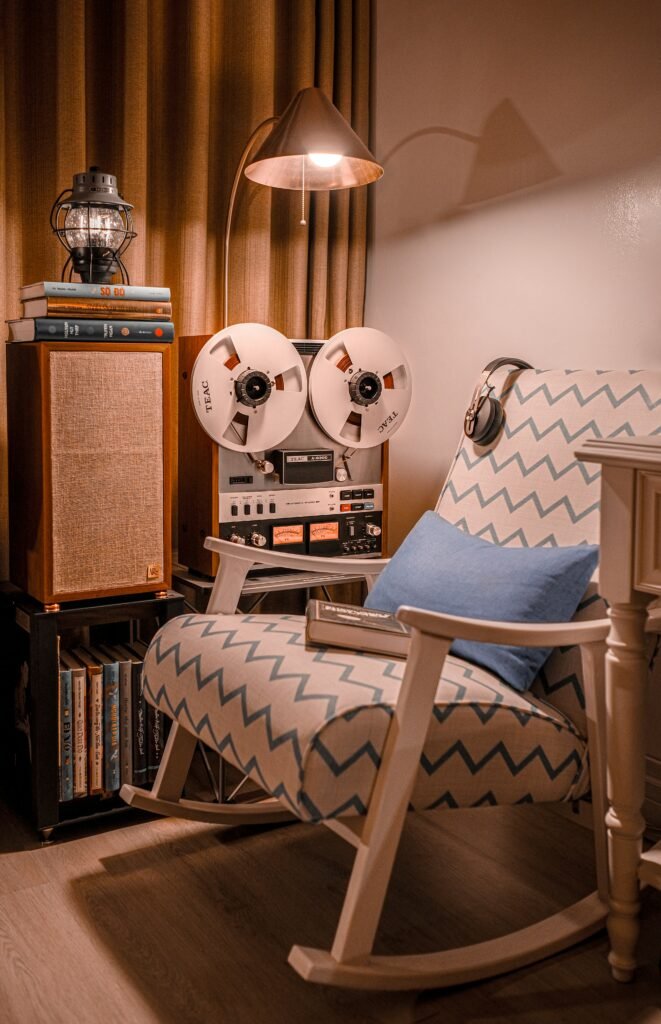
How to recognize a good vintage speaker without listening
In many second-hand markets or flea markets, you don’t always get the chance to test speakers before buying them. Sometimes the seller is in a hurry, the environment is noisy, or there’s simply no amplifier available.
Over time, you learn that a quick look — and even a quick touch — can reveal a lot.
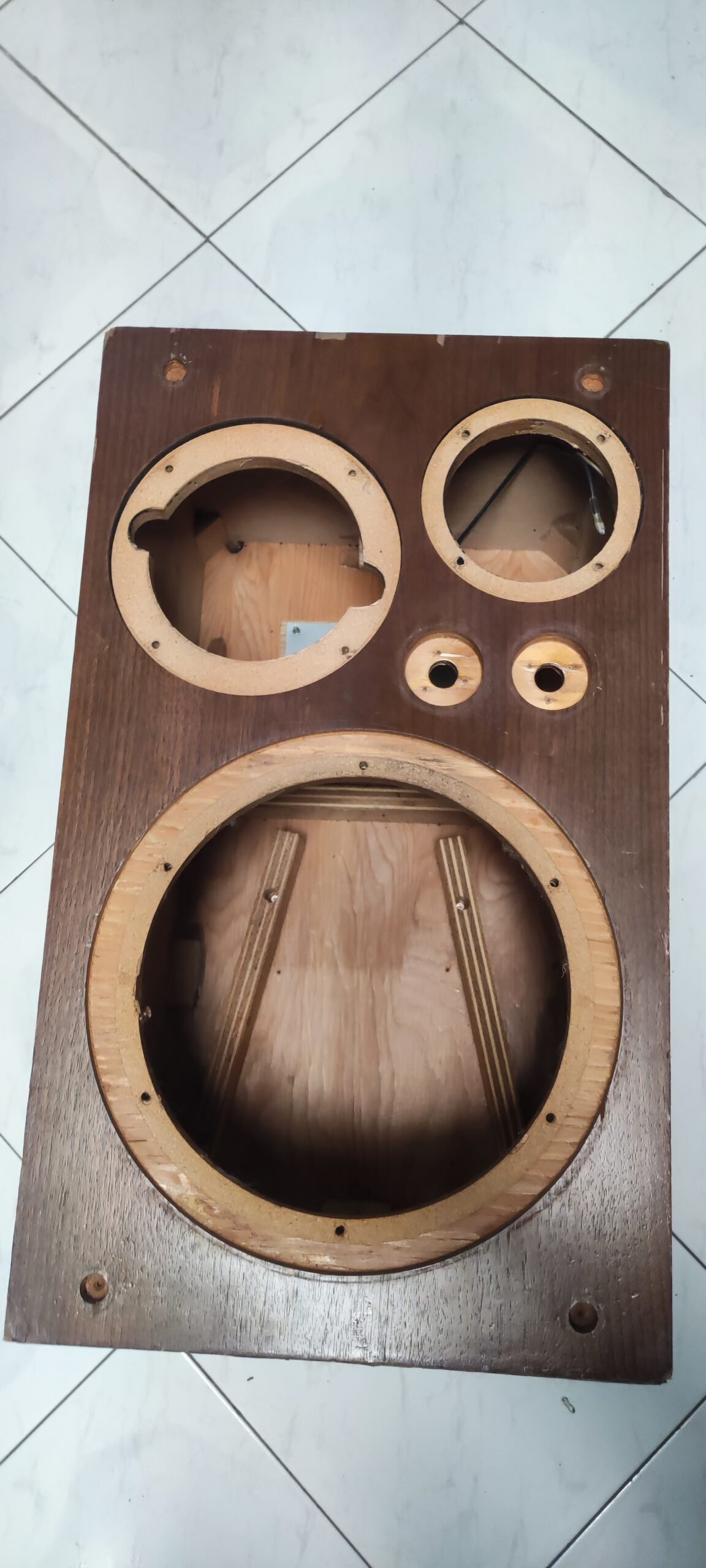
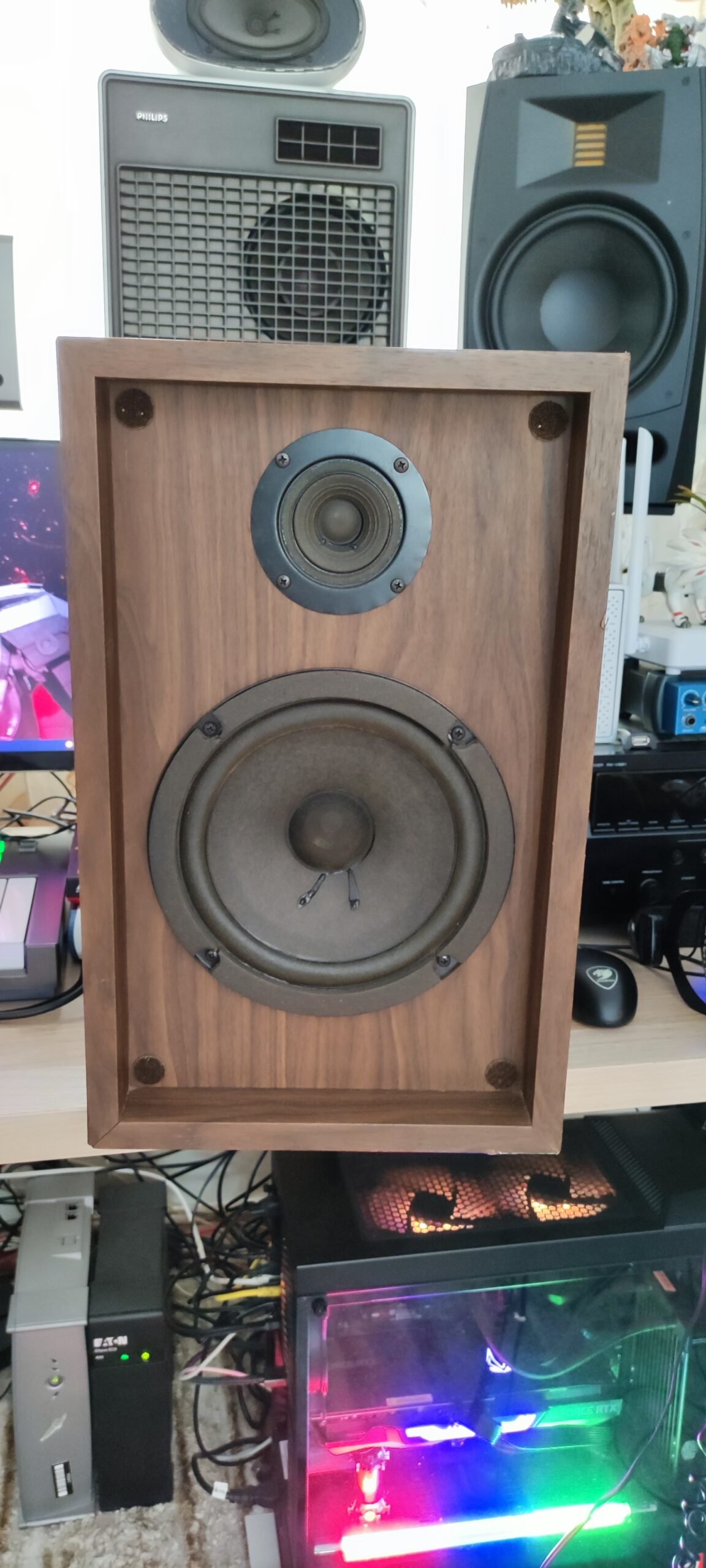
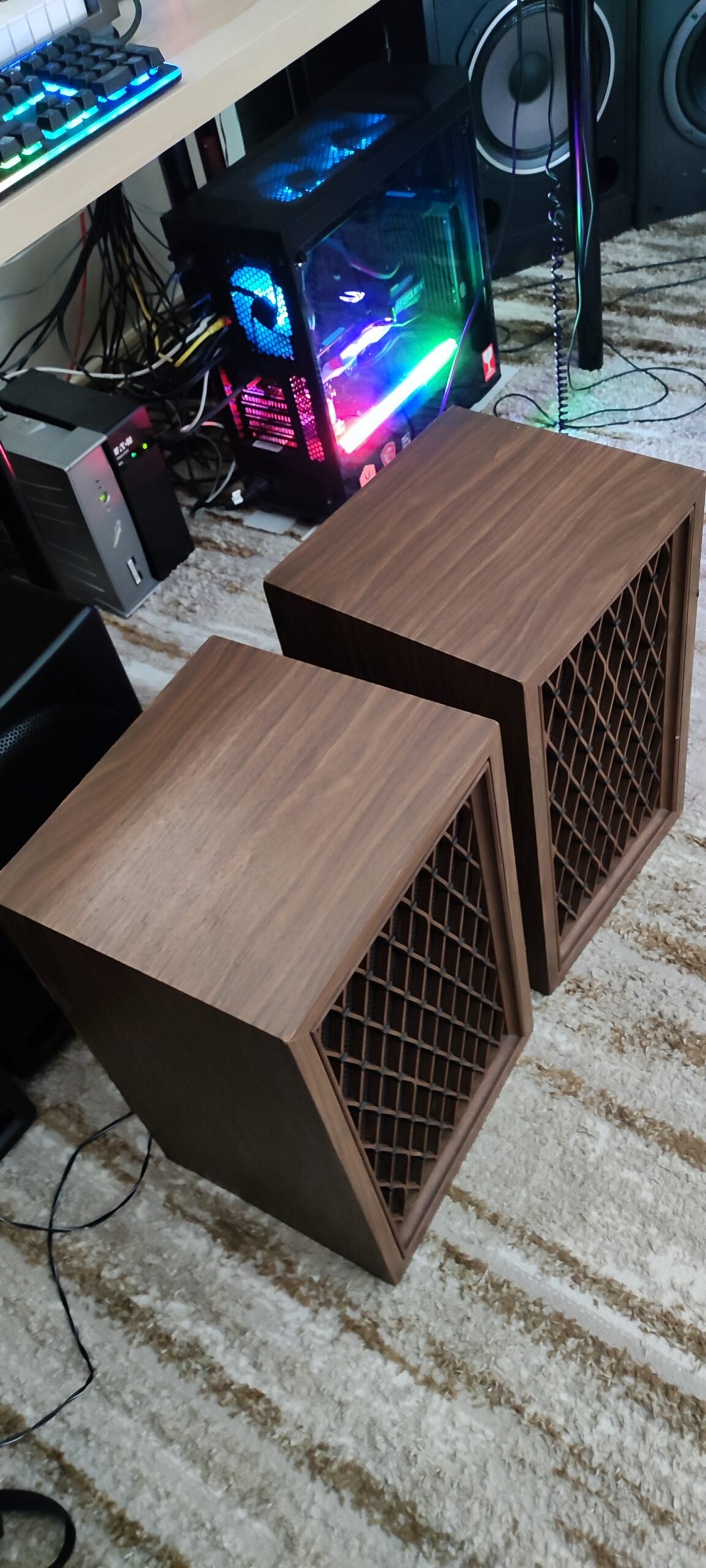
One of the first things to notice is the cabinet itself. A well-built vintage speaker usually feels dense and solid when you lift it. The wood is thick, the structure rigid, and nothing rattles when you gently tap the sides. That weight is not accidental — it helps control vibrations and gives the bass a more stable foundation.
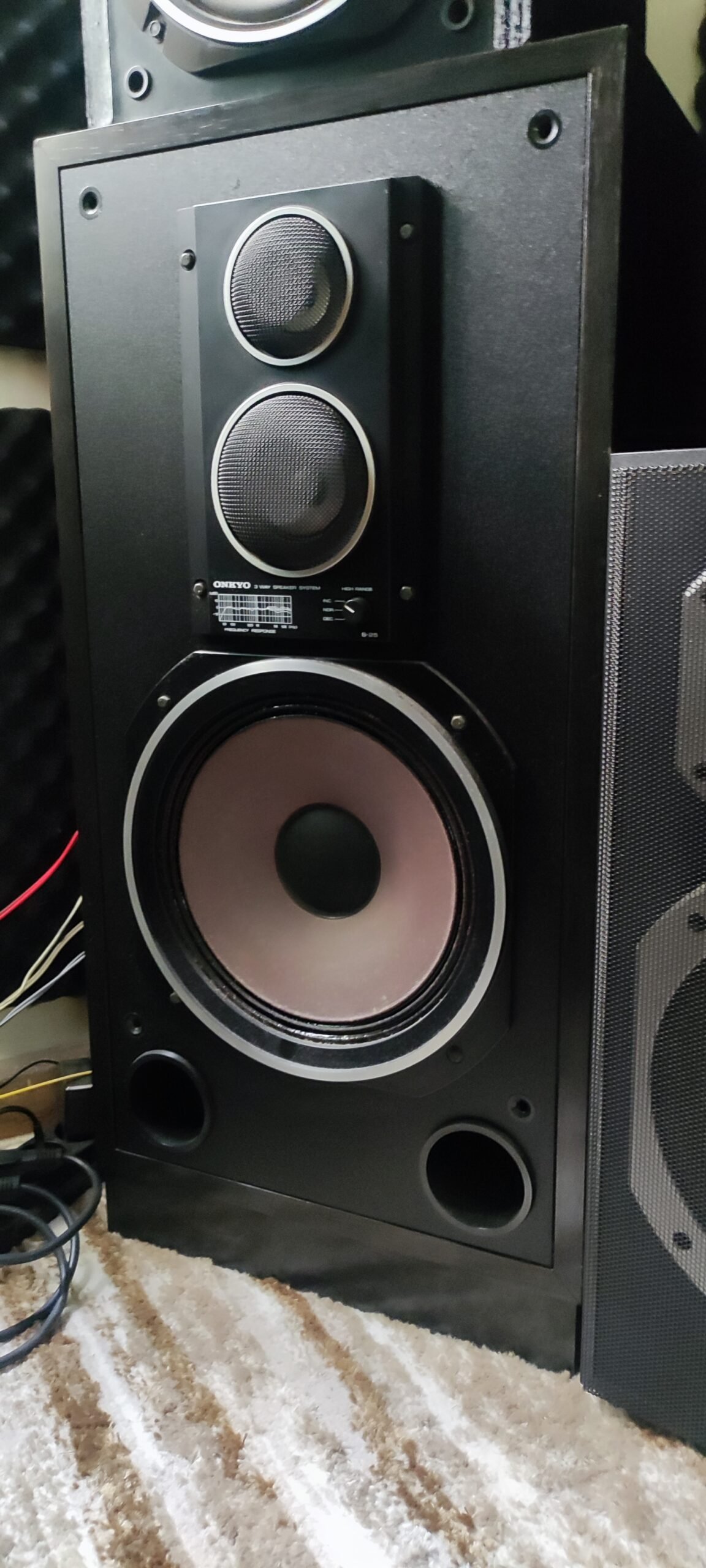
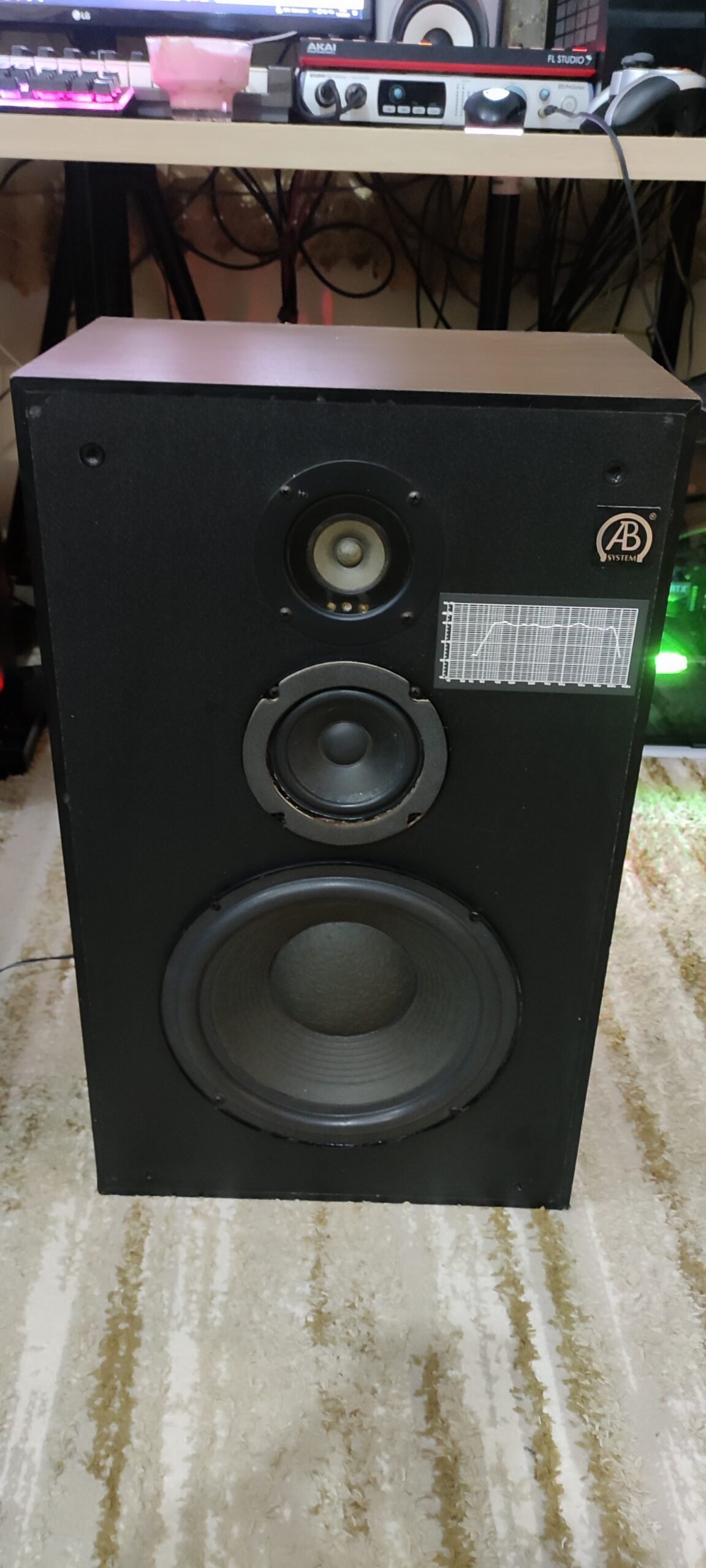
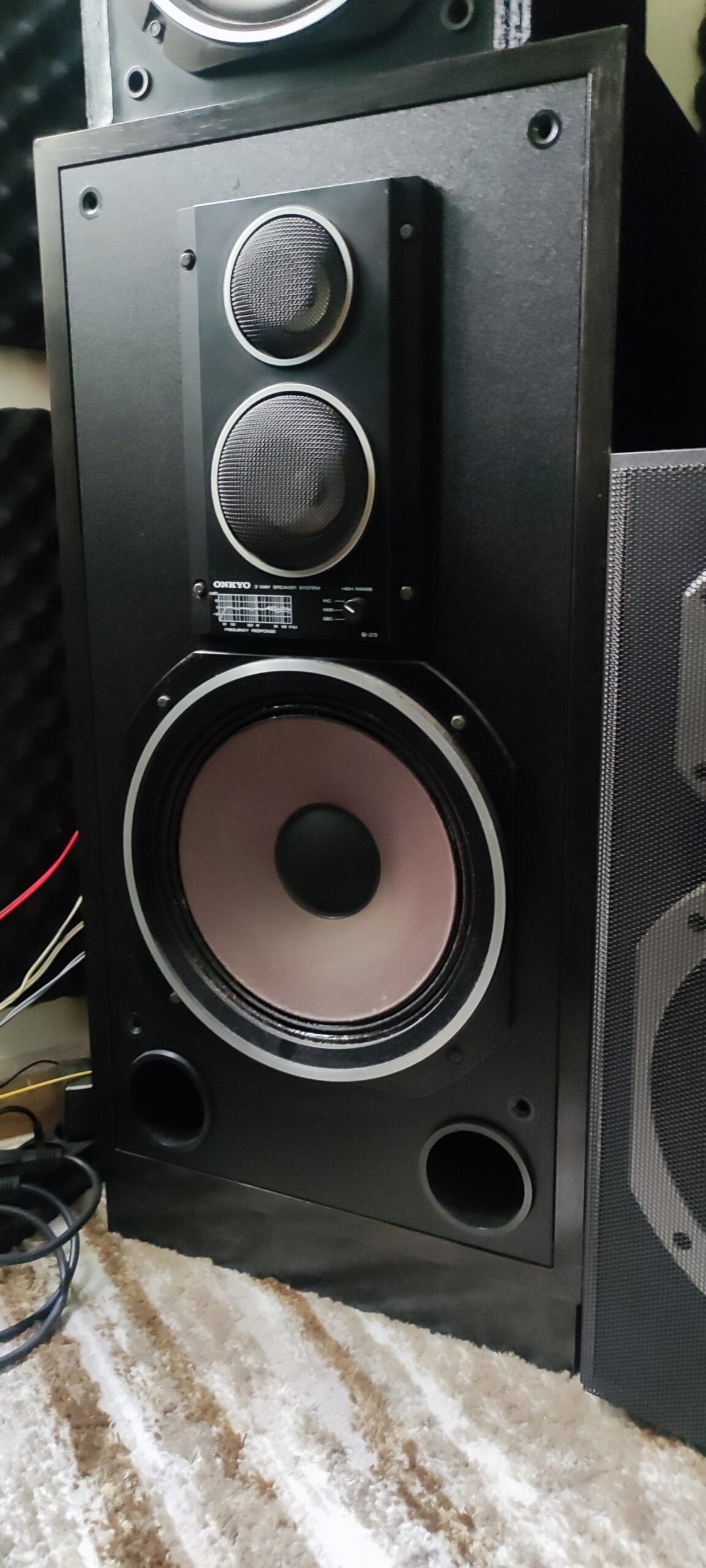
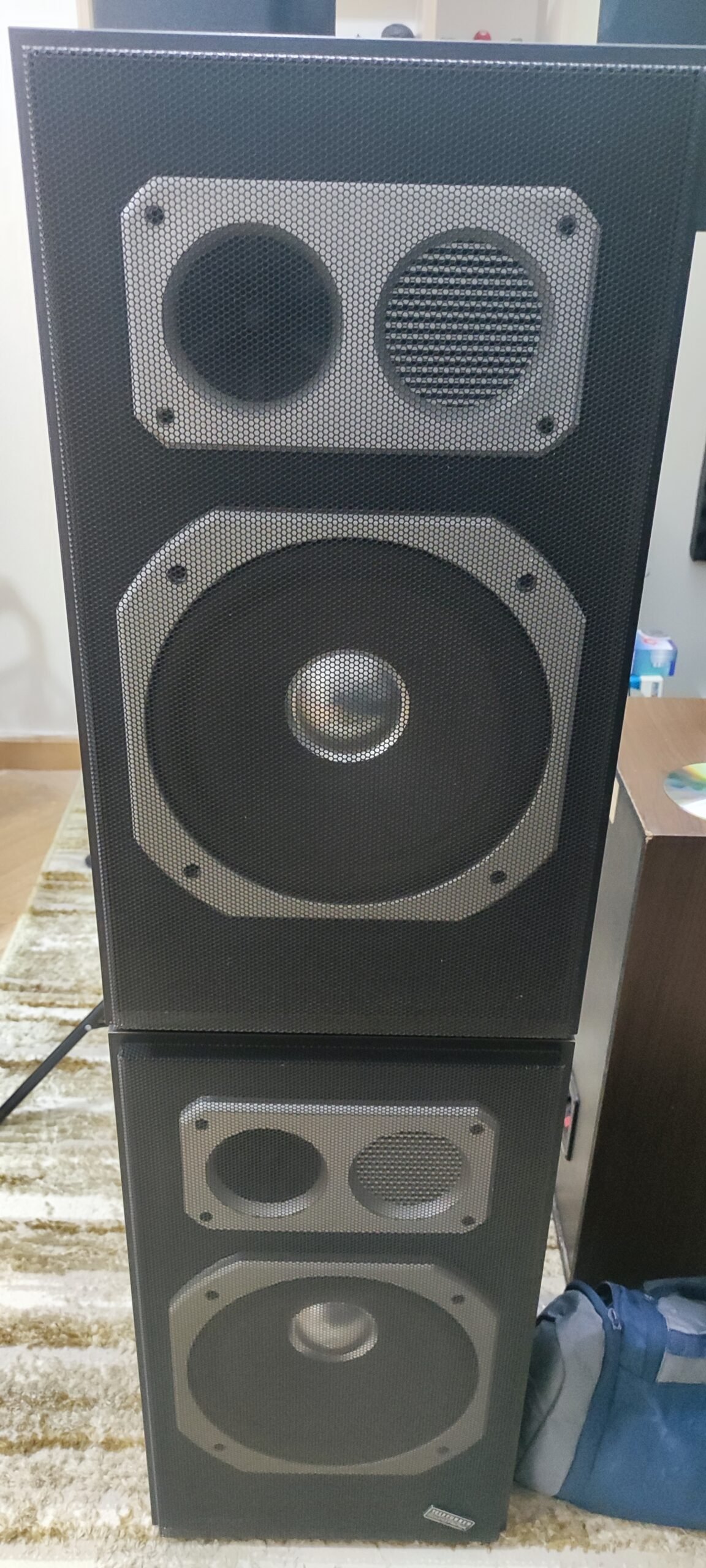
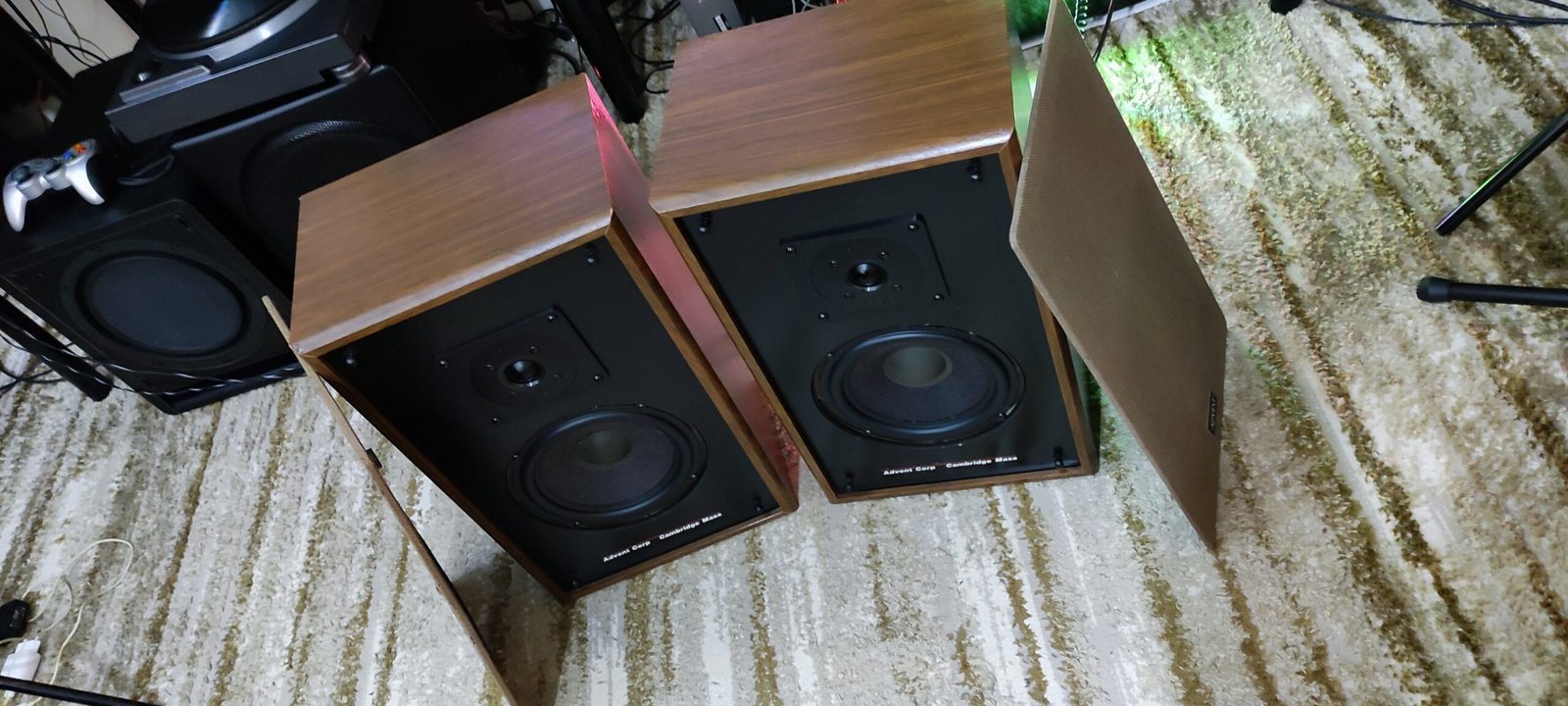
Then look at the front of the speaker. Serious designs often include a properly sized woofer and, in many cases, a dedicated midrange driver instead of relying on a single small driver to do everything. The layout should look balanced and intentional rather than cramped or improvised.
The condition of the woofer can tell you a lot about how the speaker has aged. If the cone is intact and the surround is not cracked or crumbling, that’s a good sign. Cloth surrounds often age better, while foam surrounds may need replacement — which isn’t a deal breaker, but something to consider.
Pay attention to the tweeter and midrange as well. Older hi-fi speakers often used textile domes, paper cones, or horn designs. When these parts look carefully mounted and well finished — not thin or cheaply molded — it usually reflects a more serious design approach.
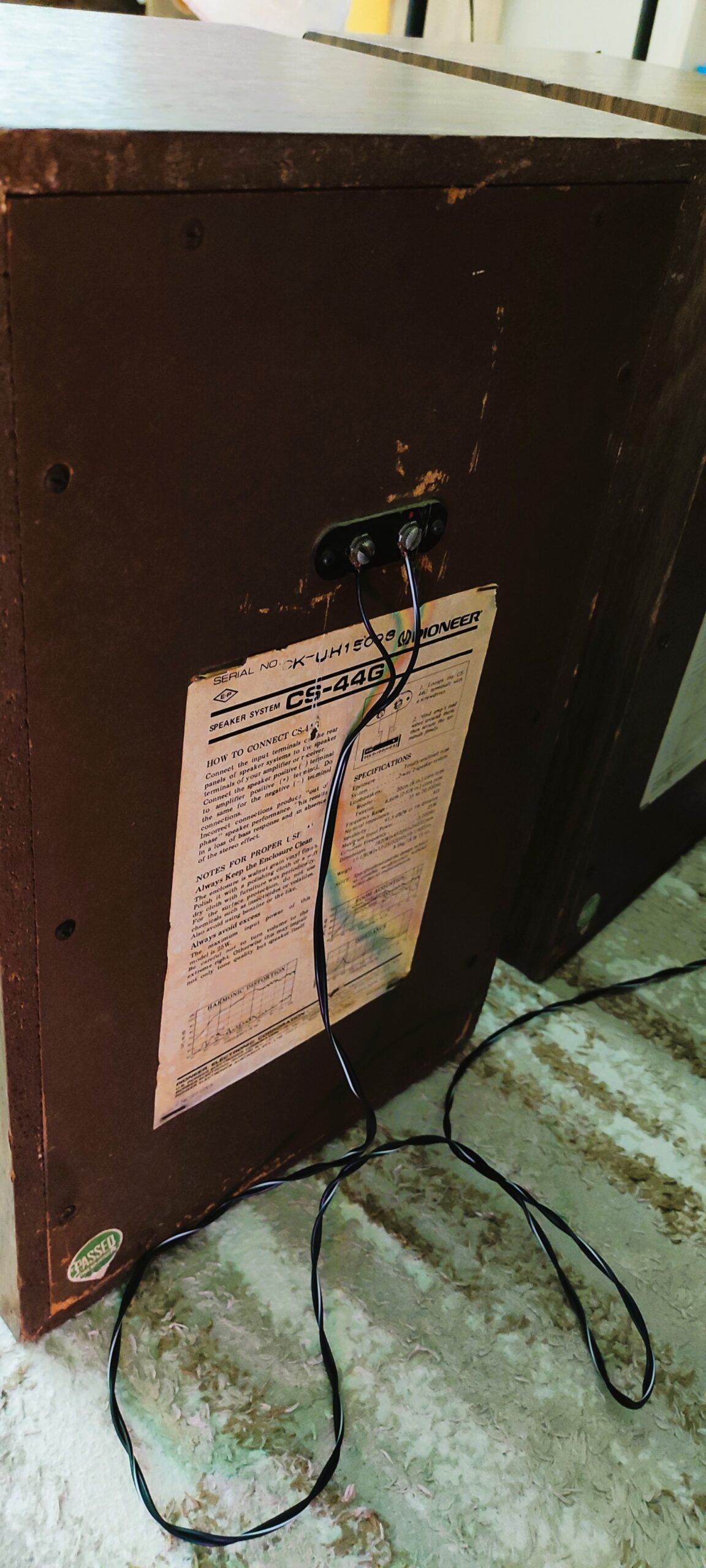
The back panel can also offer clues. Solid terminals and clear markings often suggest attention to detail. Small details like these may seem minor, but together they reveal the overall care put into the speaker.
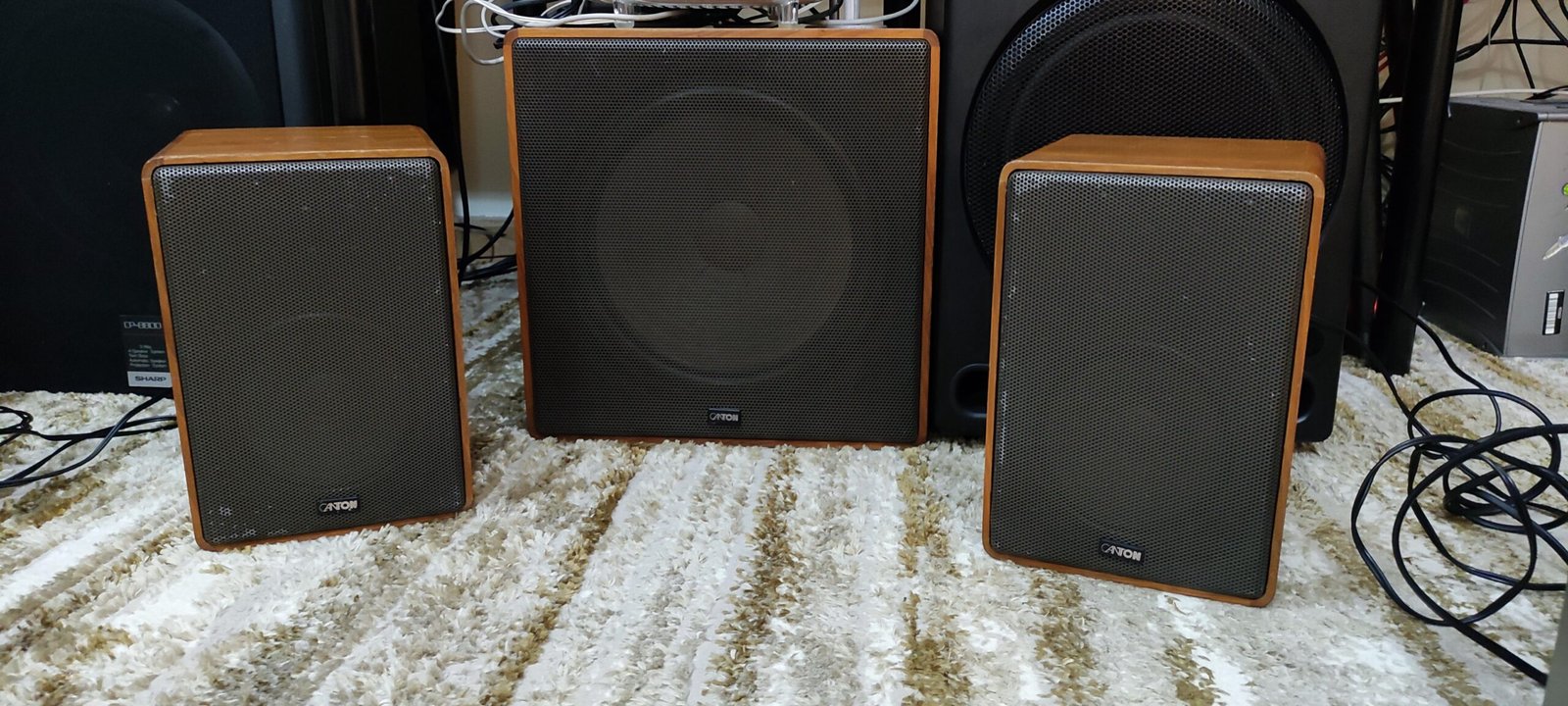
Brand reputation can help, but craftsmanship speaks louder. Look at the veneer, the joints, the grille, the symmetry. When everything feels thoughtfully made, it usually is.
Of course, a visual inspection cannot replace listening. But with a little experience, you begin to recognize when a speaker was built with care — and in the vintage world, that is often the first sign of good sound.
Vintage and modern speakers: different intentions
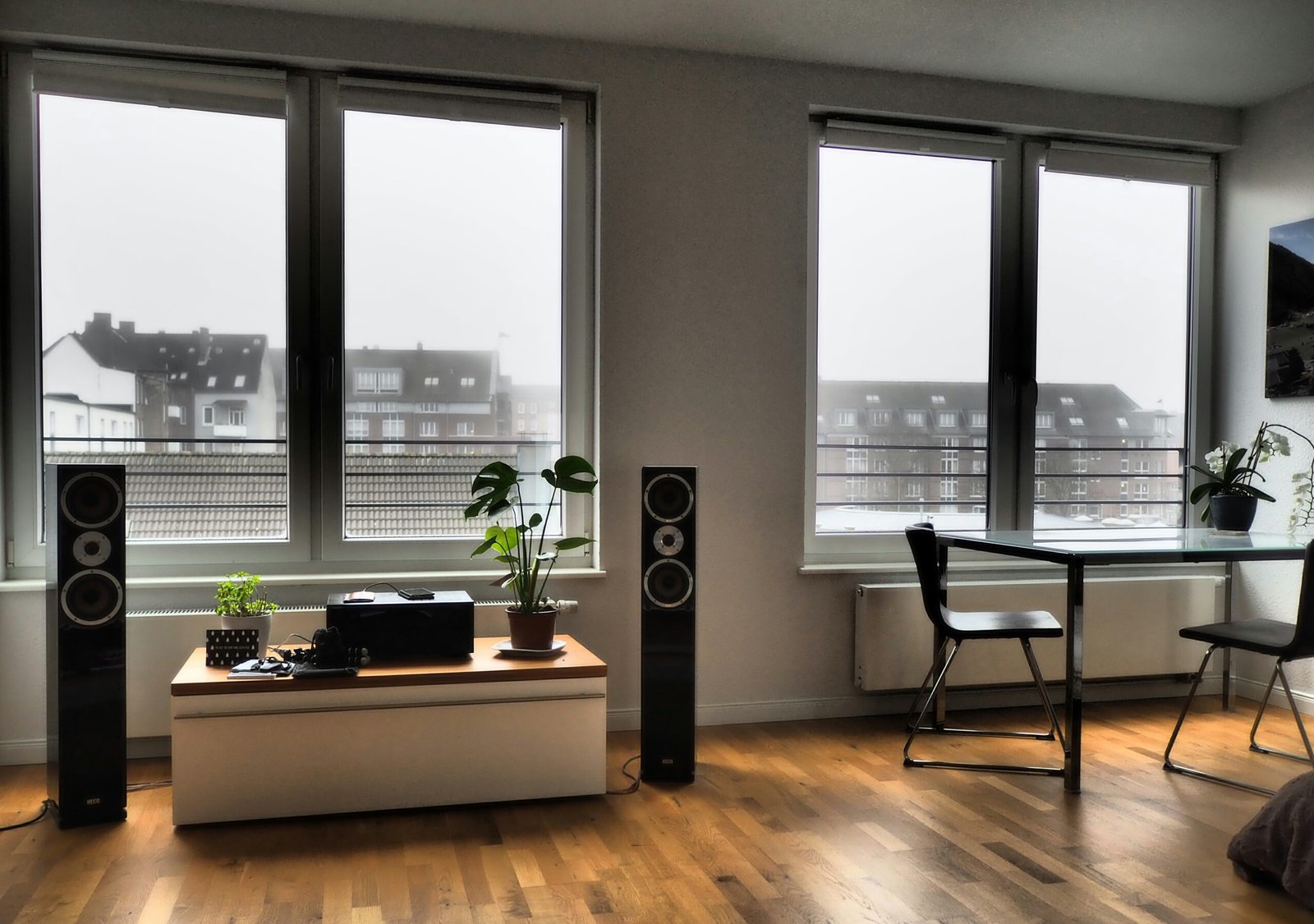
Modern speakers often prioritize precision, measurement accuracy, and analytical detail.
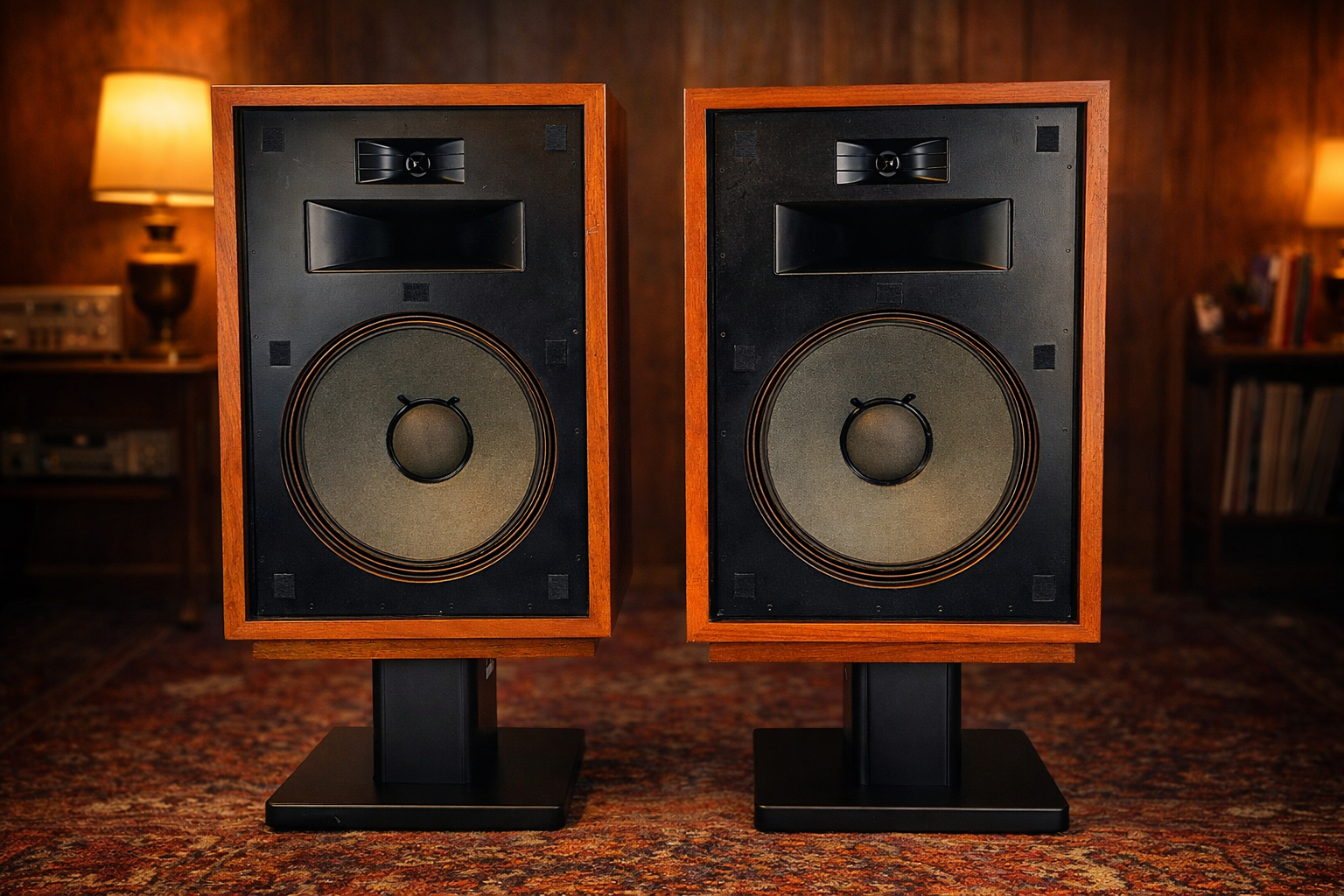
Vintage speakers tend to emphasize musicality, warmth, and listening comfort.
Neither approach is inherently superior. They simply reflect different ways of experiencing music.
Why vintage speakers still matter today
The continued appreciation of vintage speakers is not rooted in nostalgia alone. It reflects respect for durability, craftsmanship, and a sound philosophy centered on emotional connection rather than technical perfection.
When a speaker built more than half a century ago can still bring music to life, it reminds us that great sound is not defined by technology alone.
It is defined by how long we want to keep listening.