
Introduction
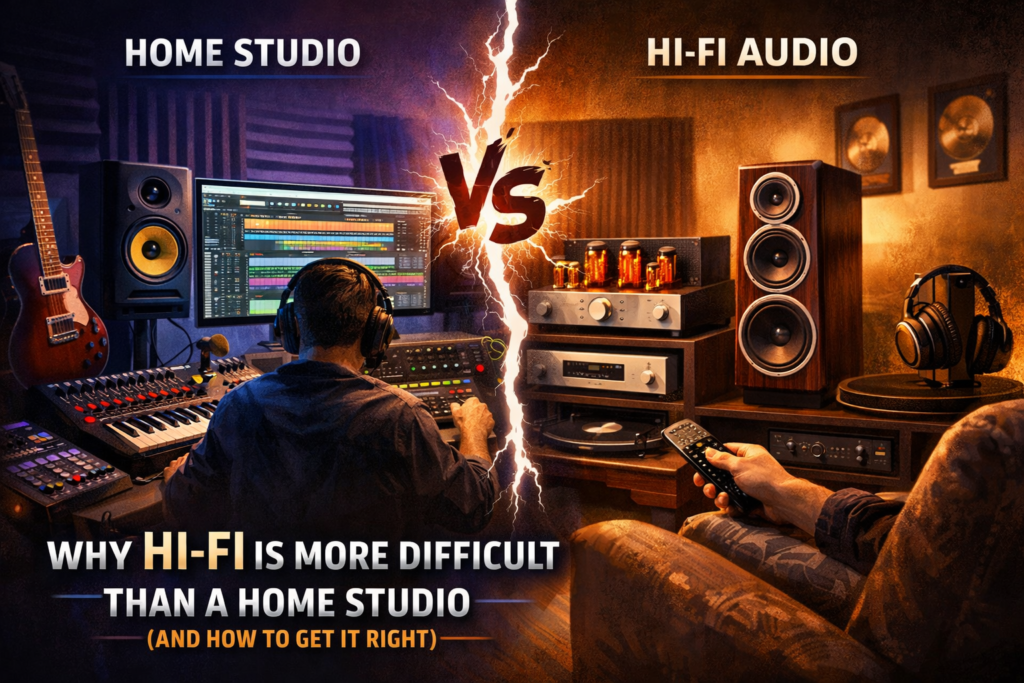
Hi-Fi listening is often misunderstood. Many people assume that buying high-end speakers and a powerful amplifier is enough to achieve great sound. In reality, Hi-Fi is much more complex than a home studio setup, not because of the equipment itself, but because of the environment in which it is used.
Unlike a home studio, a Hi-Fi system is rarely installed in a dedicated room. It usually lives in a living room or a bedroom, surrounded by furniture, daily life constraints, and aesthetic considerations. This makes achieving balanced and natural sound far more challenging.
Home Studio vs Hi-Fi: Two Very Different Worlds
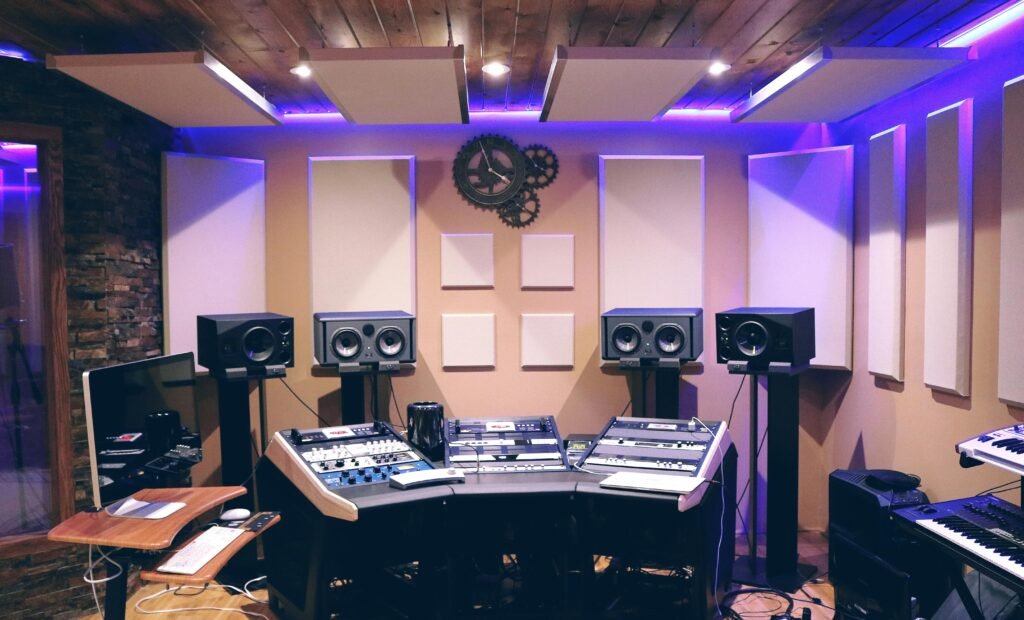
In a home studio, monitoring speakers are designed to be neutral and predictable. If they are placed correctly and combined with basic acoustic treatment, the results are usually consistent. The room can be optimized specifically for sound, and compromises are limited.
Hi-Fi systems, on the other hand, must adapt to existing spaces. Living rooms and bedrooms are not designed for critical listening. Furniture placement, room shape, reflective surfaces, and shared usage all influence the final sound. In Hi-Fi, you are not controlling the room — you are negotiating with it.

The Room Always Comes First in Hi-Fi
One of the biggest mistakes in Hi-Fi is choosing equipment before understanding the room. The size, shape, and acoustic behavior of the space determine what kind of system will work best.
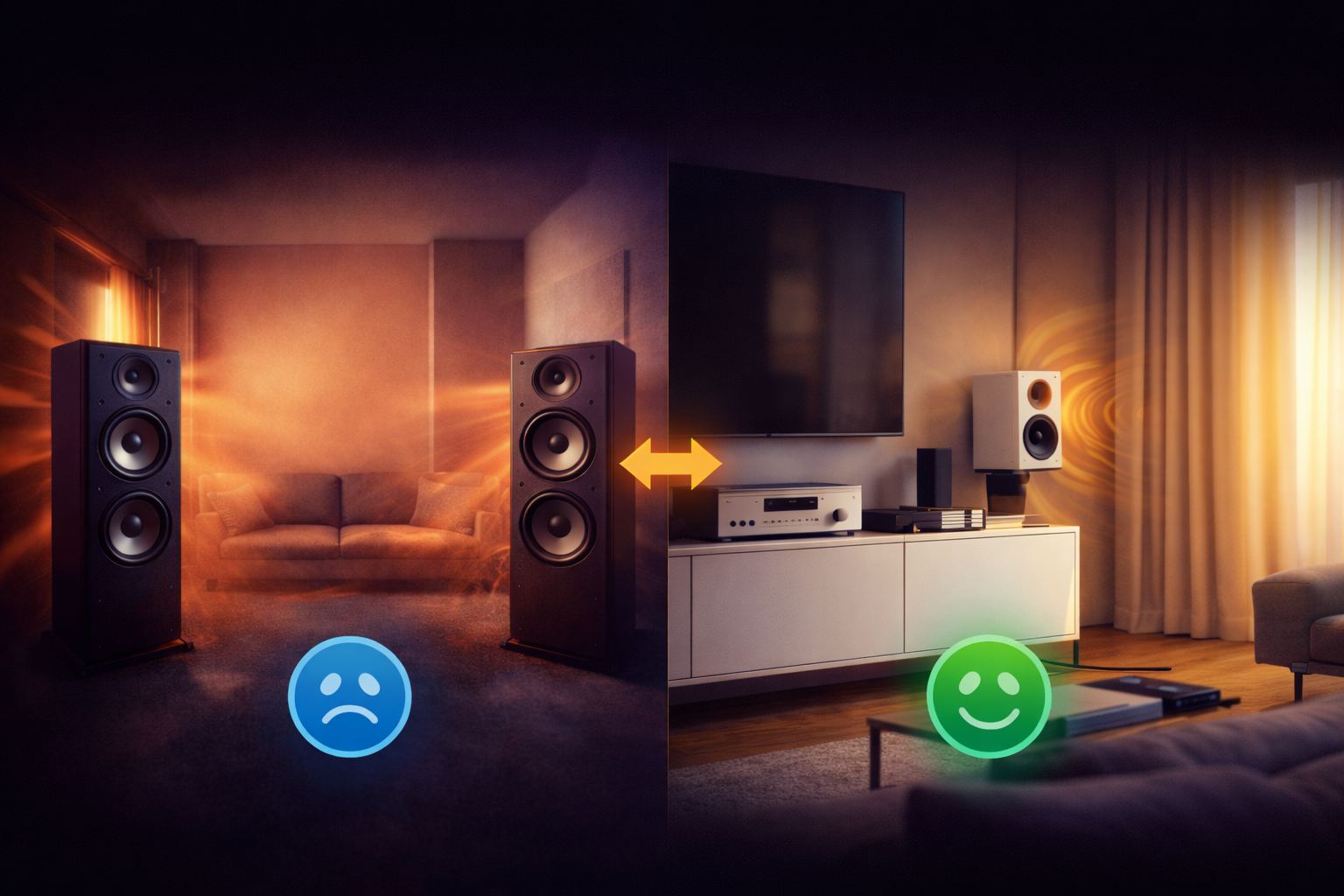
A small room combined with large speakers often leads to overwhelming bass and poor clarity. A very reflective room paired with bright speakers can result in harsh and fatiguing sound. The room sets the limits, and ignoring those limits almost always leads to disappointment.
In Hi-Fi, the goal is not to fill the room with sound, but to achieve balance and coherence within it.
Living Rooms and Bedrooms: Real-World Constraints
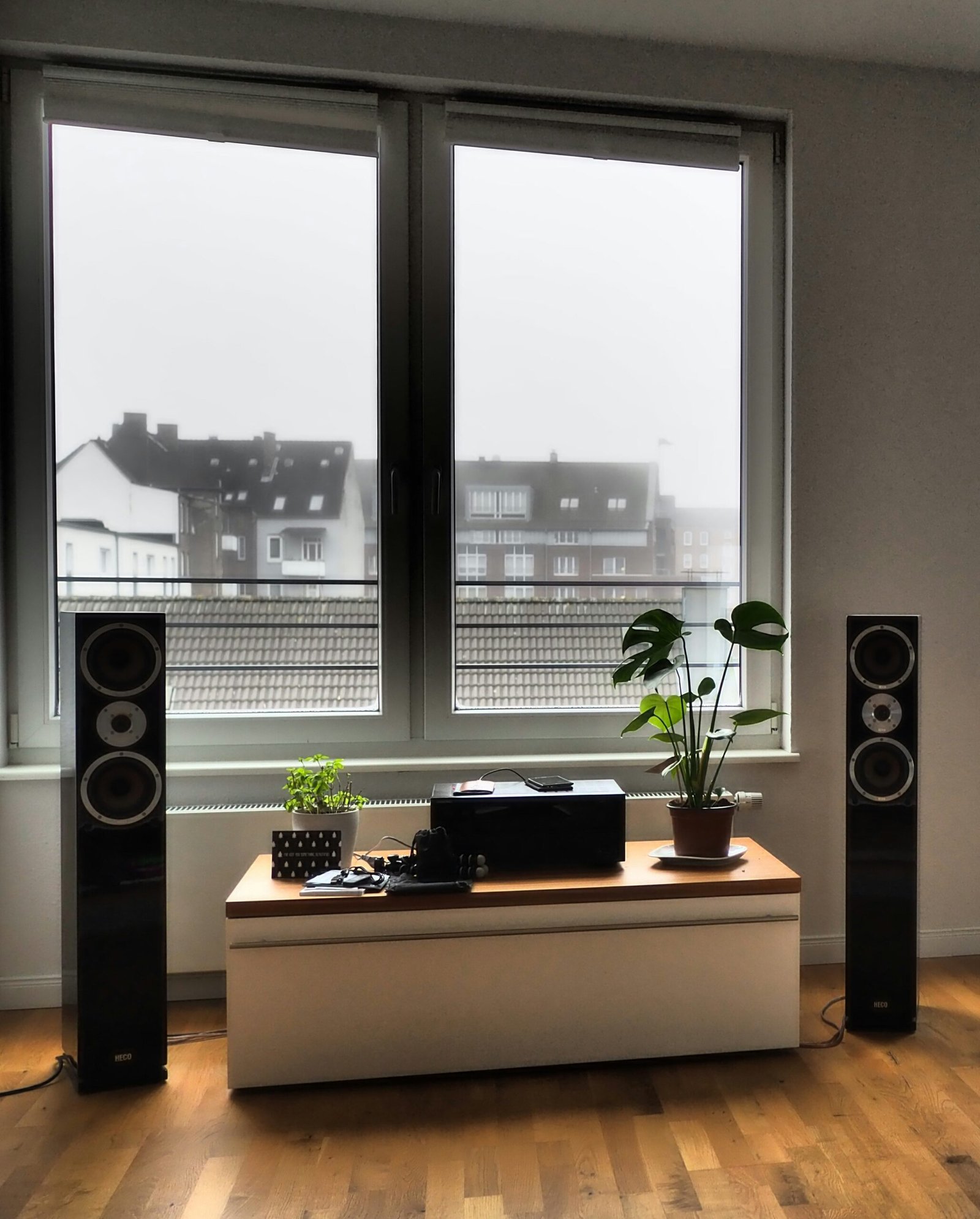
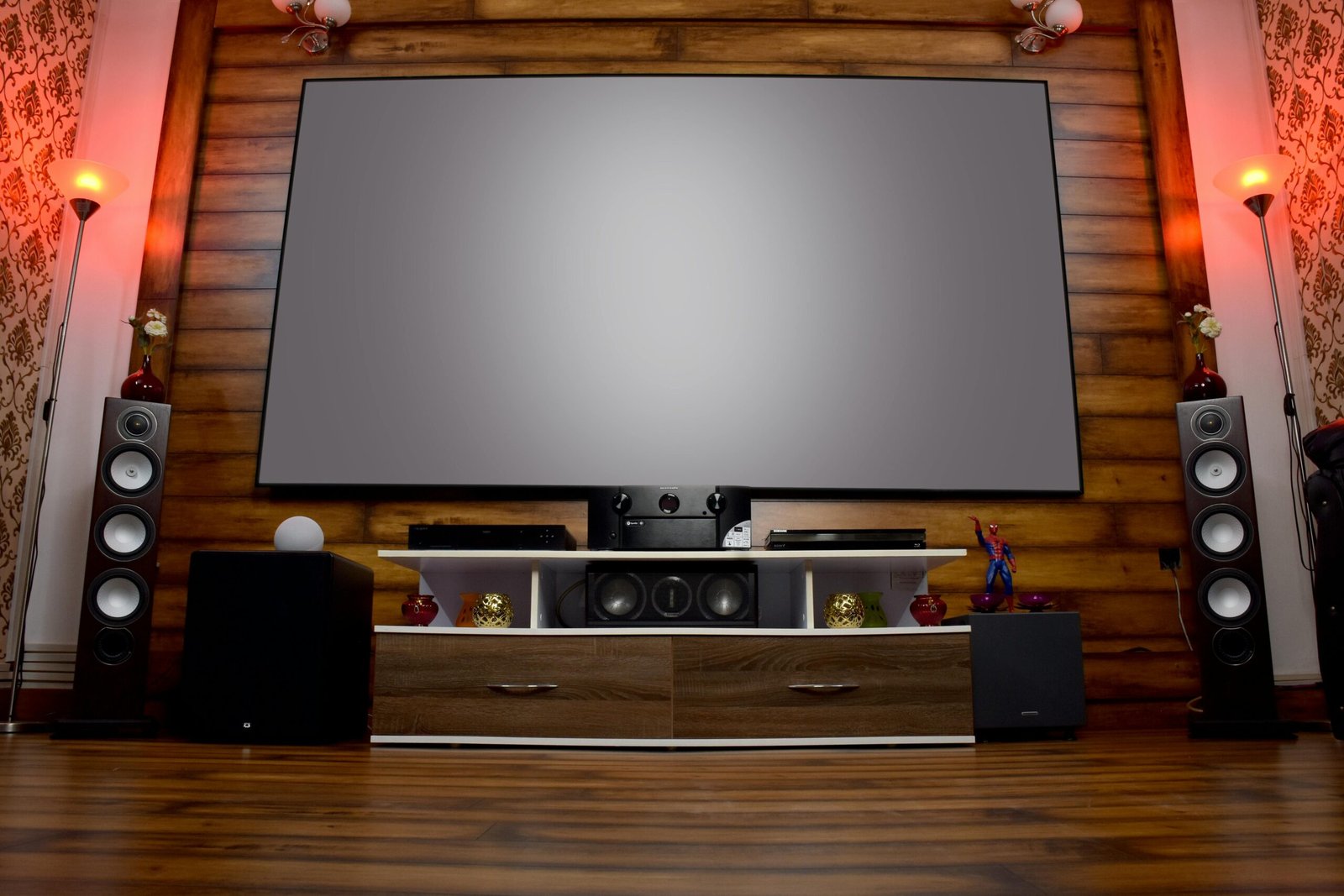
Hi-Fi systems must coexist with everyday life. Sofas, tables, TVs, carpets, windows, and curtains all influence sound in different ways. Unlike a studio, these elements cannot simply be removed or repositioned freely.
This is where many enthusiasts struggle. The ideal placement of speakers may conflict with furniture layout or visual symmetry. In Hi-Fi, compromises are inevitable, but intelligent compromises make the difference between acceptable sound and enjoyable listening.
Understanding how furniture absorbs, reflects, or diffuses sound helps turn limitations into advantages.



Choosing the Right Speaker Size for the Space
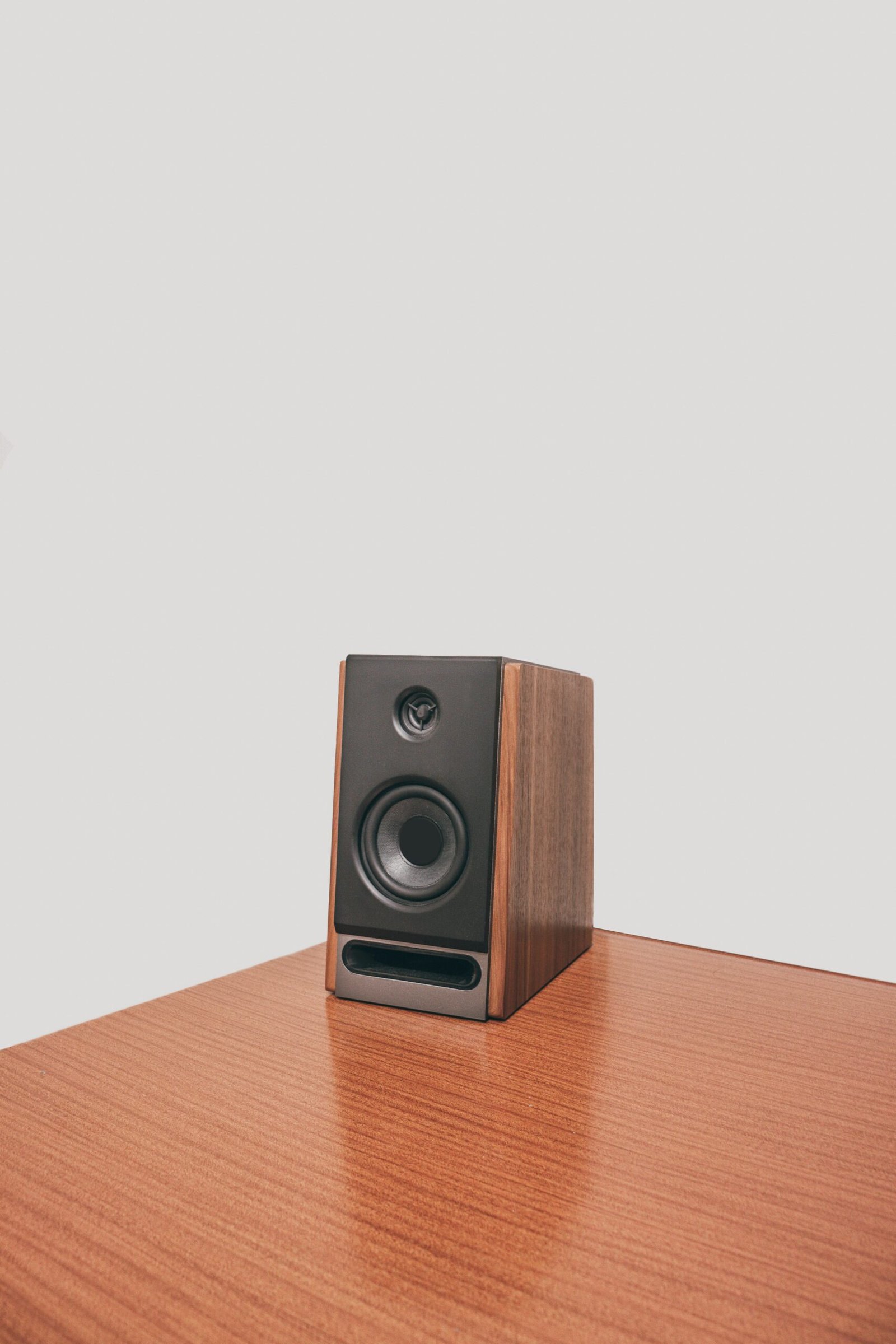
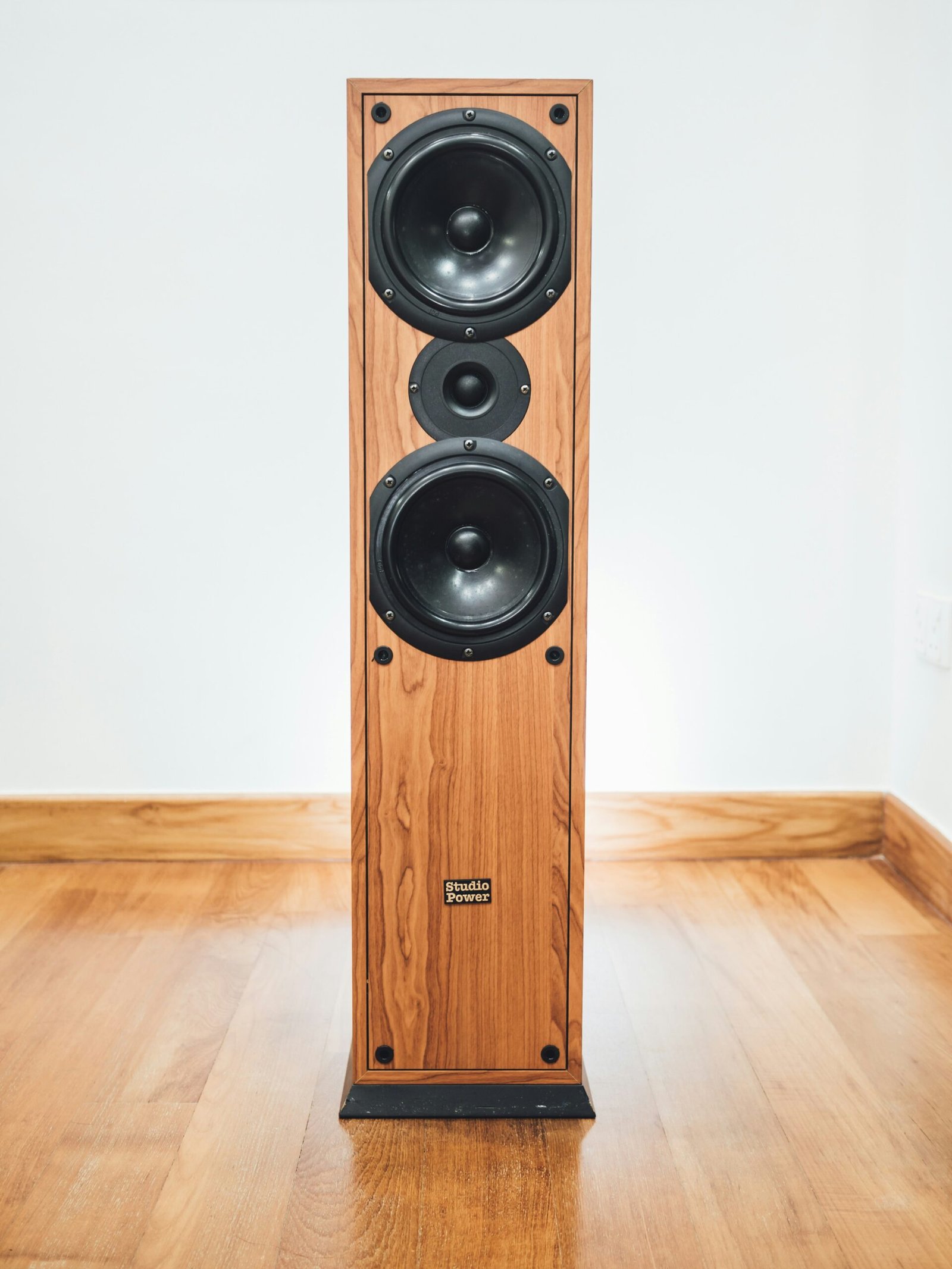
One of the most common Hi-Fi errors is choosing speakers that are too large for the room. Bigger speakers do not automatically mean better sound. In small or medium spaces, oversized speakers can overpower the room, causing uncontrolled bass and masking detail.
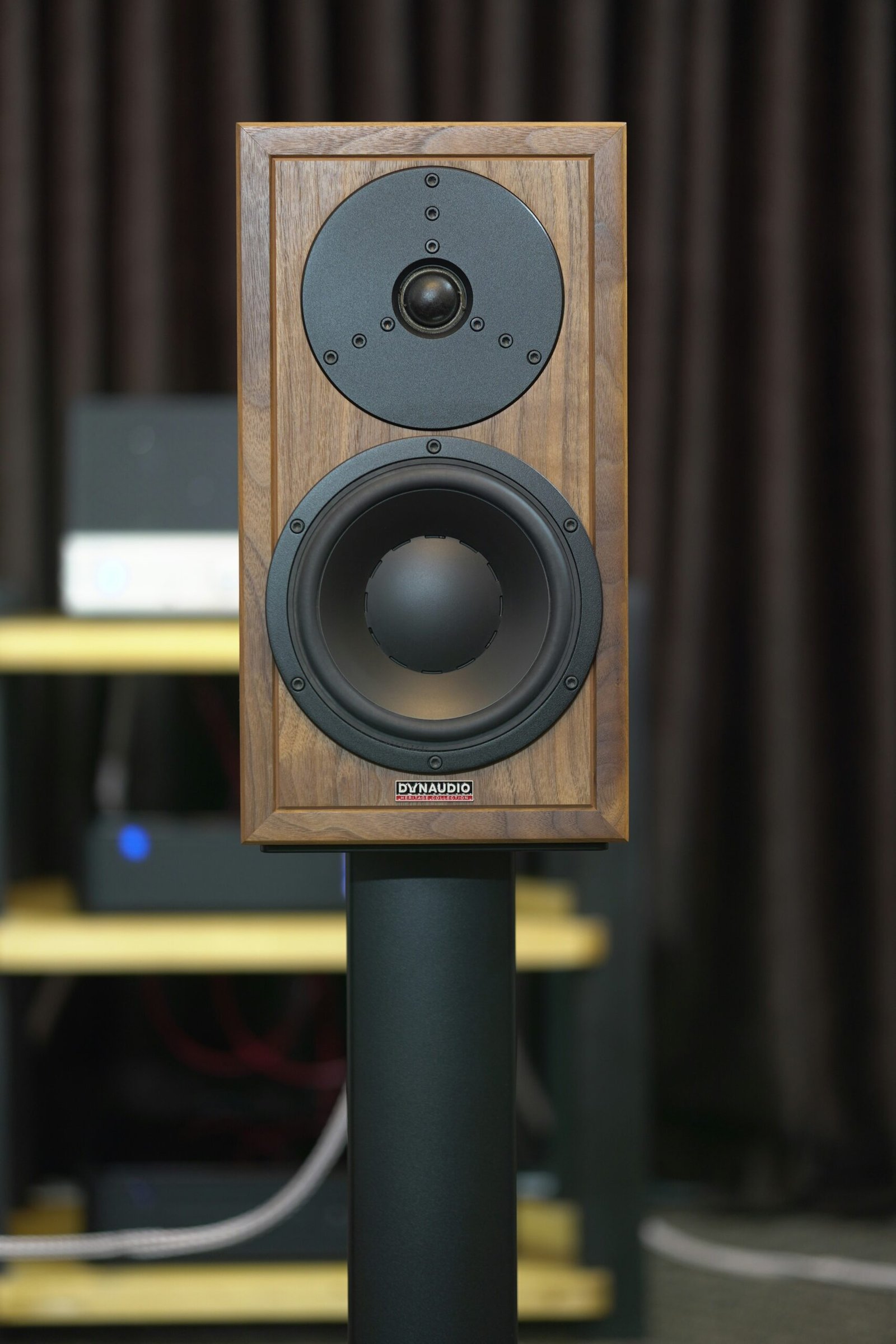
In many cases, smaller speakers placed correctly provide better clarity, balance, and long-term listening comfort. Hi-Fi is not about impressive volume — it is about control, coherence, and musicality.
Placement Matters More Than Specifications
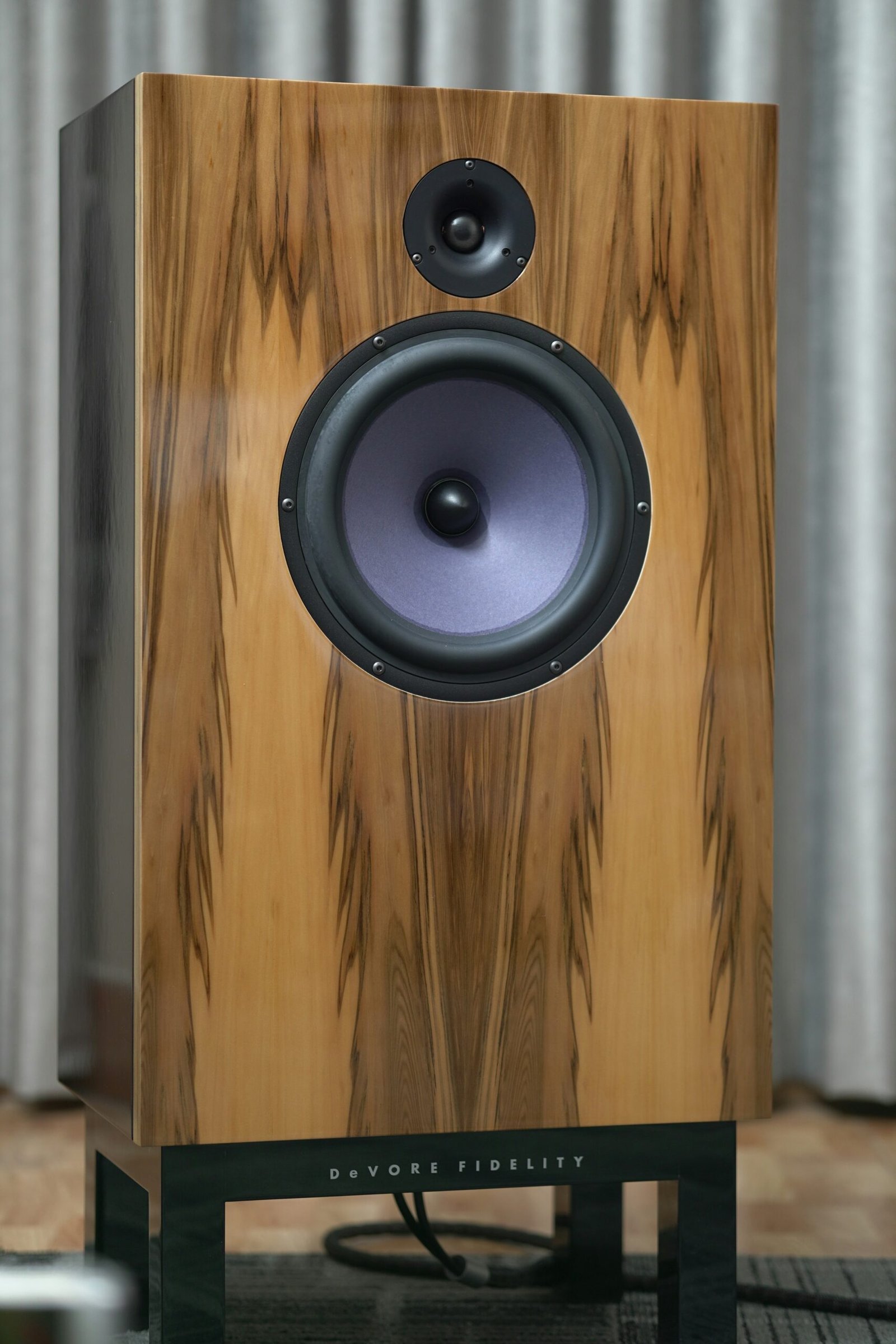
Technical specifications often distract from what truly matters in Hi-Fi. Speaker placement, listening distance, and symmetry have a far greater impact on sound quality than power ratings or frequency numbers.
Placing speakers too close to walls or corners often exaggerates bass frequencies. Unequal distances between speakers and walls create stereo imbalance. A centered listening position and thoughtful placement are essential for a stable and natural soundstage.
In Hi-Fi, good placement can dramatically improve sound even with modest equipment.

The Trap of “Beautiful Sound” Instead of “Good Sound”
Modern Hi-Fi culture often favors sound that impresses at first listen. Boosted bass and bright highs can seem exciting, but they quickly become tiring. A truly good Hi-Fi system should sound natural and comfortable over long listening sessions.
If you feel fatigue after a short time, something is wrong. Hi-Fi is about connection with music, not sonic fireworks.
Copying Setups Without Understanding
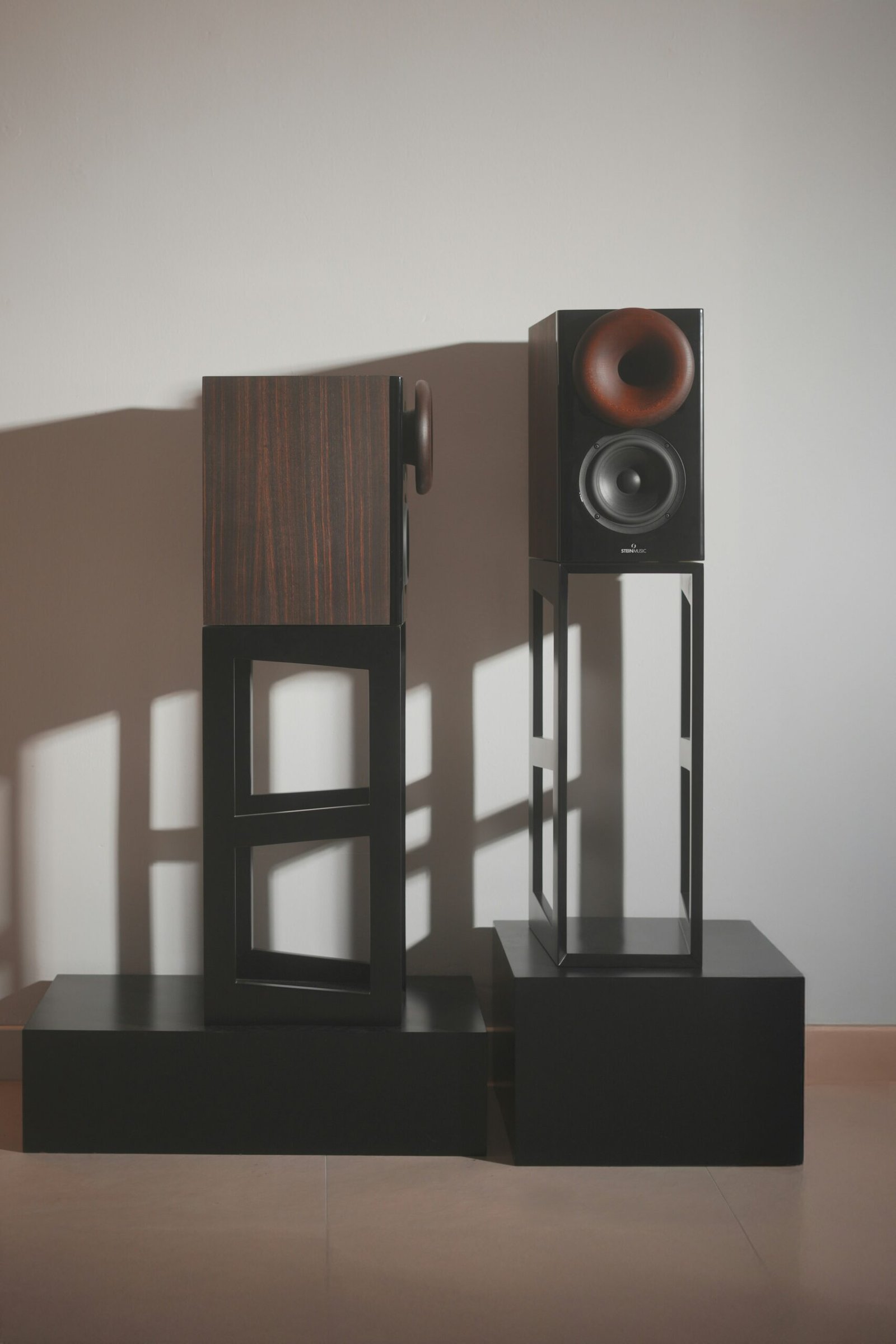
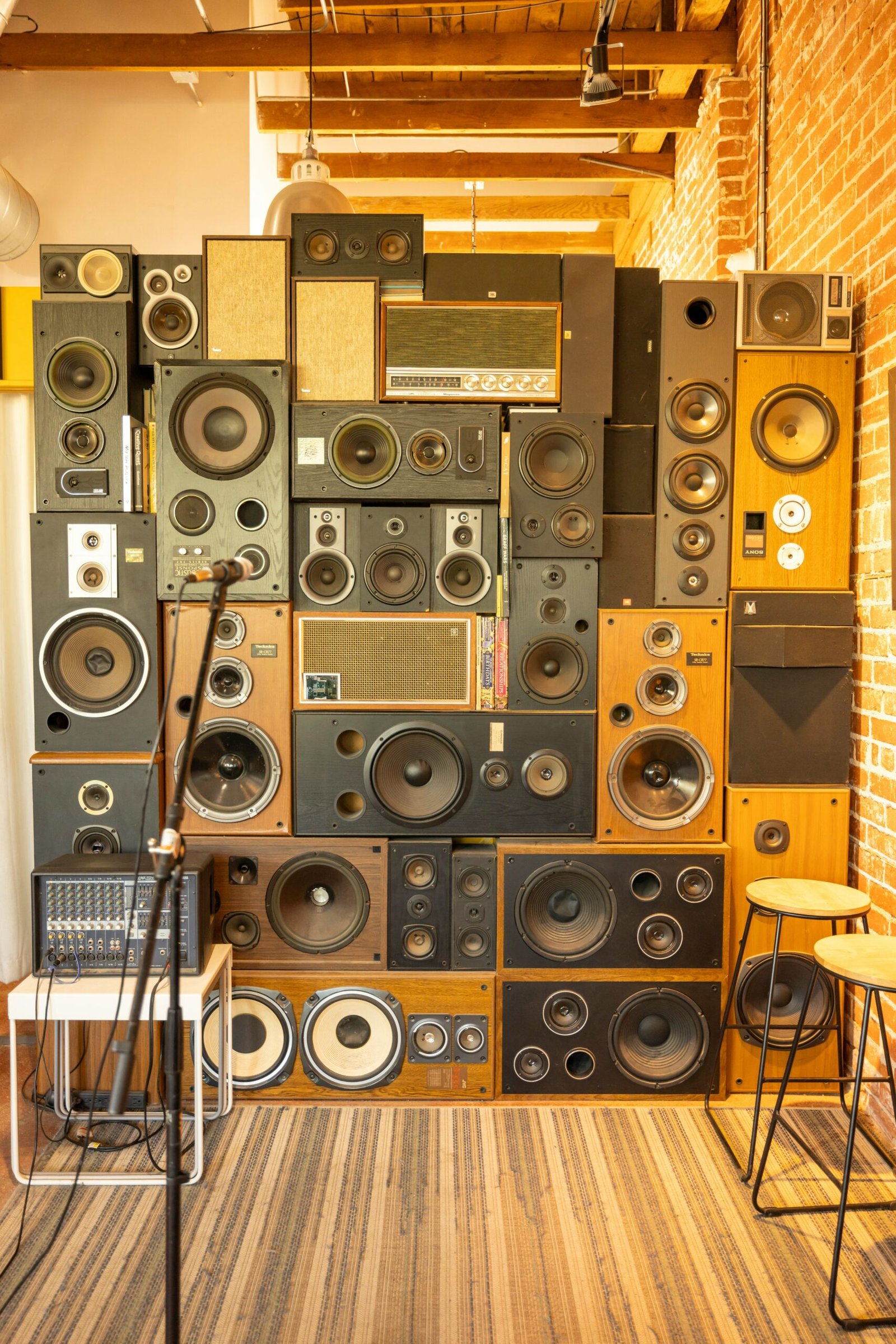
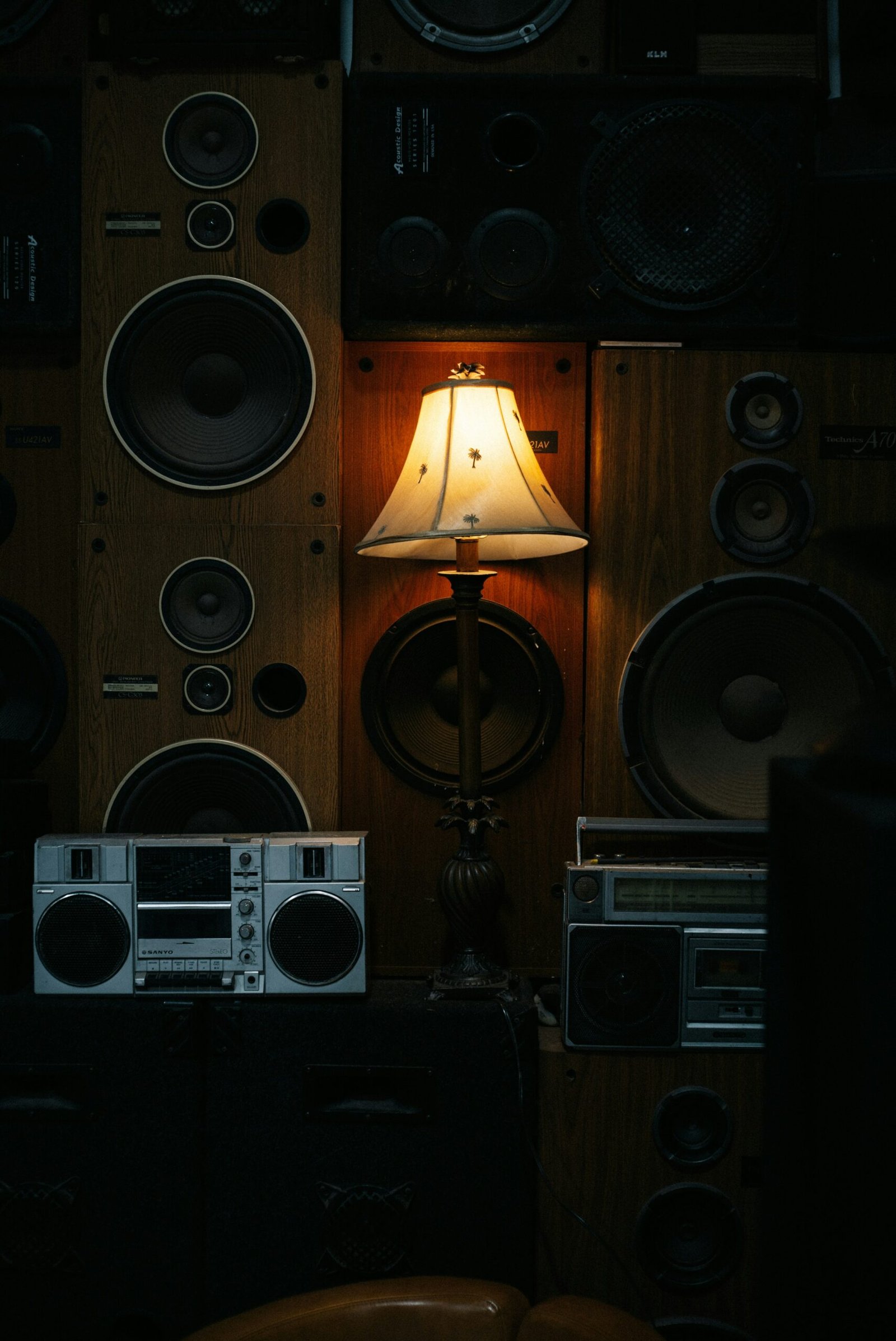
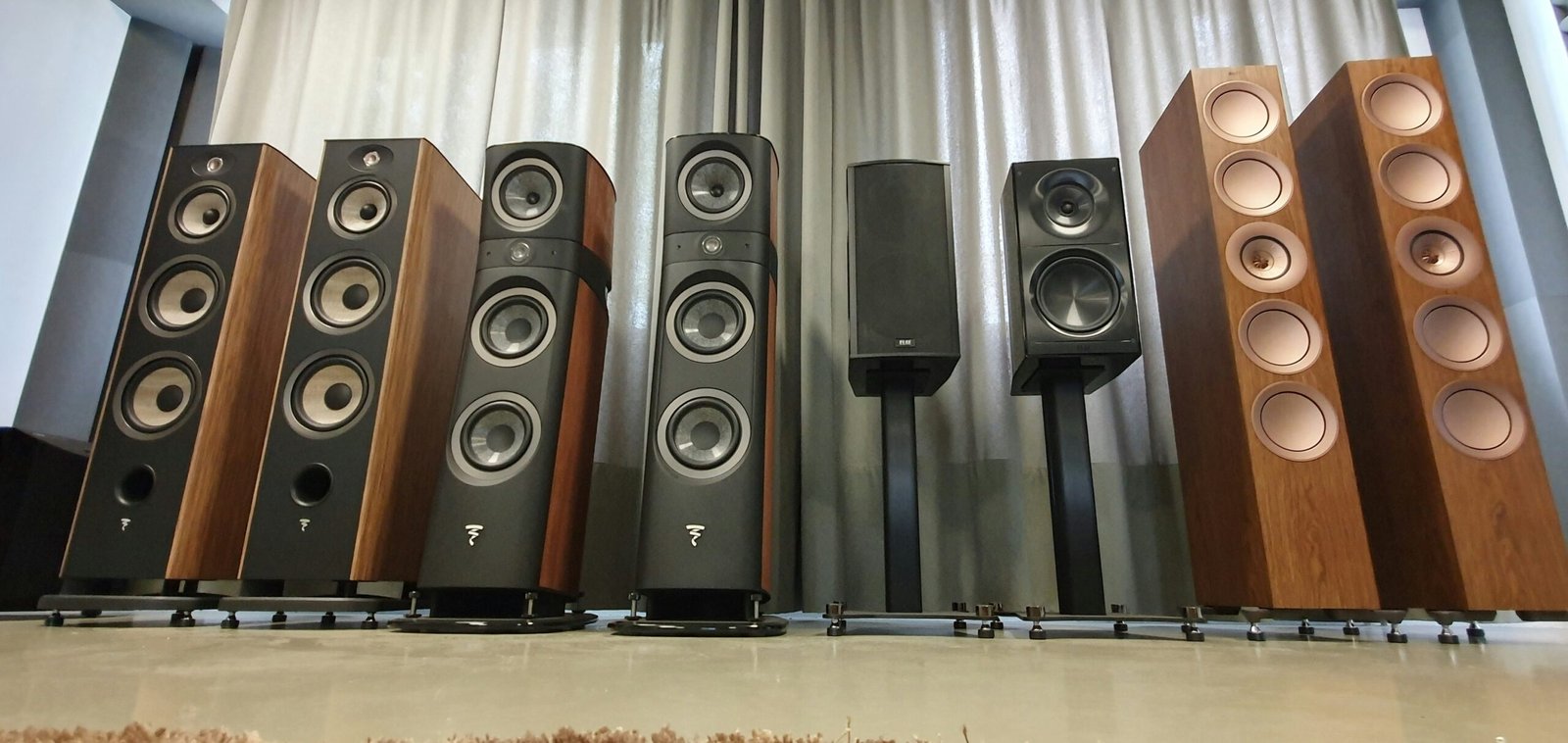
Social media has made Hi-Fi highly visual. Beautiful rooms, stylish speakers, and carefully staged setups dominate online platforms. However, copying these setups without understanding the acoustic context often leads to poor results.
A setup that looks perfect on a screen may sound completely wrong in a different room. Hi-Fi is not about imitation — it is about adaptation.
Conclusion
Achieving good Hi-Fi sound is not about chasing trends, brands, or power. It is about understanding the room, respecting its limitations, and making informed choices.
Hi-Fi is a long-term relationship with music. When done right, it becomes a source of daily pleasure rather than constant adjustment. Balance, simplicity, and listening awareness matter far more than specifications or aesthetics.