
Starting a home studio often begins with one simple question: which microphone should you buy first?
With so many models available today, beginners can easily feel overwhelmed. Expensive microphones may look attractive, but in reality, many affordable microphones already deliver excellent sound quality for home recording.
The goal is not to buy the most expensive microphone, but to choose a microphone that fits your recording environment, workflow, and creative needs.
After years working with different studio setups and recording environments, one thing becomes clear: good recordings depend far more on technique, microphone placement, and room acoustics than expensive equipment alone.
In this guide, we explore a few microphones that have become trusted choices for musicians, podcasters, content creators, and home studio producers around the world.
Why Budget Microphones Can Still Sound Professional
Modern entry-level microphones have improved dramatically over the years. Today, even affordable studio microphones can capture detailed and professional-quality recordings when used correctly.
For many beginners, investing in proper microphone positioning, acoustic treatment, and recording technique will often improve sound quality more than buying expensive gear.
A quiet room, a simple pop filter, and careful gain staging can make a huge difference.
Why a Condenser Microphone Is Often the Best Choice
For most home studio setups, a condenser microphone is usually the most versatile option.
Condenser microphones are sensitive and detailed, making them ideal for recording:
- Vocals
- Acoustic instruments
- Voiceovers
- Podcasts
- Sound design
- YouTube content
- Streaming and narration
They capture subtle nuances in sound and are widely used in professional recording studios.
Quick Comparison Table
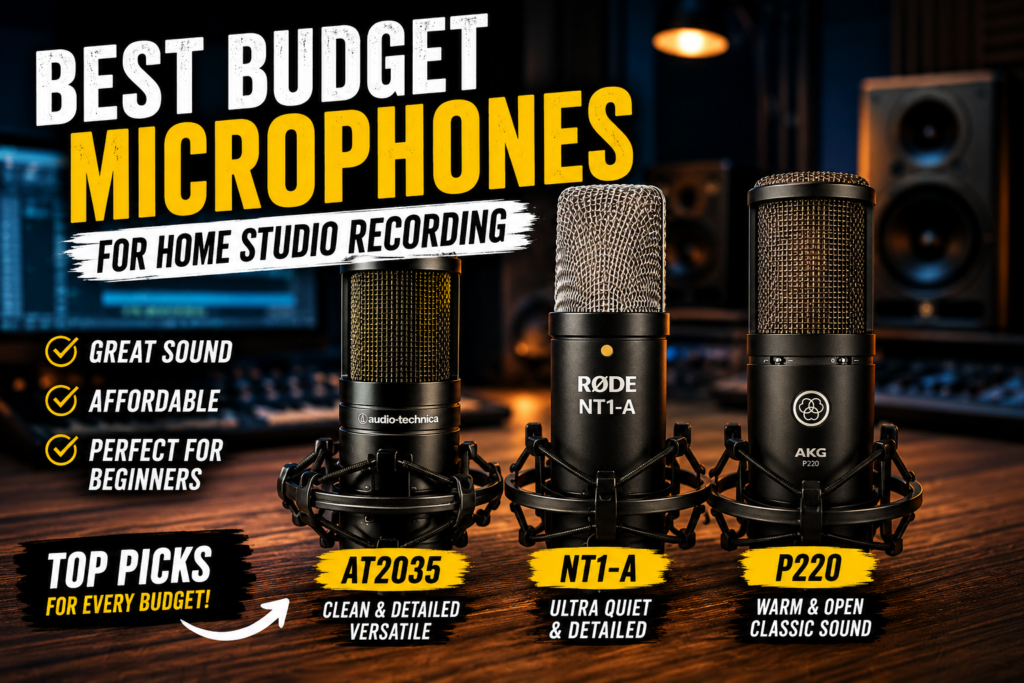
| Microphone | Best For | Sound Character |
|---|---|---|
| Audio-Technica AT2035 | Beginners & versatile recording | Neutral, detailed, and clean |
| Rode NT1-A | Vocals & voiceovers | Detailed and ultra quiet |
| AKG P220 | Budget home studios | Warm, open, and balanced |
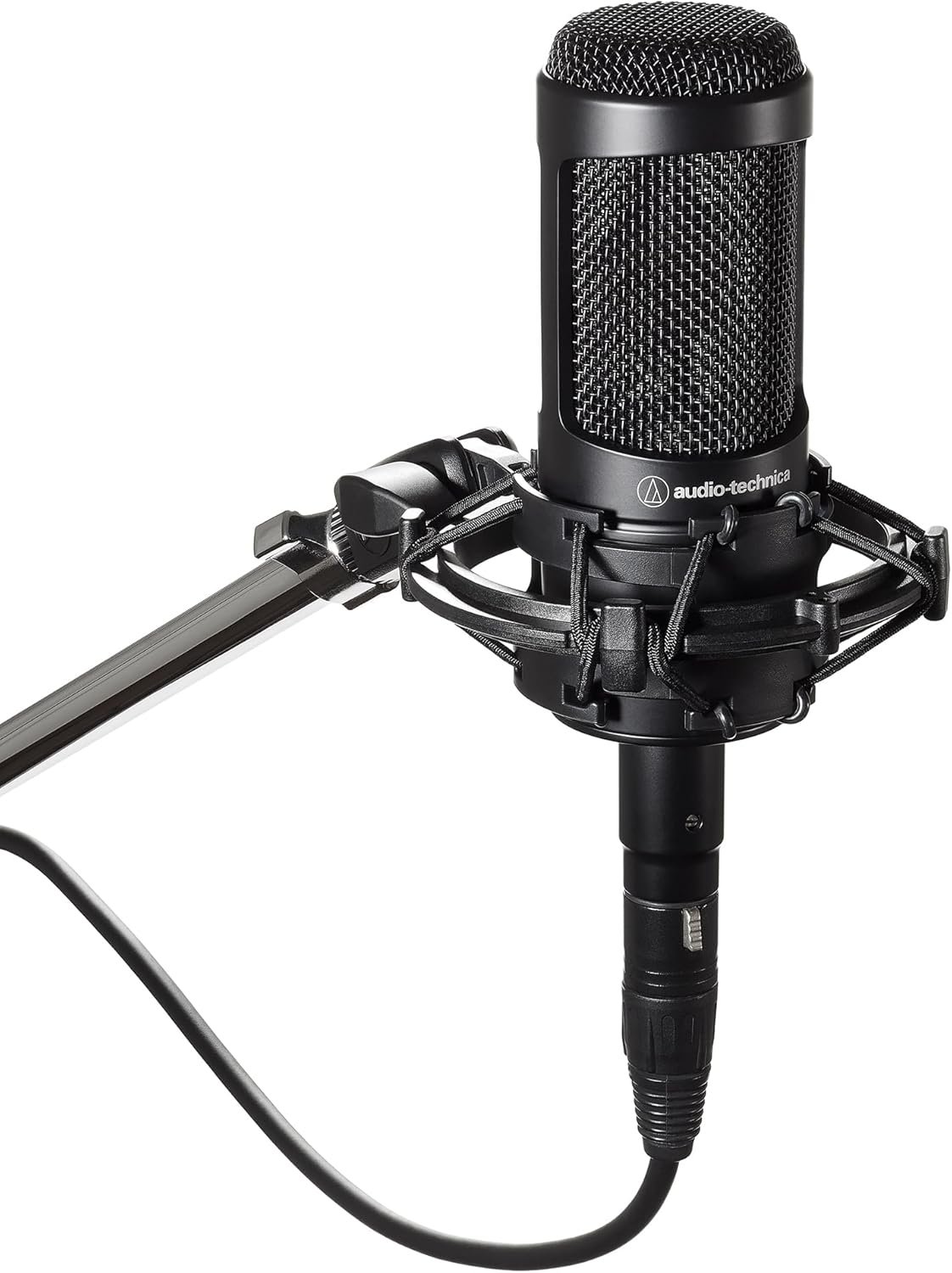
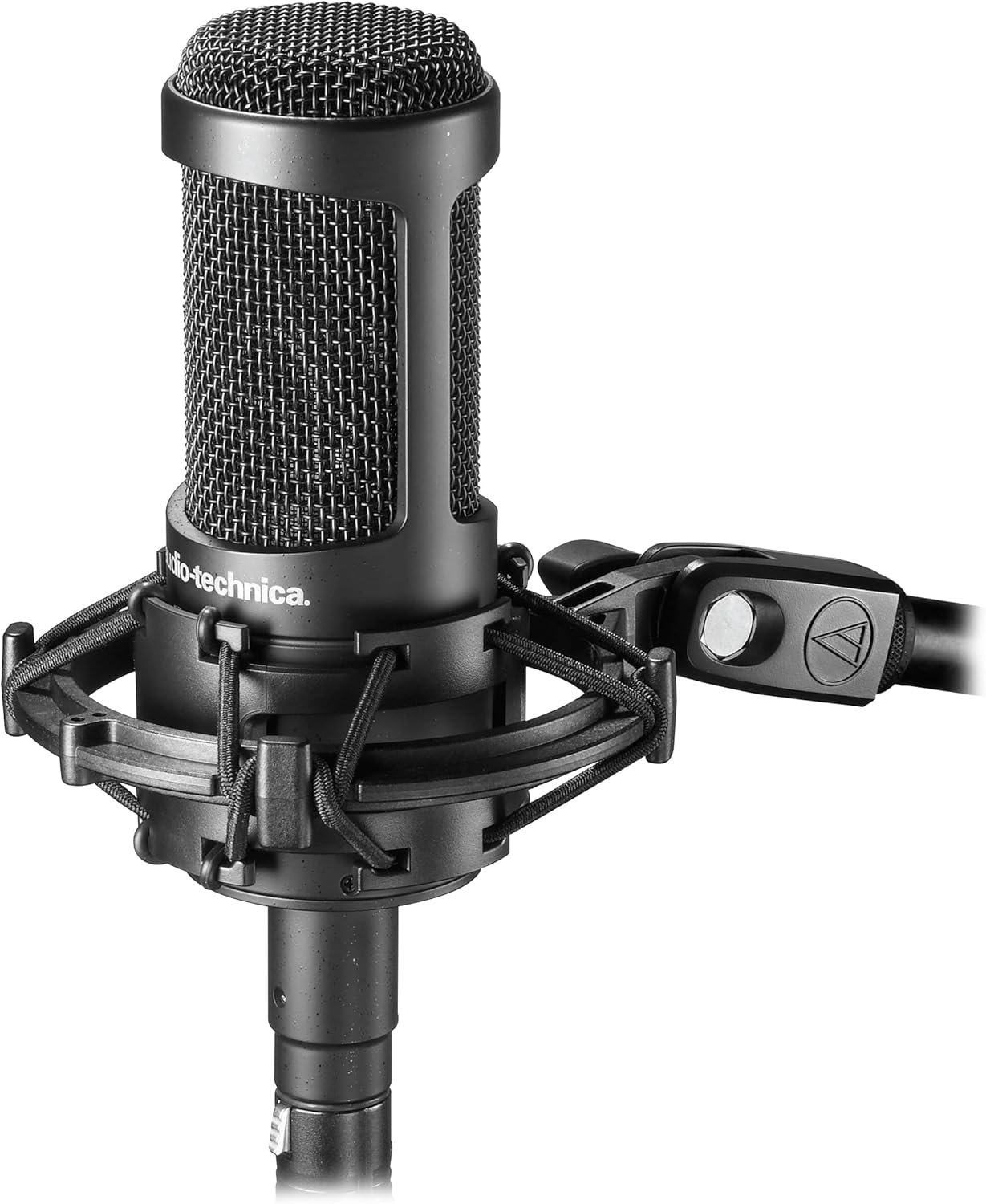
Audio-Technica AT2035
One of the most respected affordable condenser microphones is the Audio-Technica AT2035.
The AT2035 has earned a strong reputation among musicians, podcasters, and content creators thanks to its reliability, clarity, and balanced sound signature.
Compared to entry-level microphones, the AT2035 offers a more refined and detailed sound with better low-end control and smoother highs. Its cardioid pickup pattern also helps reduce unwanted background noise, making it well suited for untreated home studio environments.
Another reason many creators appreciate the AT2035 is its versatility. It performs very well for vocals, acoustic guitar, voiceovers, streaming, and even sound design work.
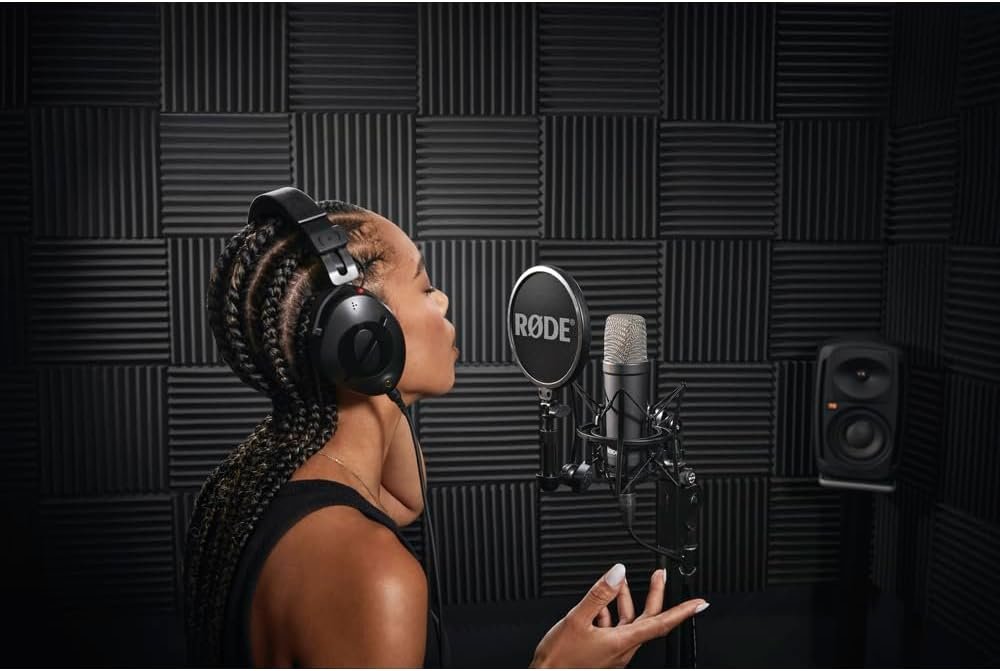
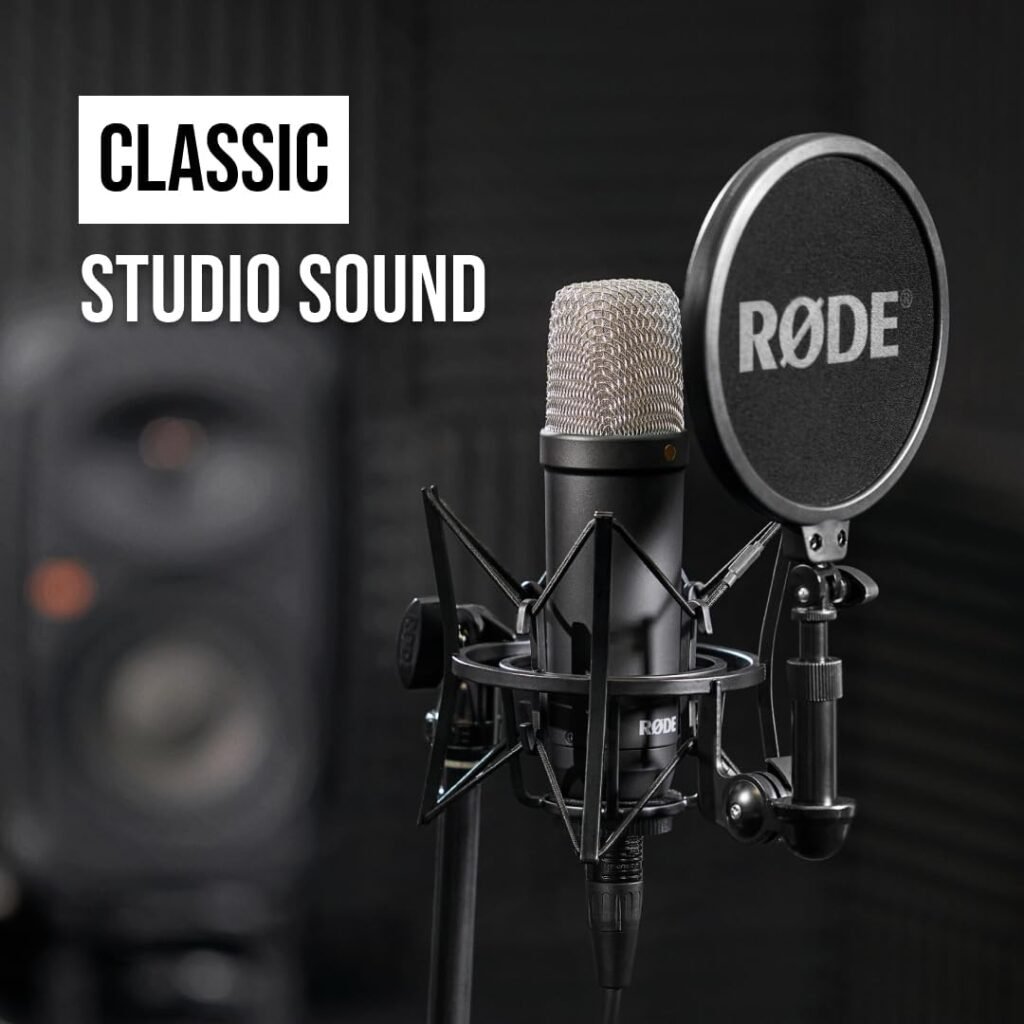
Rode NT1
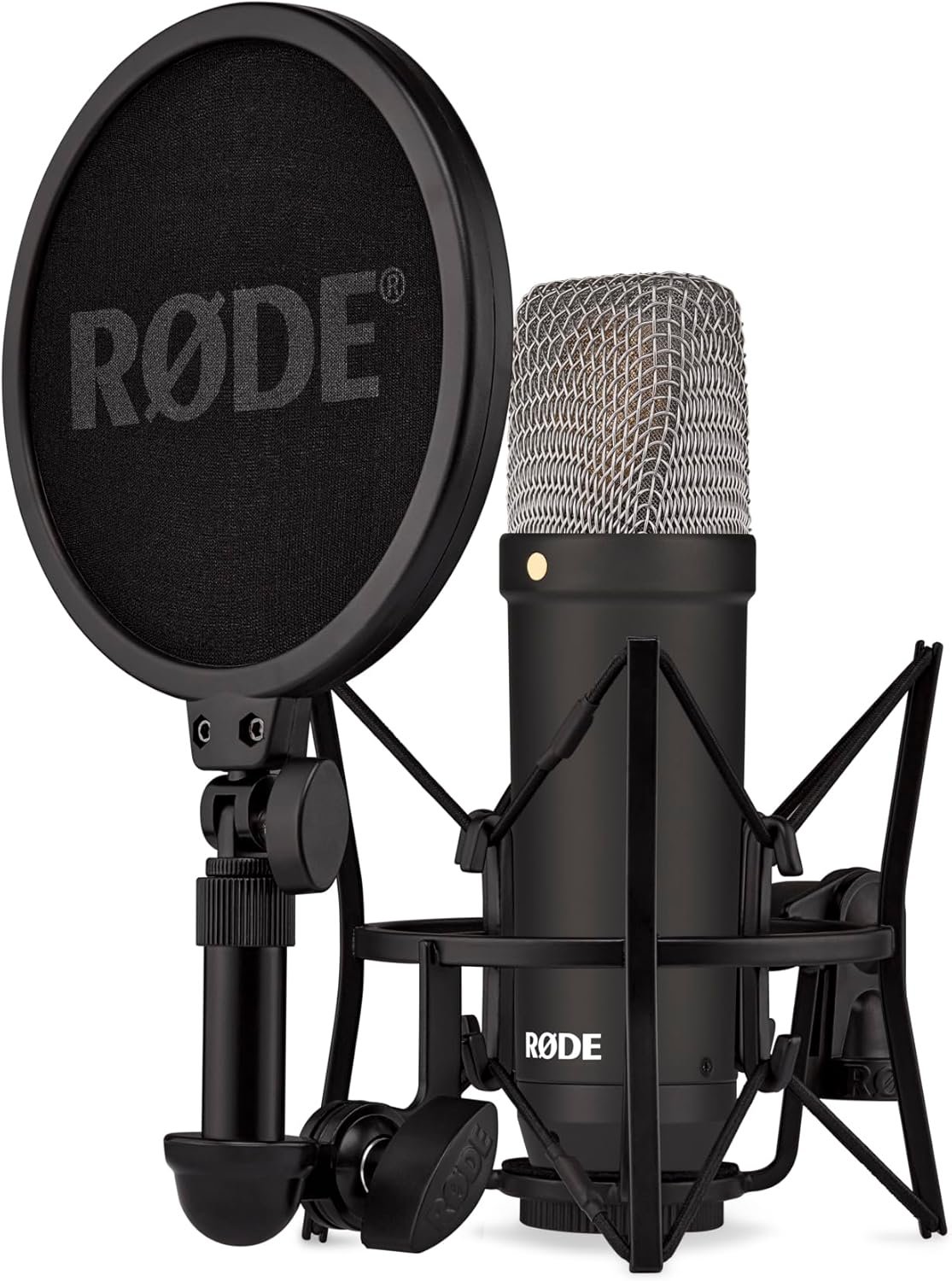
Another microphone frequently recommended for home studios is the Rode NT1.
The NT1 is famous for its extremely low self-noise, which means cleaner recordings during quiet vocal sessions and voiceover work.
Its sound is detailed, open, and bright, making it especially popular for:
- Vocal recording
- Podcasts
- Narration
- Acoustic instruments
This microphone has been used in countless project studios worldwide and remains one of the most trusted affordable vocal microphones available today.
AKG P220
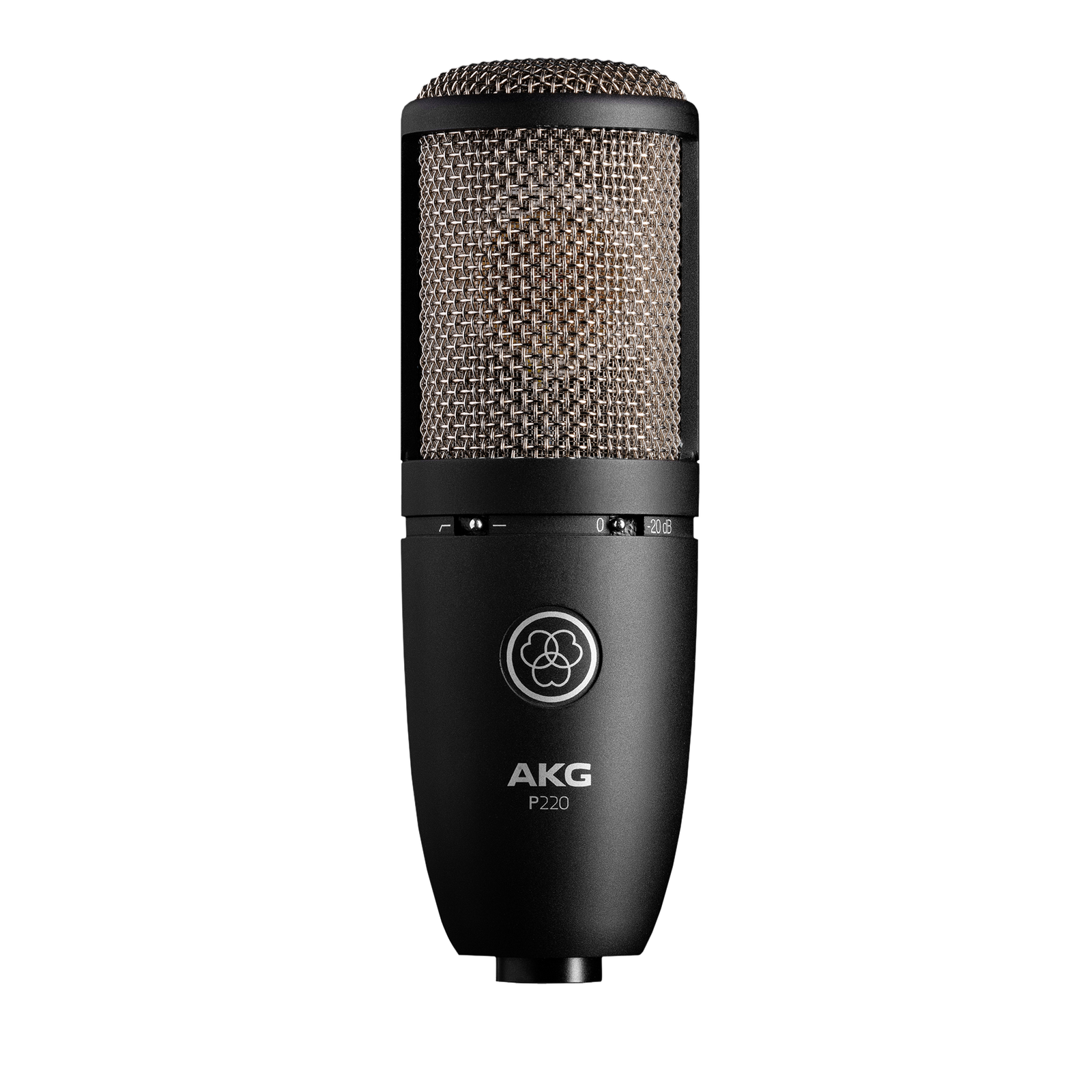
For creators searching for a warm and professional-sounding microphone at an accessible price, the AKG P220 is an excellent option.
The P220 delivers a full and balanced sound that works very well for vocals, acoustic instruments, and general home studio recording.
Unlike many microphones in this price range, it also includes useful studio features such as:
- Pad switch
- Low-cut filter
These controls provide more flexibility when recording louder sound sources or reducing unwanted low frequencies.
The AKG P220 also carries part of the classic AKG studio microphone character, giving recordings a slightly more “traditional studio” feel compared to many modern budget microphones.
USB vs XLR Microphones for Home Studio
Many beginners wonder whether they should choose a USB microphone or an XLR microphone.
USB microphones are simpler and easier to use because they connect directly to a computer. However, XLR microphones usually provide:
- Better upgrade flexibility
- Higher audio quality
- More professional control
- Compatibility with audio interfaces and studio gear
For creators who plan to improve their studio over time, XLR microphones are often the better long-term investment.
Things to Avoid When Buying Your First Microphone
When purchasing your first studio microphone, try to avoid these common mistakes:
- Buying based only on price
- Ignoring room acoustics
- Recording too close to walls
- Using poor microphone placement
- Forgetting about pop filters and microphone stands
Even a professional microphone can sound poor in a bad recording environment.
Choosing the Right Microphone for Your Setup
Before buying a microphone, think carefully about your real needs.
Ask yourself:
- Will you mainly record vocals?
- Do you need portability?
- Is your room treated acoustically?
- Will you record instruments or voiceovers?
- Are you planning to upgrade your setup later?
A microphone that works perfectly for one creator may not fit another workflow.
In many small untreated rooms, microphone technique matters more than the microphone itself. Learning proper placement and gain staging can dramatically improve recording quality even with affordable gear.
FAQ
What is the best beginner microphone for home studio recording?
The Audio-Technica AT2035 remains one of the most trusted microphones for beginners thanks to its balanced sound, versatility, and professional performance for the price.
Is a condenser microphone good for untreated rooms?
Yes, but room acoustics still matter. Using acoustic treatment, blankets, curtains, or recording in a quieter environment can significantly improve results.
USB or XLR microphone for beginners?
USB microphones are easier to use, but XLR microphones offer better long-term flexibility and professional upgrade options.
Do expensive microphones always sound better?
Not necessarily. Technique, room acoustics, and microphone placement often have a bigger impact on recording quality than price alone.
Final Thoughts
Building a home studio does not require expensive gear to start producing great recordings.
Many affordable microphones today offer professional-level performance for beginners and intermediate creators alike.
The most important investment is not always the microphone itself, but learning how to use your equipment properly and understanding the fundamentals of sound recording.
A reliable microphone, a quiet environment, and good recording technique will always outperform expensive gear used incorrectly.
At the end of the day, the quality of your recordings depends not only on the microphone — but on how well you understand sound.
Affiliate Disclosure
This article may contain affiliate links. If you purchase through these links, Soundustry may earn a small commission at no extra cost to you.