
Some audio projects are more than simple restorations.
They become a personal journey between experimentation, passion, and respect for vintage engineering.
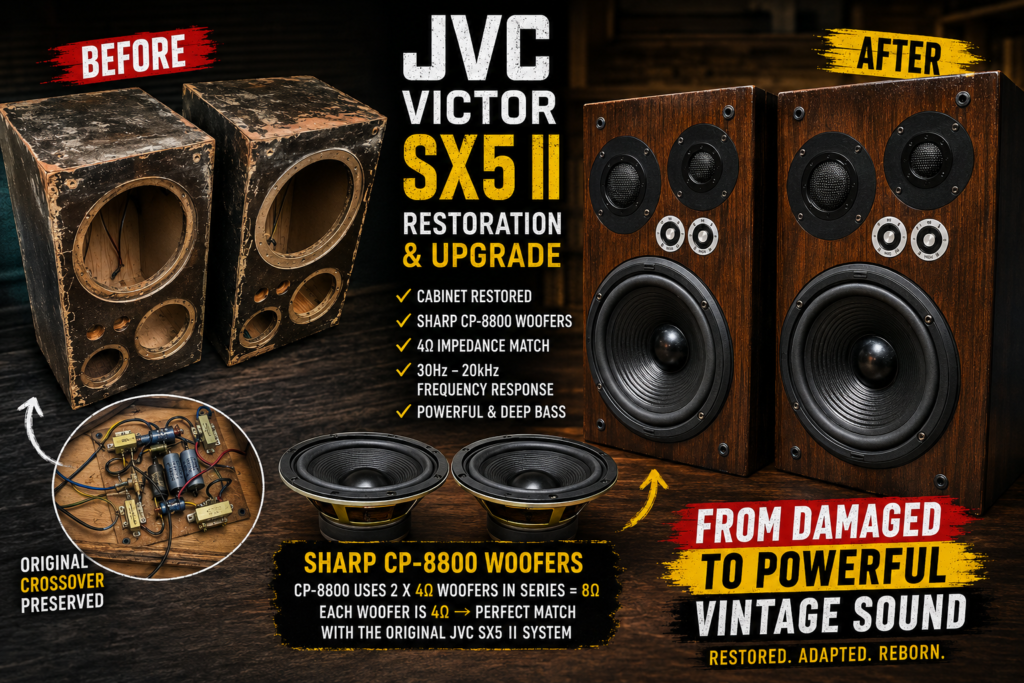
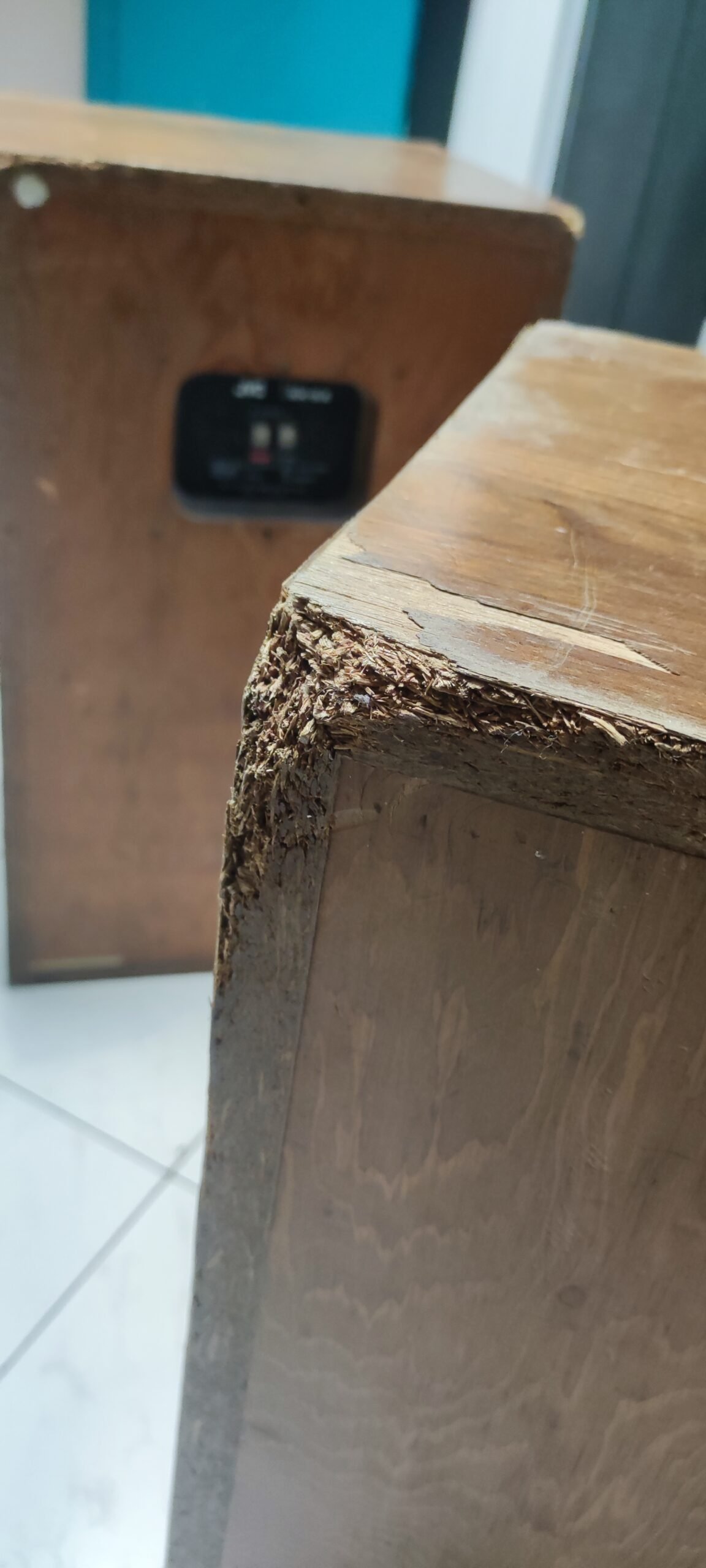
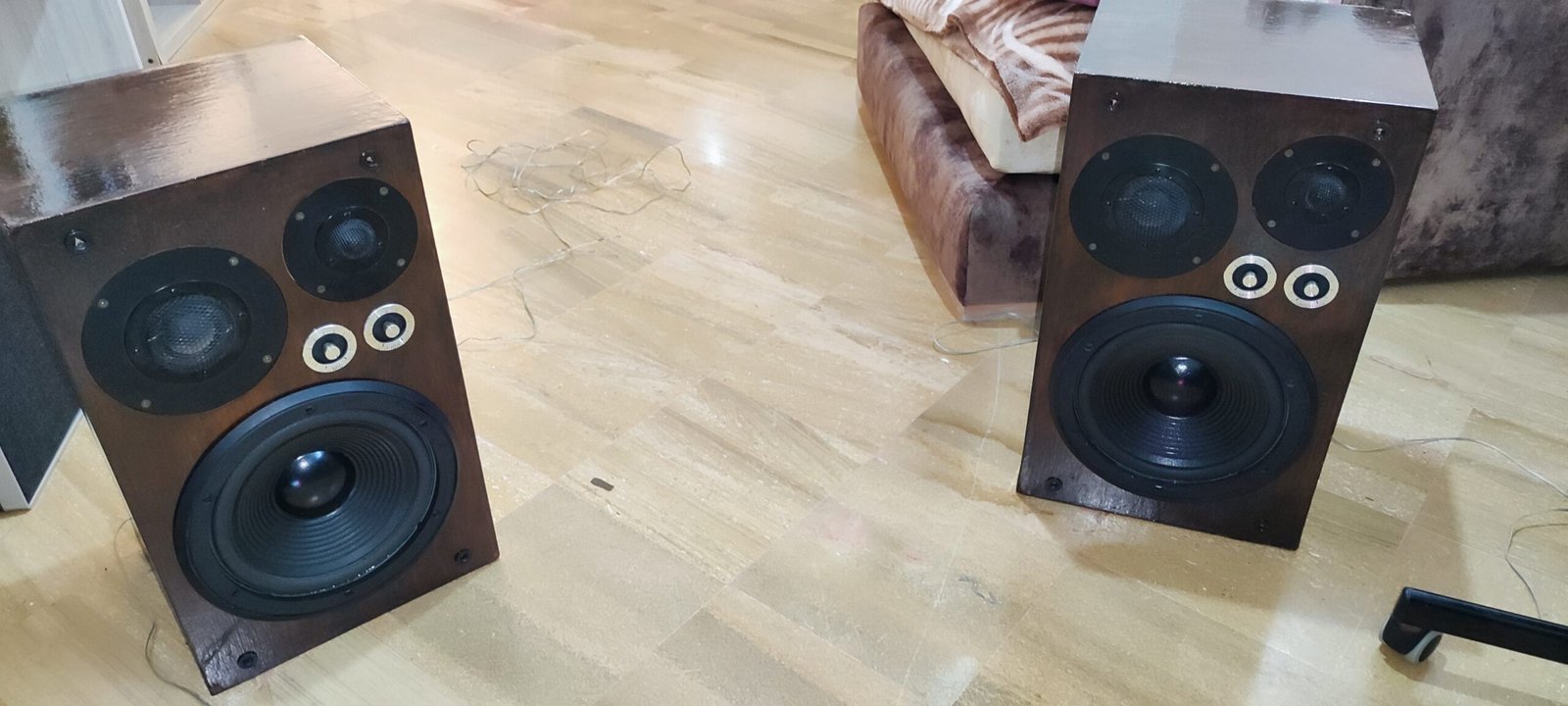
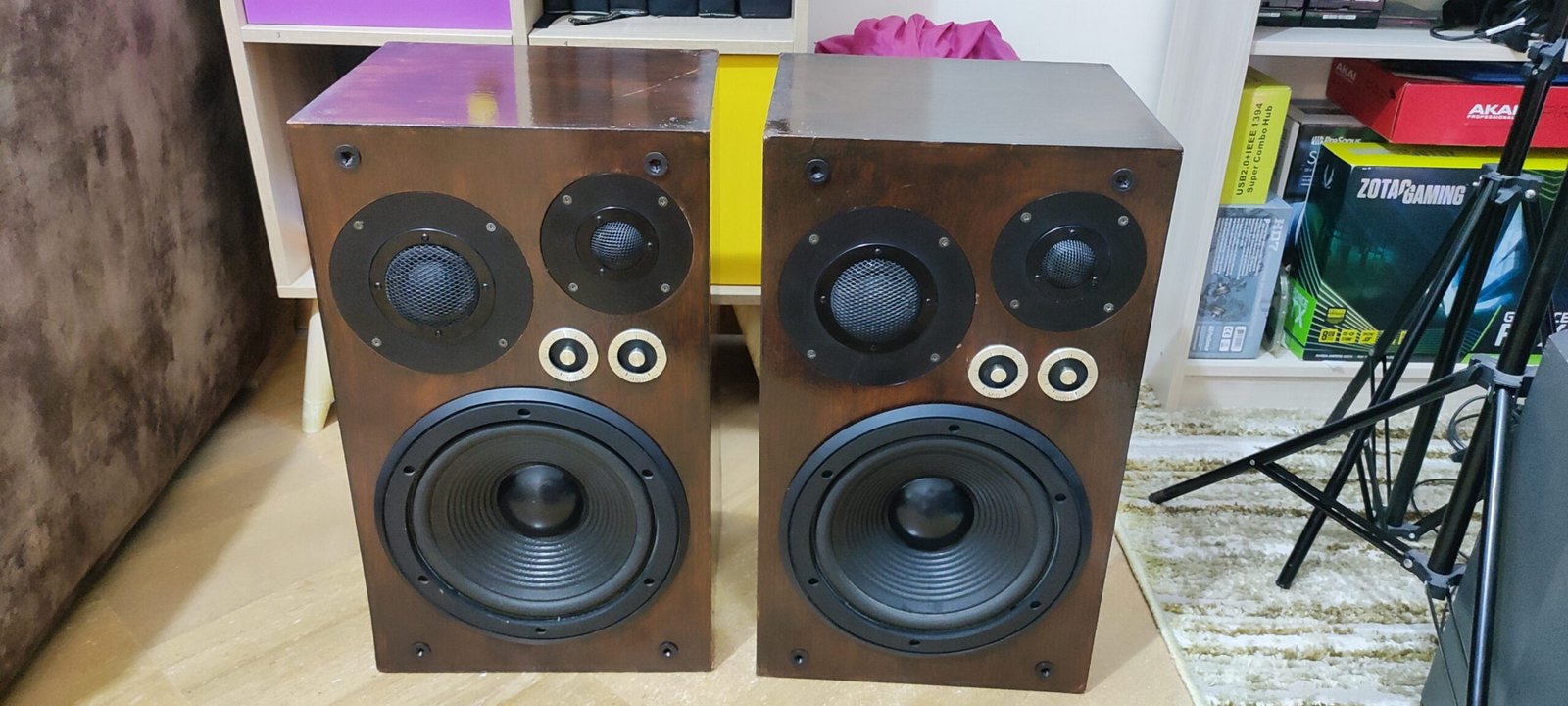
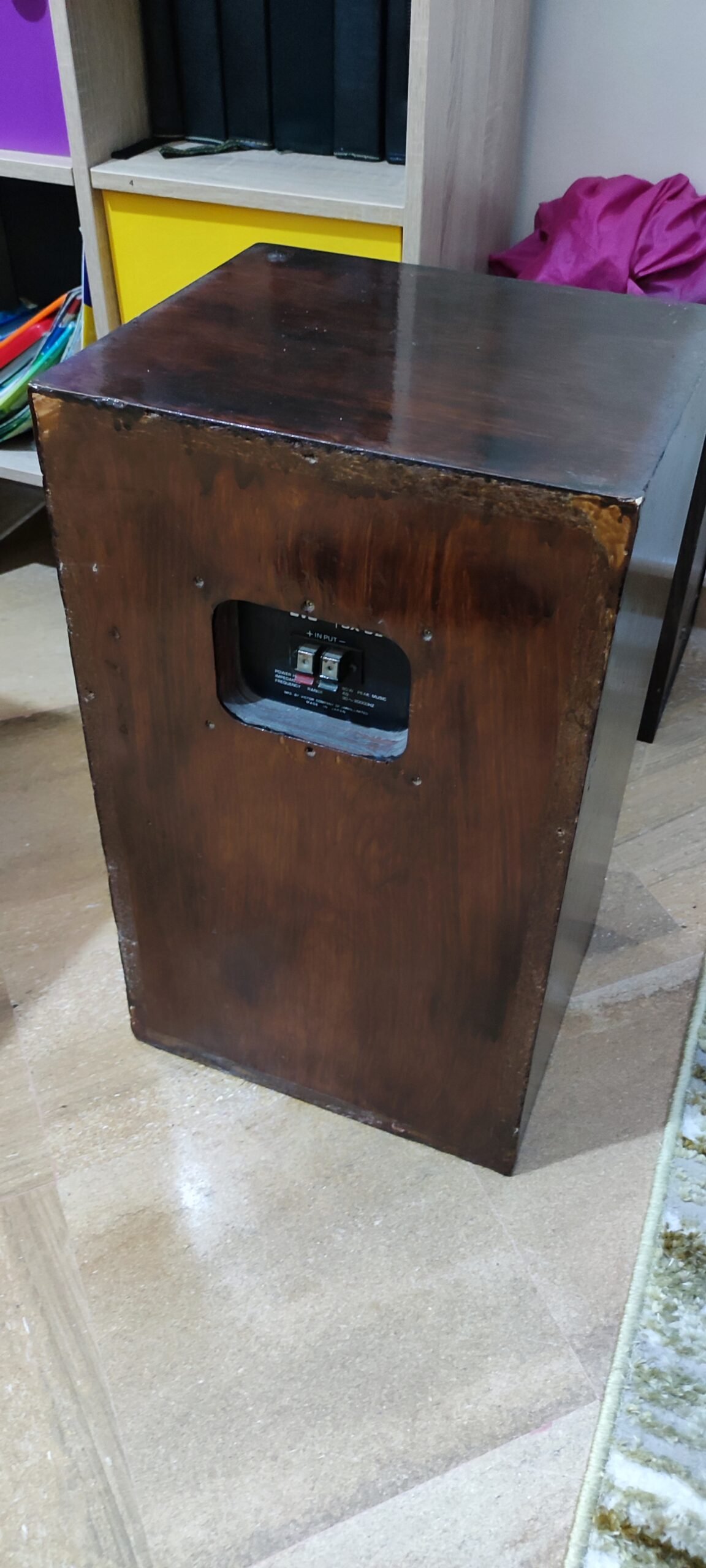
This pair of JVC Victor SX5 II came from a vintage Hi-Fi seller in very rough condition.
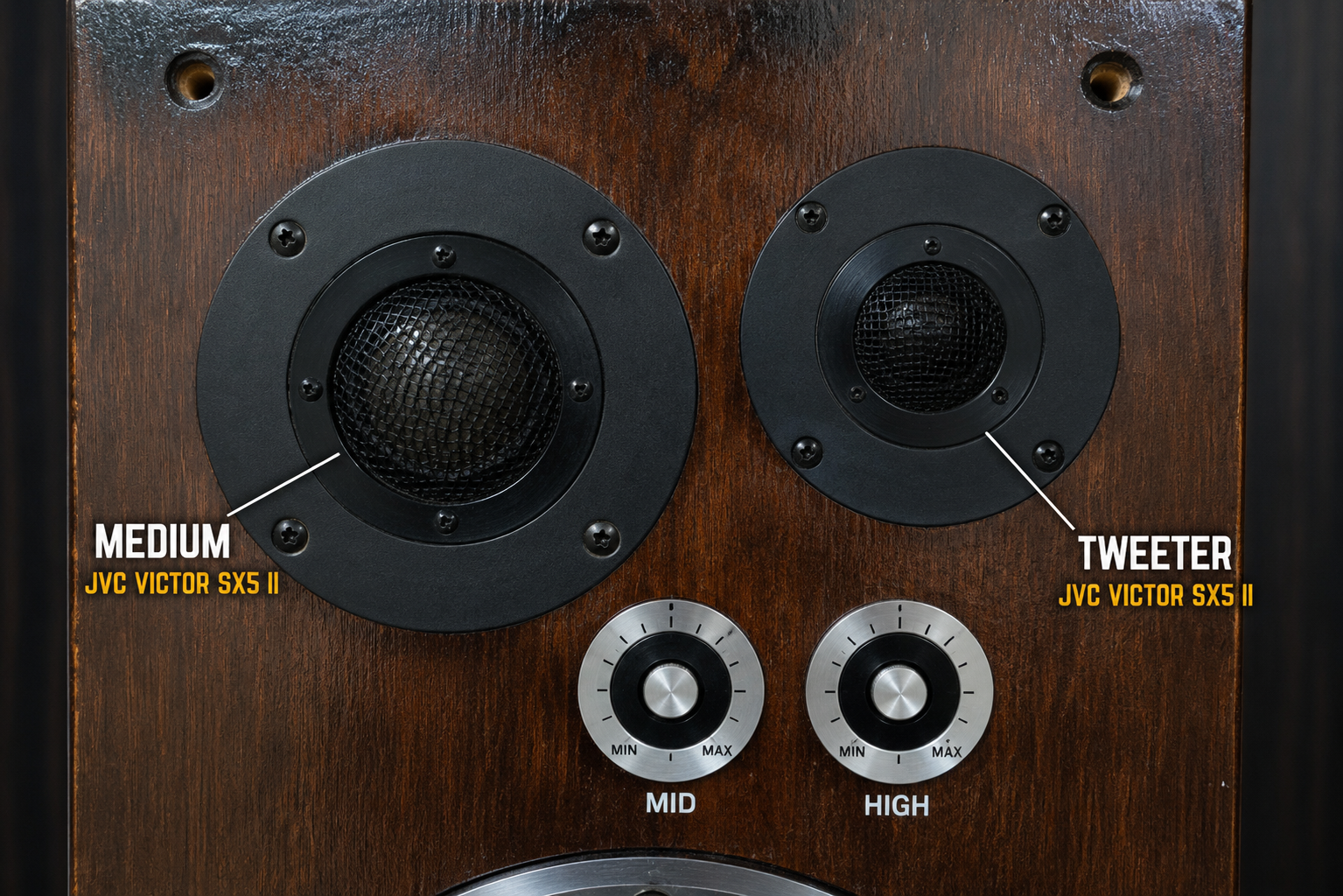
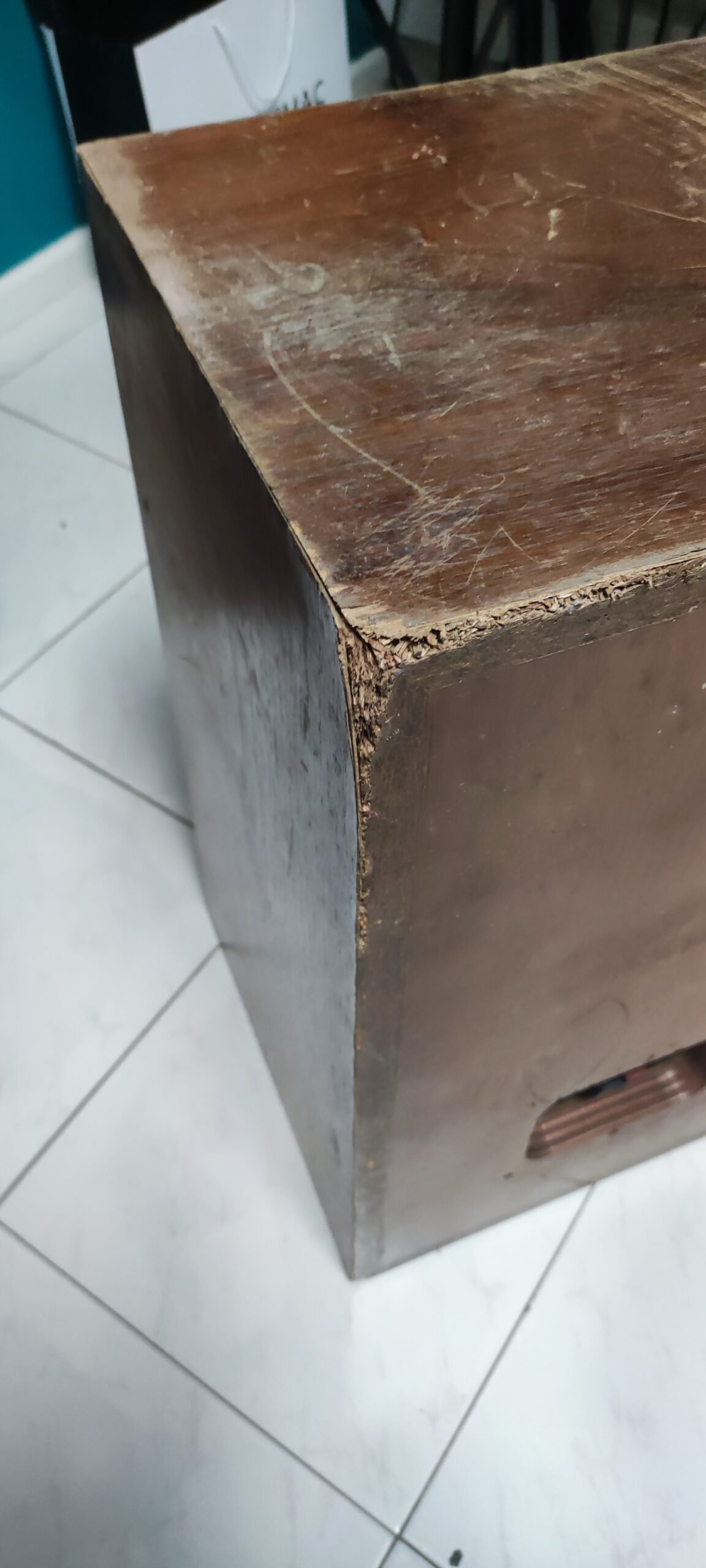
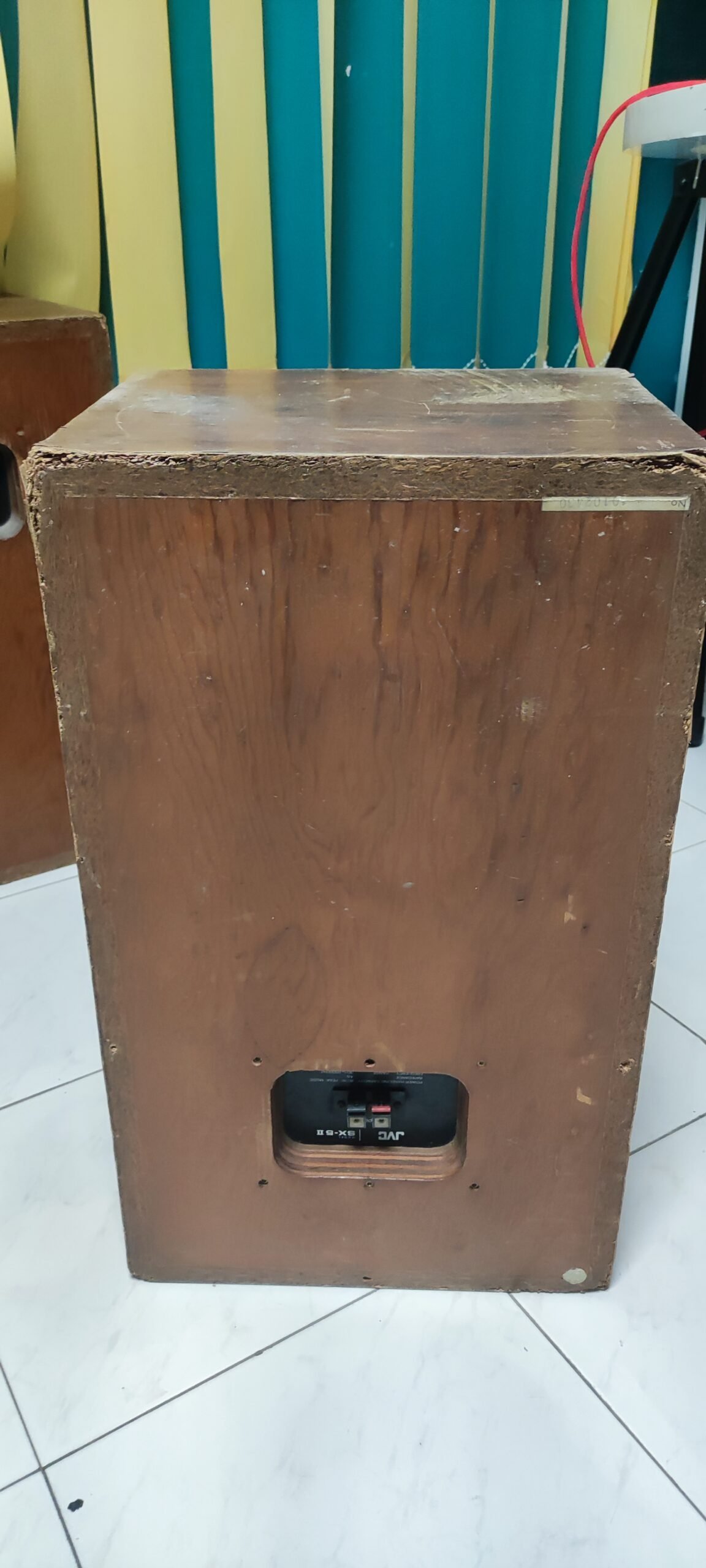
The cabinets were heavily damaged, the corners were broken, the original woofers were completely missing, and only the original midrange drivers, tweeters, and crossover filters were still present.
Most people would probably see them as spare parts or abandoned speakers.
But for me, they still had potential.
I bought them for a symbolic price with one idea in mind:
to give them a second life while exploring a unique restoration and acoustic adaptation project.
Restoring the Cabinets
The first challenge was saving the cabinets themselves.
The wood structure had suffered from time, storage conditions, and years of use.
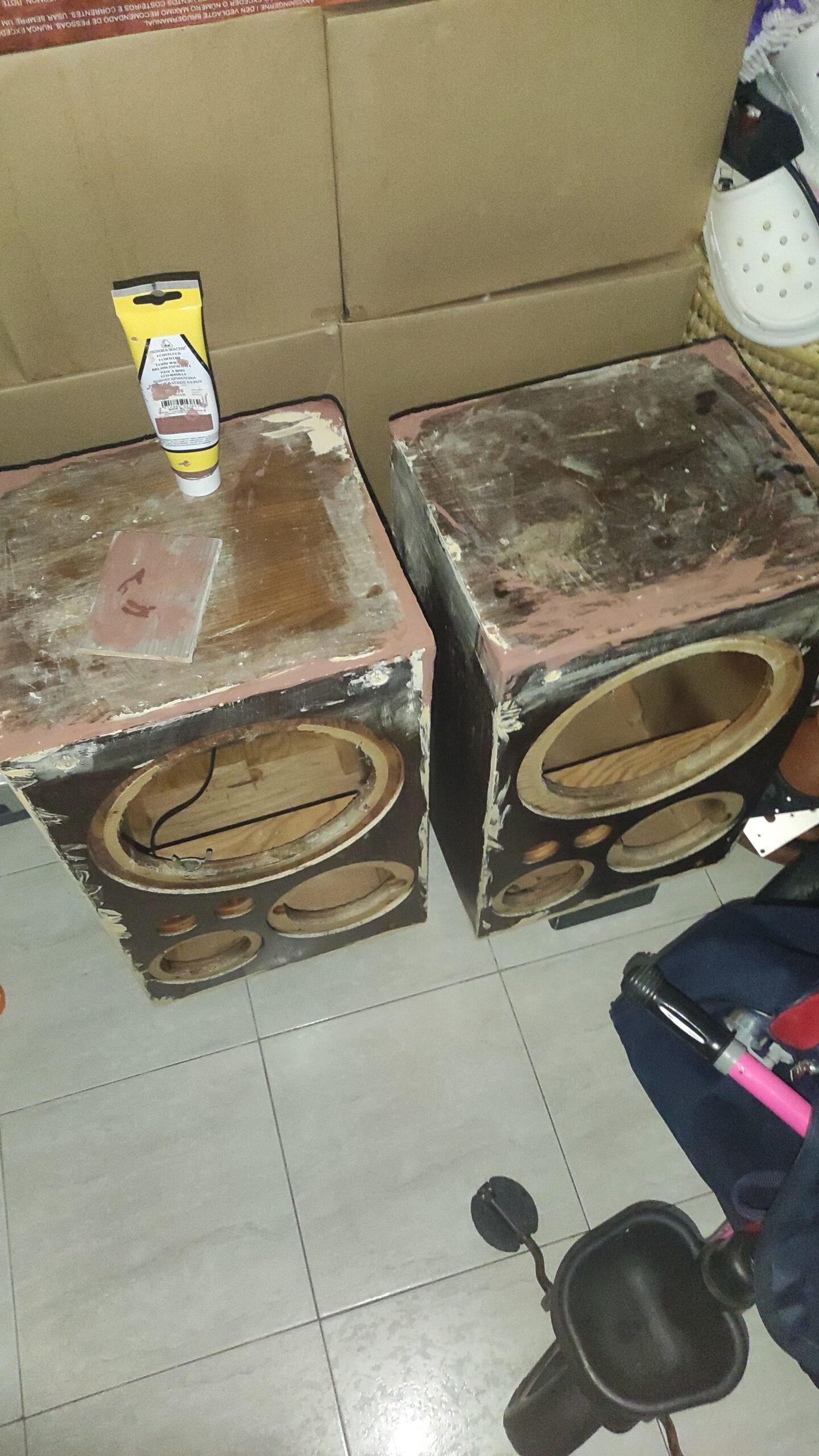
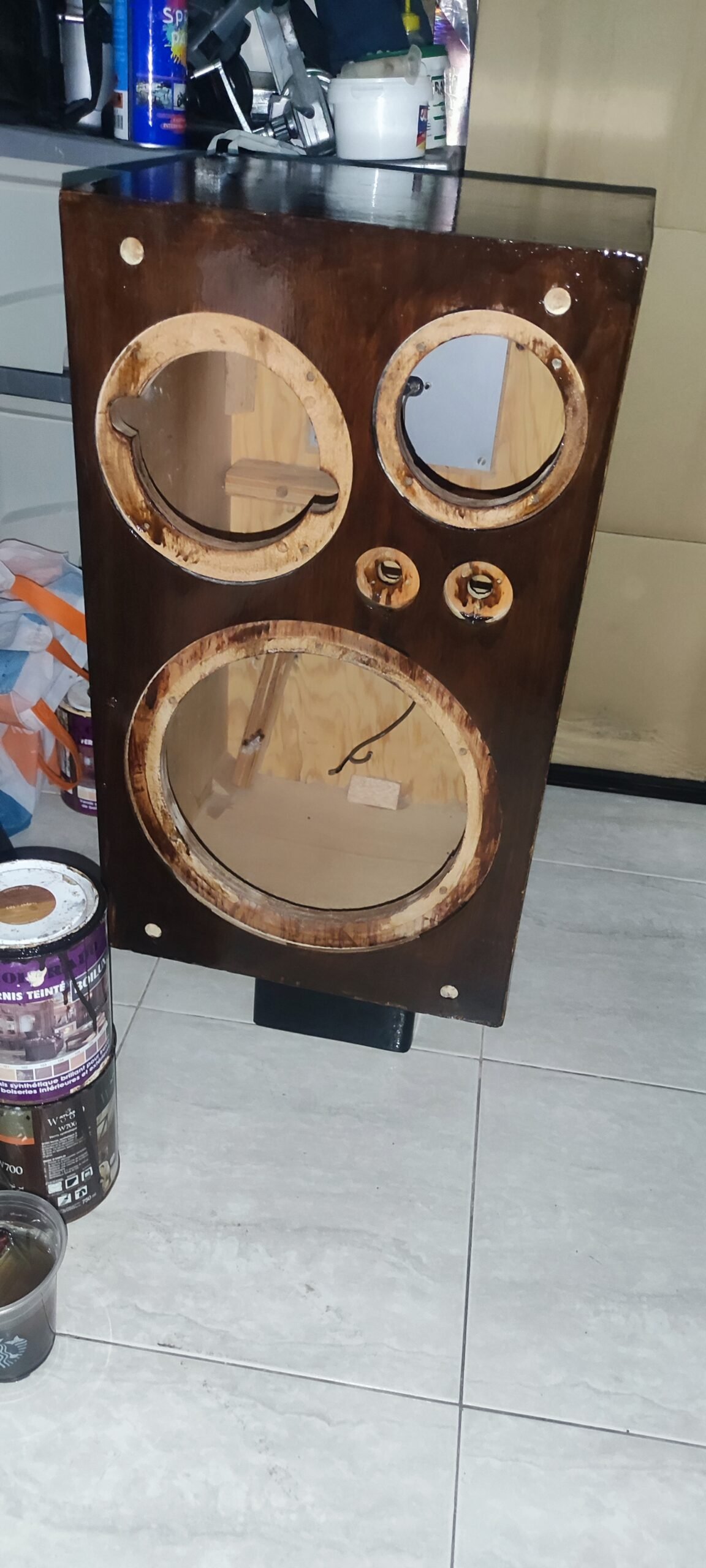
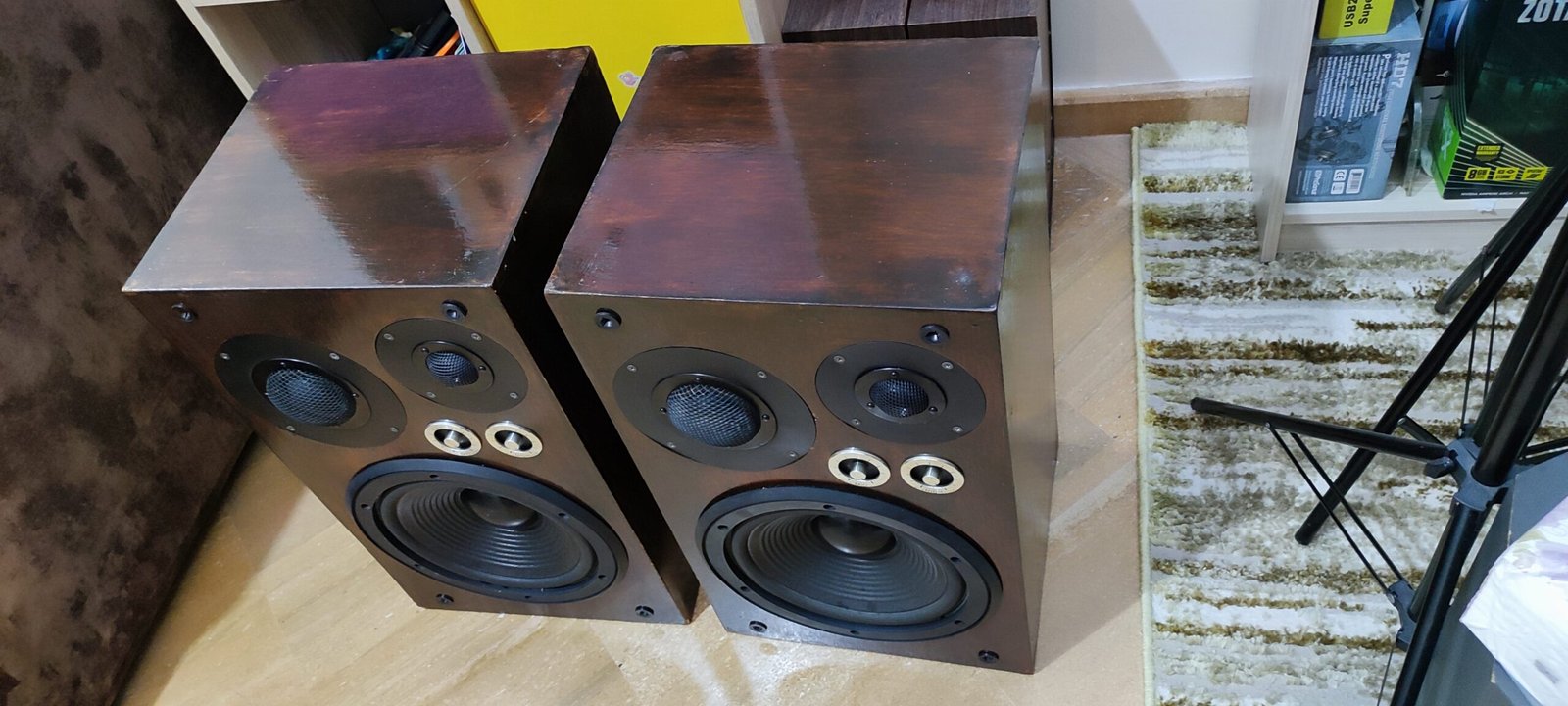
I spent many hours rebuilding damaged corners, reinforcing weak areas, sanding the entire surface, and carefully restoring the finish.
Instead of making them look “brand new,” I wanted them to keep their vintage soul while looking cleaner, stronger, and more elegant.
Little by little, the speakers started looking alive again.
Finding the Right Woofers
Since the original JVC woofers were missing, I had two choices:
- search endlessly for rare original replacements
- or create something different, but technically coherent
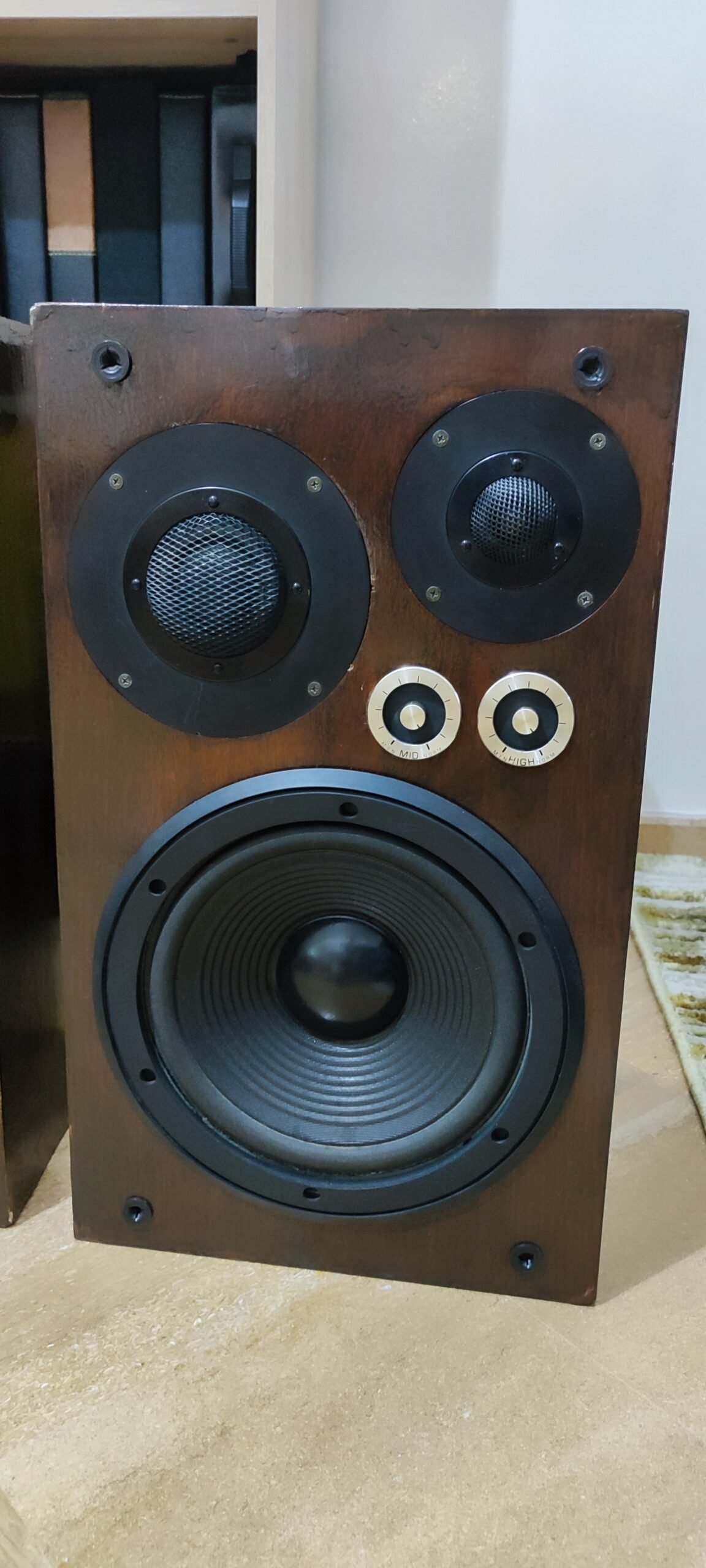
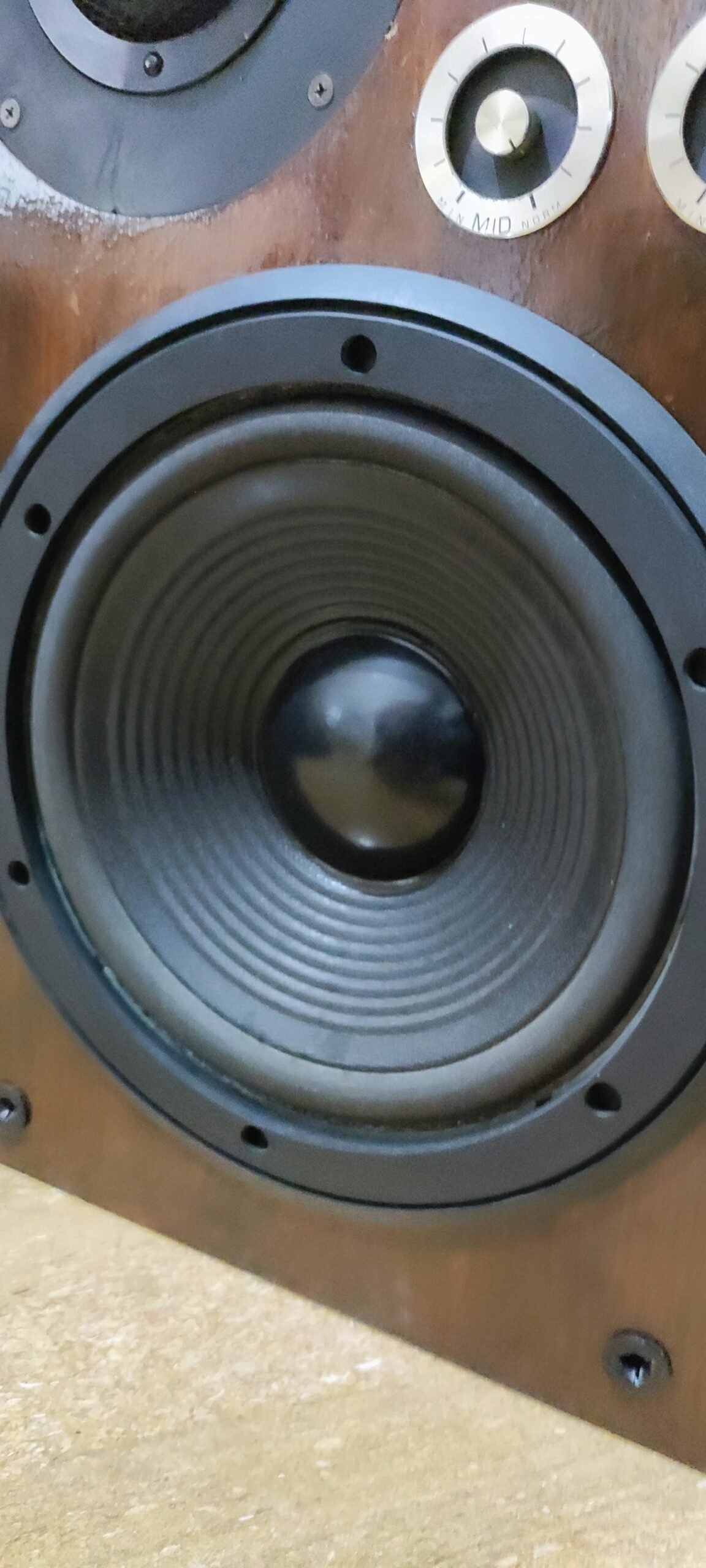
At home, I already had a pair of 25 cm (10”) woofers from the Sharp CP-8800 speakers.
At first, it was just an idea.
But after comparing the technical specifications, things started becoming very interesting.
The original JVC woofers use a 4Ω impedance.
The Sharp CP-8800 system uses two 4Ω woofers wired in series to create an 8Ω speaker system.
That means each Sharp woofer itself is also 4Ω.
So technically, the integration actually made sense.
Even more interesting:
- the JVC SX5 II frequency response is rated at 30 Hz – 20 kHz
- the Sharp CP-8800 is also rated at 30 Hz – 20 kHz
This wasn’t just a random DIY replacement anymore.
It became a real acoustic experiment.
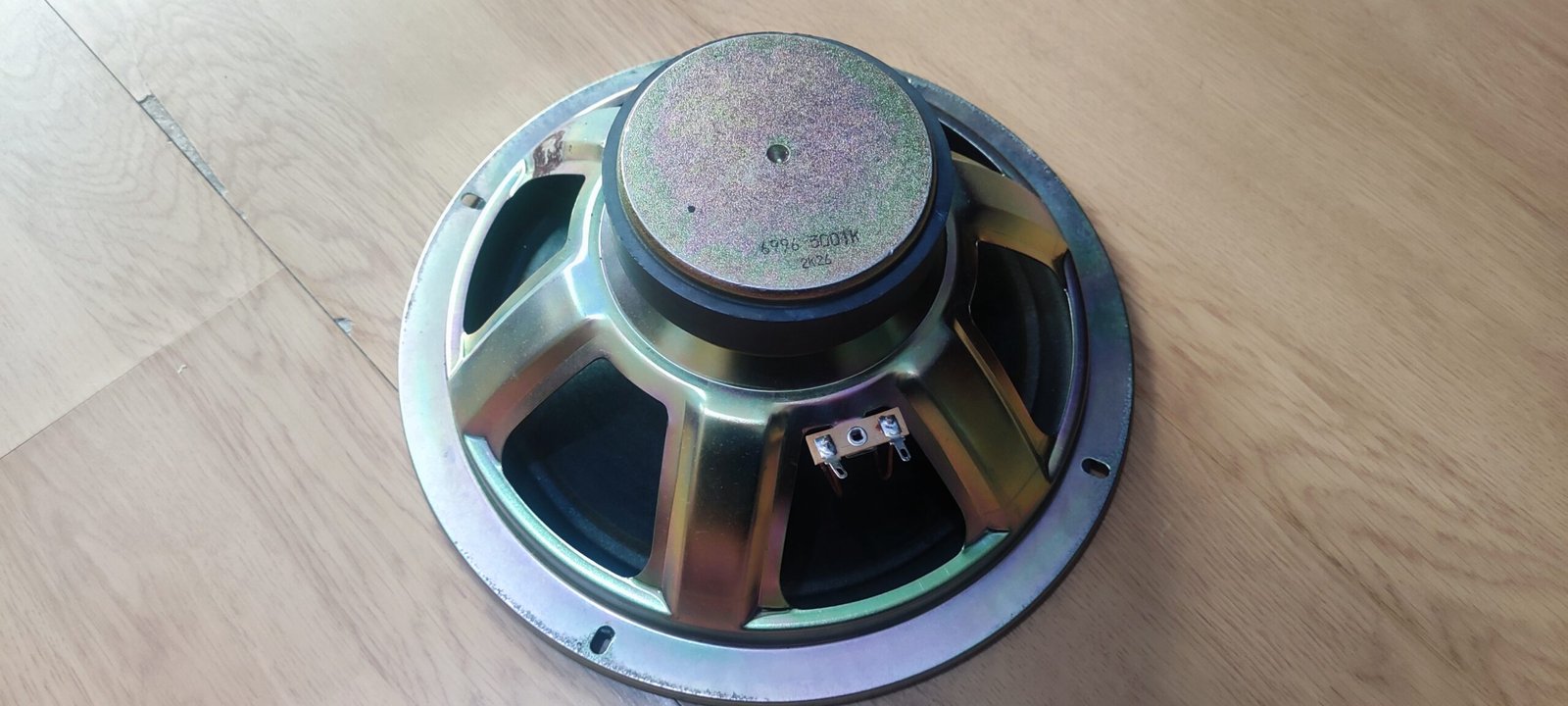
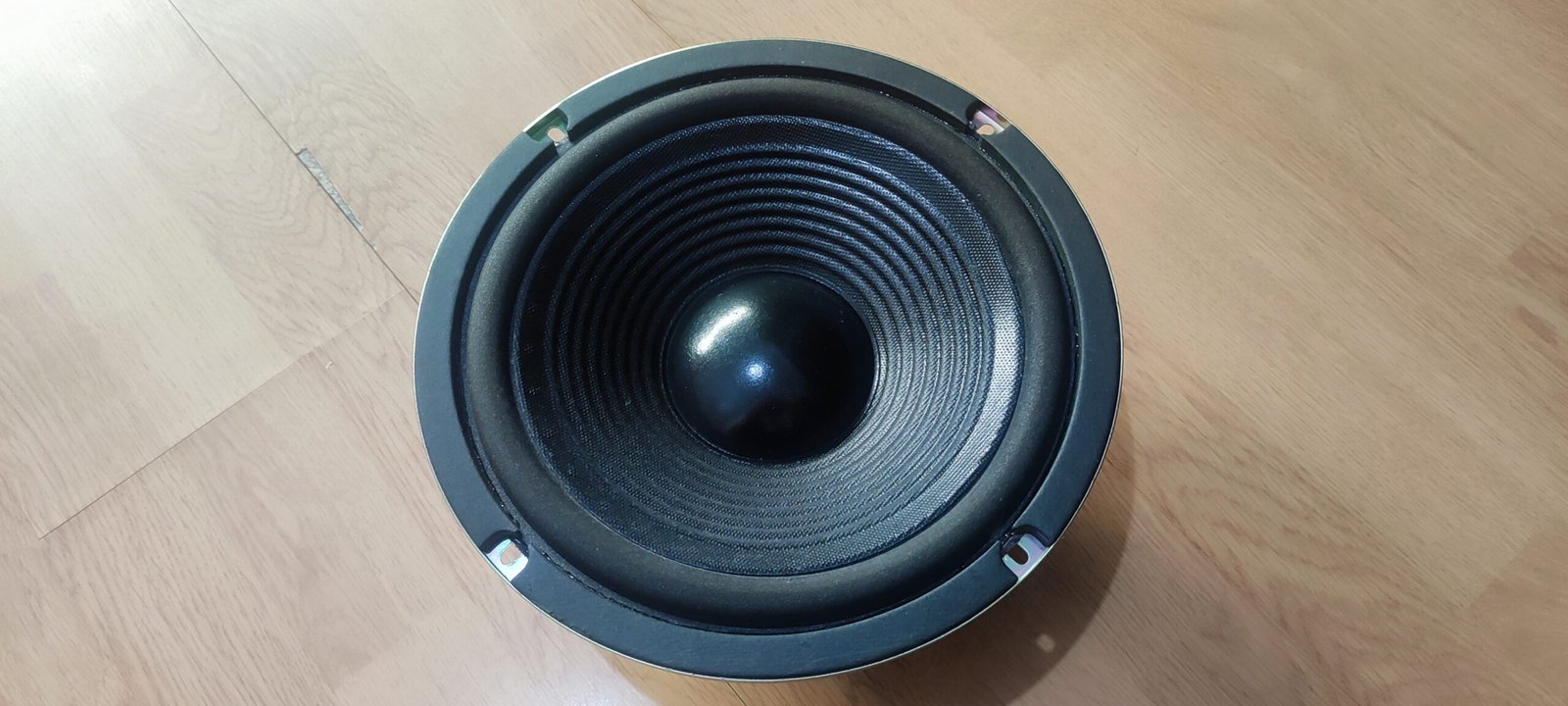
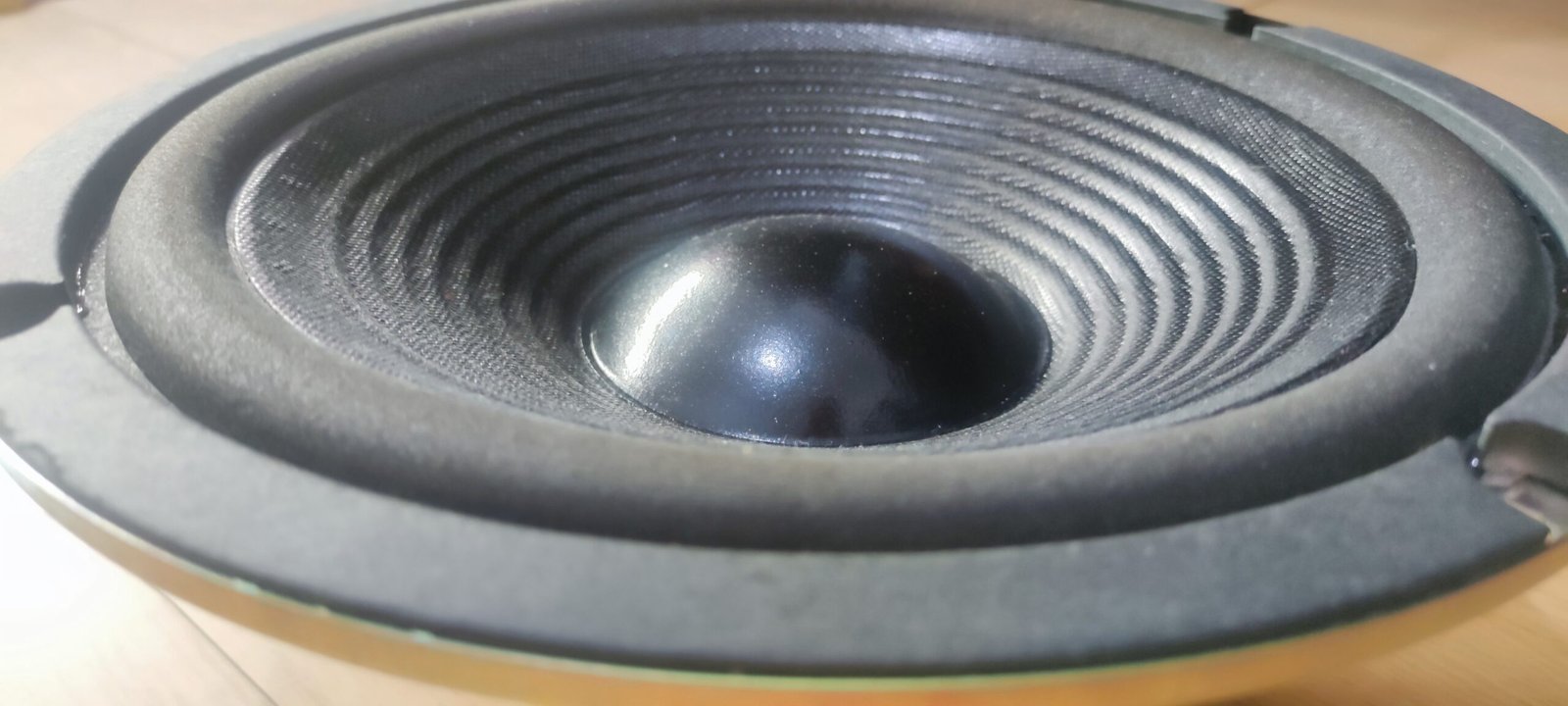
Adapting the System
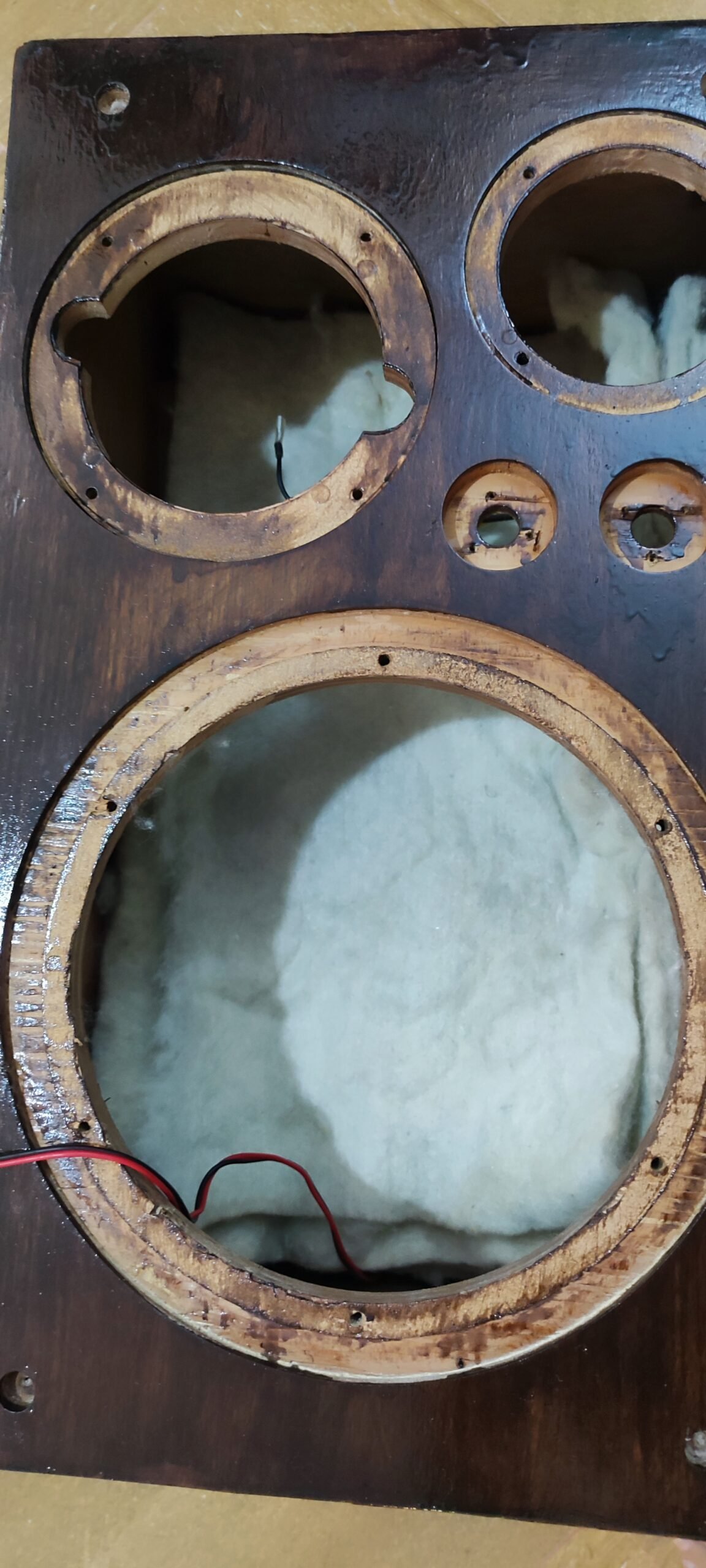
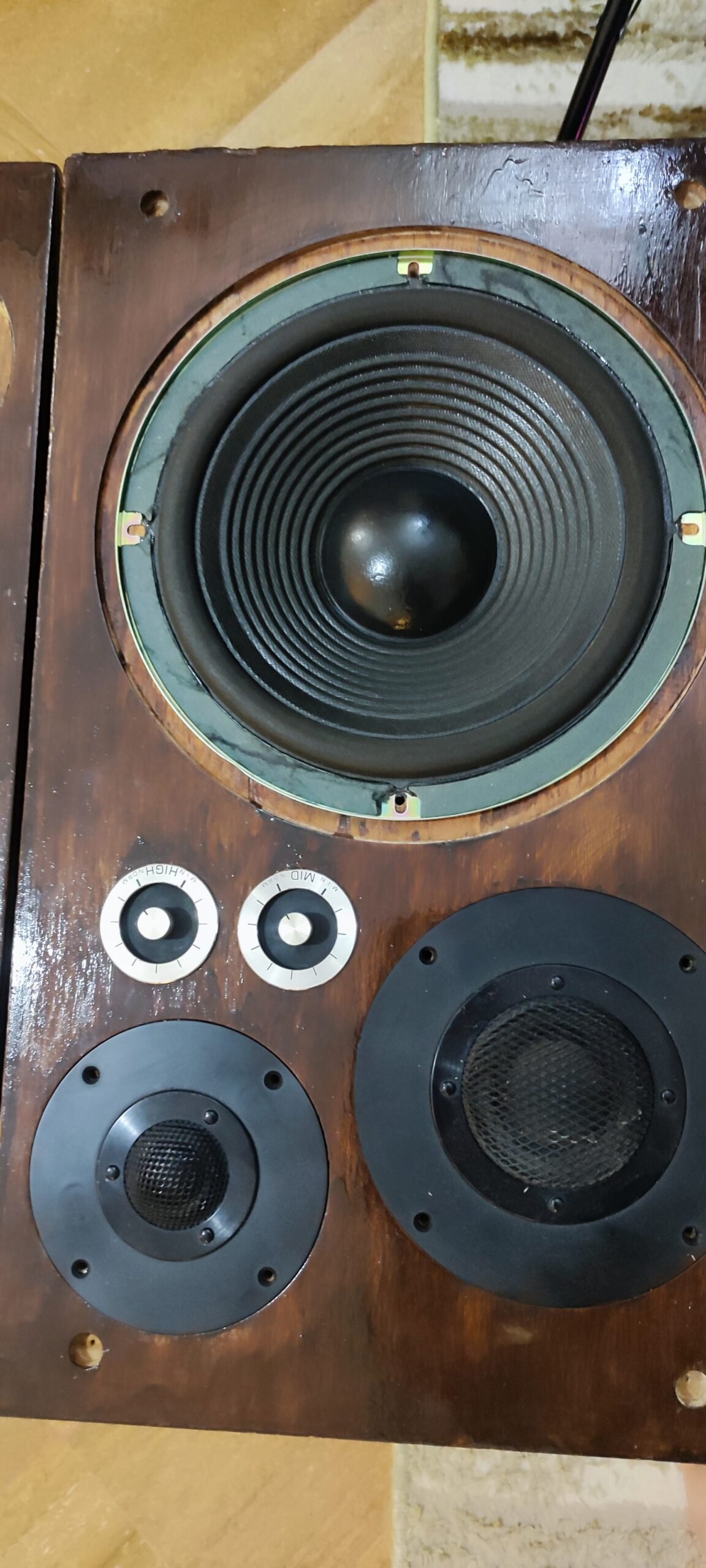
Integrating the Sharp woofers into the JVC cabinets required adjustments and patience.
I modified the woofer mounting area carefully to make the integration clean and stable while preserving the original identity of the speakers as much as possible.
Inside the cabinets, I also:
- cleaned everything completely
- optimized the acoustic damping
- preserved the original JVC crossover filters
- reorganized the internal wiring
- restored the MID and HIGH controls
I wanted the original JVC midrange and tweeters to keep their natural character while blending correctly with the Sharp woofers.
The Final Sound
The result honestly surprised me.
The speakers now deliver:
- deep and warm bass
- strong low-frequency presence
- detailed mids
- smooth highs
- a very enjoyable vintage listening experience
The Sharp woofers turned out to be extremely capable in the low frequencies, with very good sensitivity and a powerful yet musical character.
These speakers are no longer original JVC SX5 II.
But they are no longer abandoned either.
They became something unique:
a hybrid vintage system built through restoration, experimentation, and passion for sound.
Why I Love Projects Like This
What I enjoy most about vintage audio restoration is that every project tells a story.
Sometimes, restoring old equipment is not about perfection.
It’s about understanding the soul of the system, respecting its history, and finding creative ways to make it sing again.
This project is a perfect example of that philosophy.
Project by Soundustry
Vintage Audio Restoration
Audio Engineering
Acoustic Experimentation
Handcrafted Hi-Fi Projects