A few years ago, owning a real home theater system seemed reserved for enthusiasts or very expensive setups. Today, things have changed a lot. Even with a reasonable budget, it’s possible to create an incredibly immersive experience at home and completely rediscover your movies, TV series, music, and video games.
Many people think a home theater system simply means “louder sound” or multiple speakers around a television. In reality, it’s more about experiencing sound differently. When everything is properly installed, dialogues become clearer, music feels deeper, effects become more realistic, and gaming becomes far more immersive.
The goal is not necessarily to own a huge or ultra-expensive setup. The most important thing is understanding how all the components work together to create that cinematic and gaming atmosphere at home.
What Exactly Is a Home Theater?
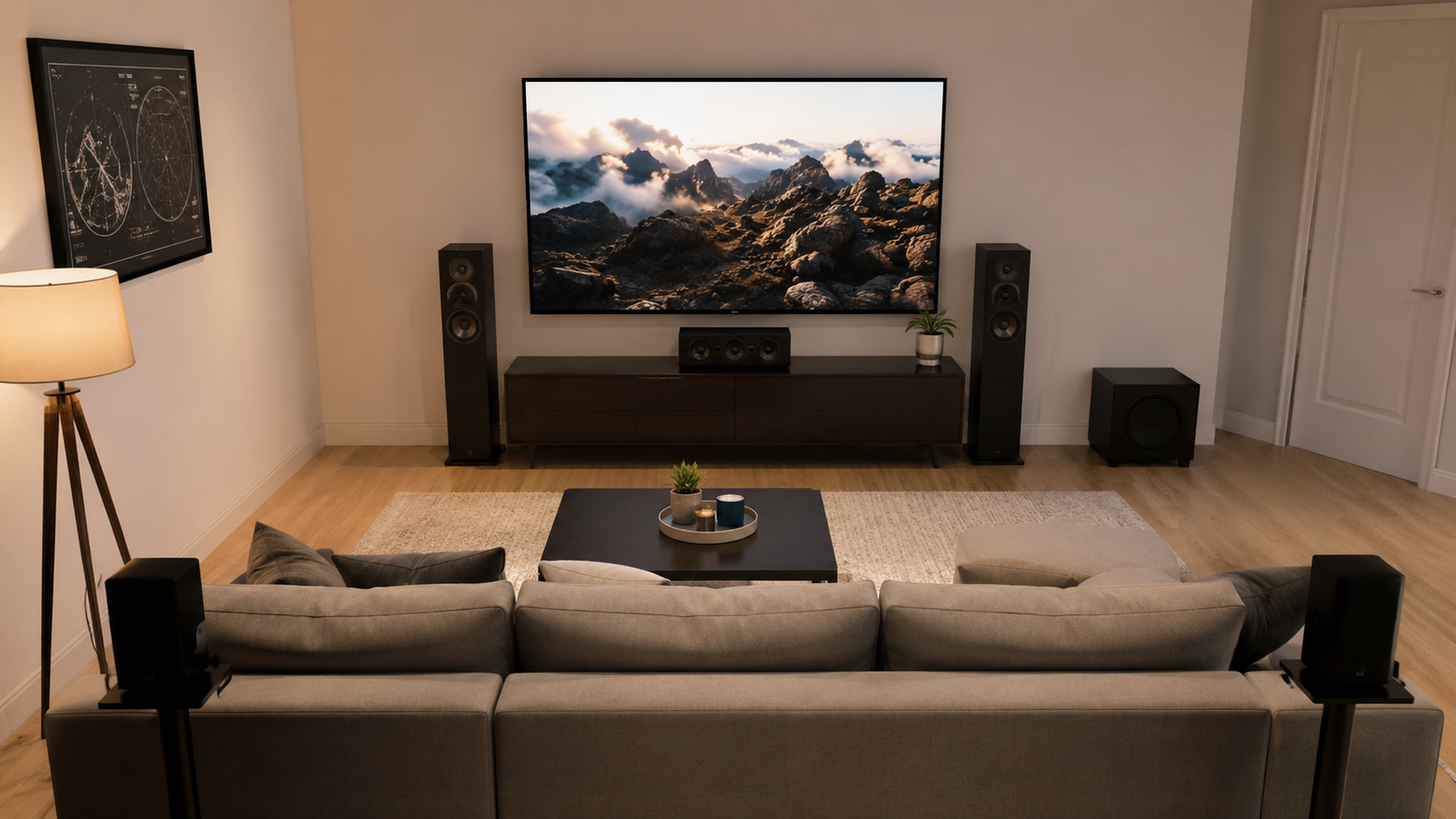
A home theater is an audio system designed to recreate the atmosphere and sensations of a real movie theater inside your home.
But contrary to what many people think, it’s not only about louder sound. The real purpose of a home theater is the way sound moves around you.
With a regular television, almost all sounds come from the same place: the screen. With a home theater system, every speaker has a different role to make scenes feel much more realistic and immersive.
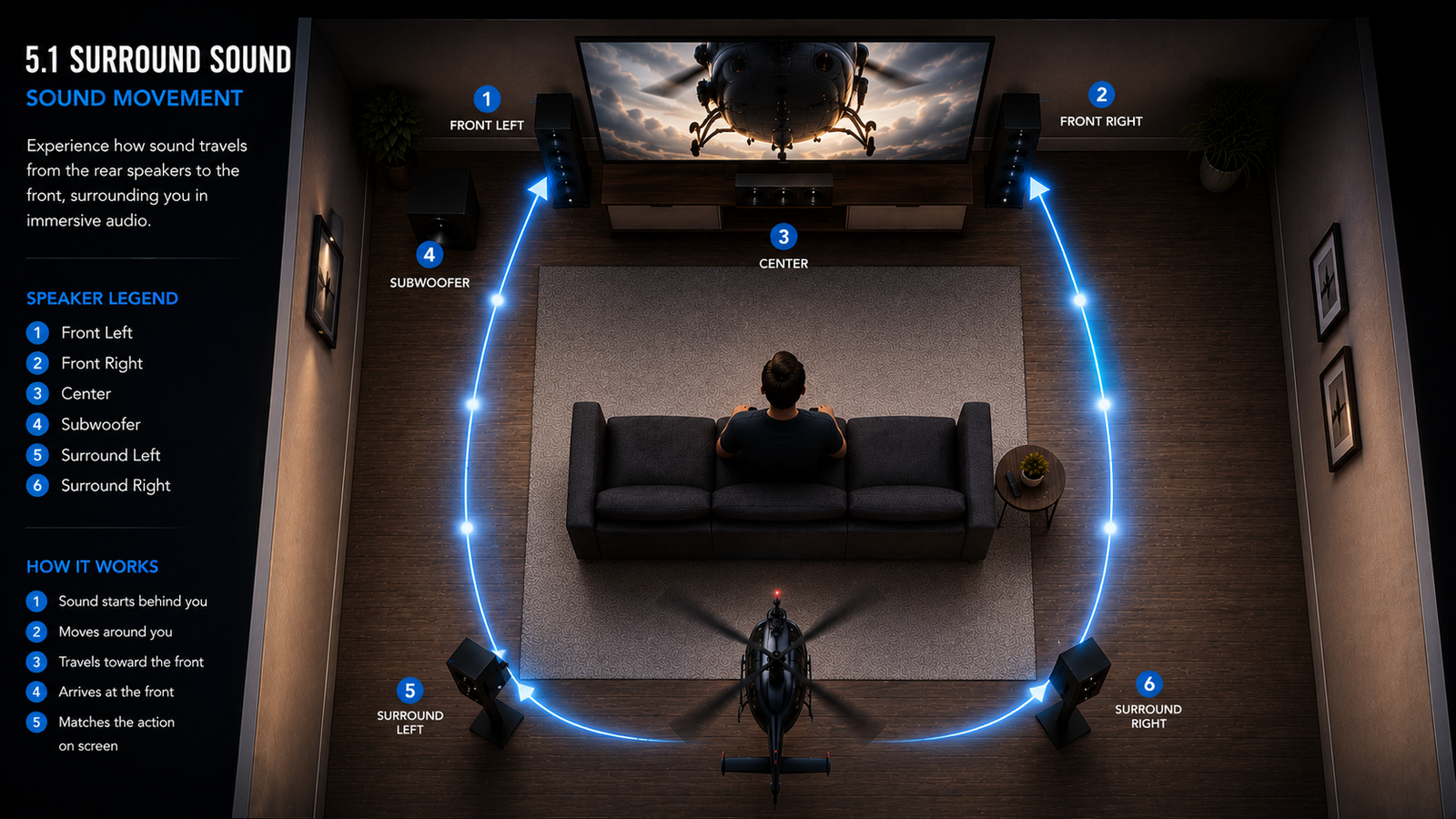
For example, during an action scene with a helicopter approaching from behind the camera and flying toward the front of the screen, the sound can actually begin from the rear speakers before gradually moving to the front speakers. Your brain naturally feels the movement and space much more realistically.
The same happens with:
- a car crossing the street,
- a bullet flying outside the frame,
- rain falling around you,
- a monster approaching in a horror movie,
- or the atmosphere of a crowded stadium.
Surround speakers are specifically designed to reproduce all those off-screen sounds that make you feel like the movie continues around you, not just in front of your eyes.
The center speaker is probably the most important speaker in the entire system. It mainly reproduces actors’ voices, but also many sounds located in the center of the image.
In reality, in many movies, most audio elements pass through the center speaker because most scenes are framed directly in front of the viewer. Dialogues, major sound effects, and important details are usually concentrated in that center area.
The left and right speakers mainly help widen the soundstage, move effects from one side to another, and give more scale to music and ambience.
Depending on the type of movie, surround speaker usage can vary a lot.
In:
- action movies,
- science fiction,
- adventure films,
- horror movies,
… surround effects are often heavily used to increase immersion.
While in:
- dramas,
- comedies,
- romantic movies,
- documentaries,
- or music-focused content,
… the sound design is usually more subtle and focused mainly on dialogue, music, and ambience.
That combination between all the speakers is what creates the true cinema feeling impossible to achieve with normal TV sound.
Why 5.1 Became the Standard
When people talk about home theater systems, the most popular format remains 5.1.
The concept is simple: multiple speakers work together to surround the listener with sound.
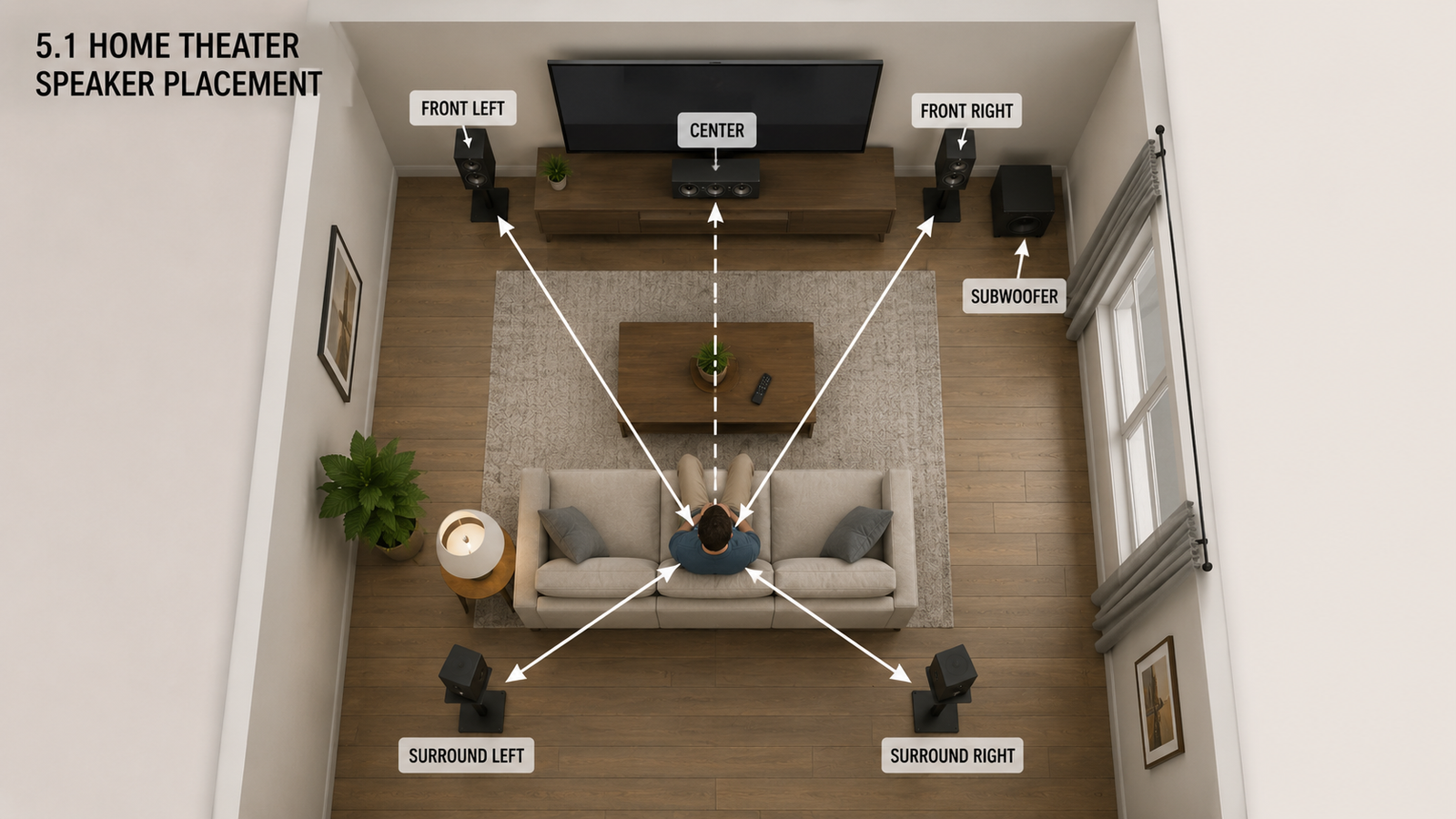
A classic 5.1 setup includes:
- two front speakers,
- one center speaker,
- two surround speakers,
- and one subwoofer.
The “.1” represents the subwoofer, responsible for low frequencies and powerful effects such as explosions, impacts, and deep cinematic bass.
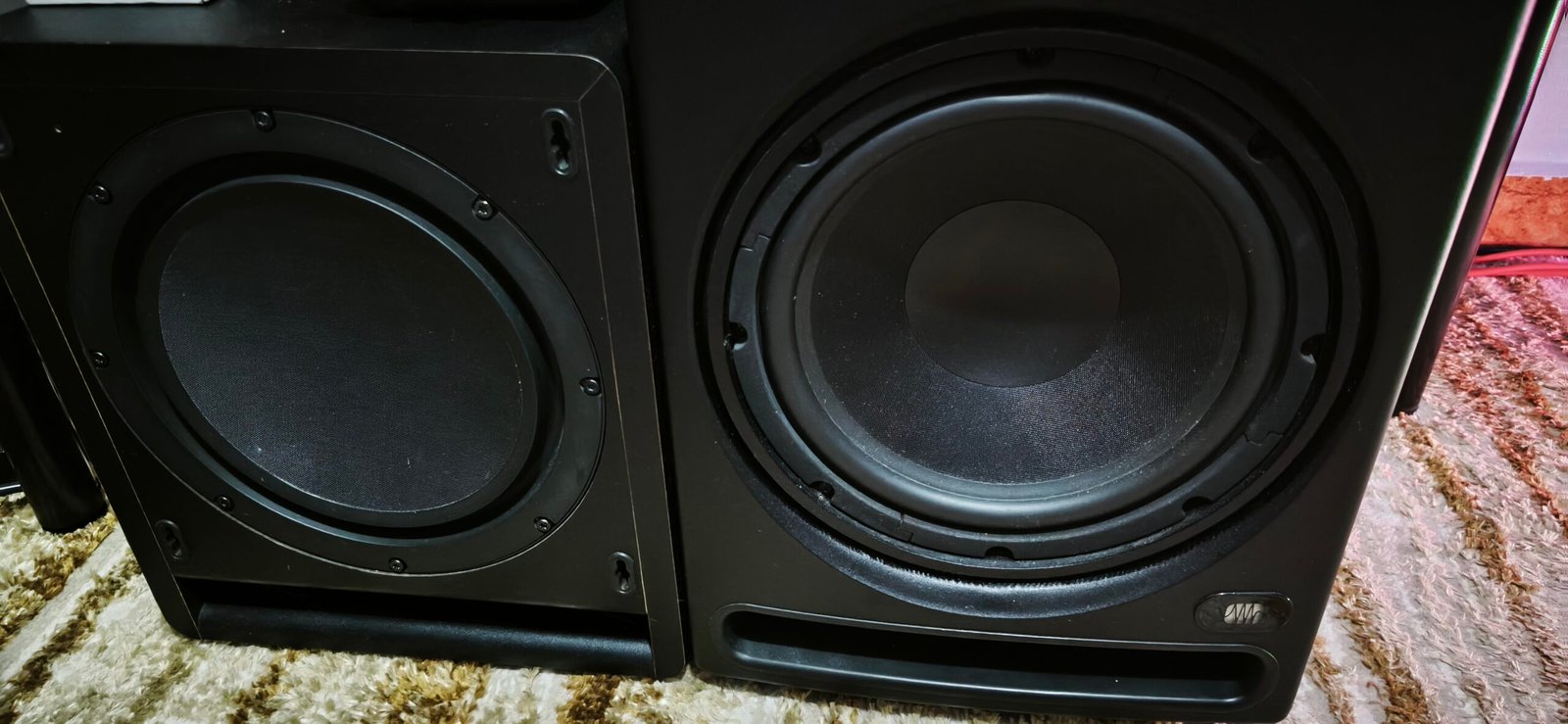
The 5.1 system became extremely popular because it offers an excellent balance between immersion, simplicity, and affordability.
For many living rooms, a properly installed 5.1 system is already enough to create a very impressive cinematic experience.
7.1 Systems: Even More Immersion
A 7.1 system works similarly to a 5.1 setup but adds two extra rear speakers.
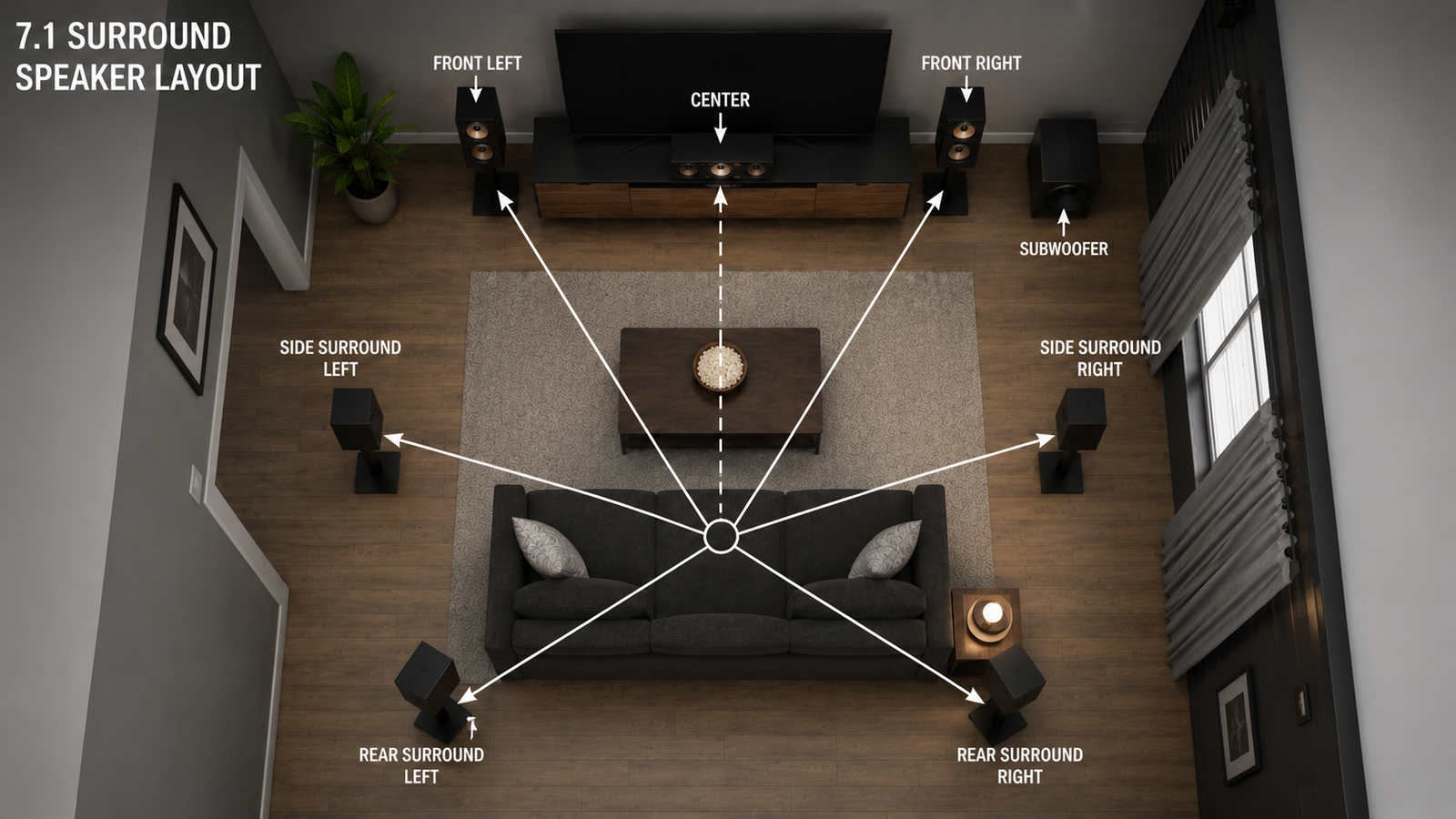
The goal is to improve surround precision and create a larger sound space, especially in bigger rooms.
In certain movies and video games, this can noticeably improve immersion, especially in:
- action scenes,
- war games,
- science fiction movies,
- and horror games.
But honestly, a well-calibrated 5.1 system will often sound better than a poorly installed 7.1 setup.
Room acoustics and speaker placement remain far more important than simply adding more speakers.
Dolby Digital, DTS, THX, and Dolby Atmos: No Need to Overcomplicate Things
When discovering home theater systems, people quickly encounter complicated names like Dolby Digital, DTS, THX, and Dolby Atmos.
At first, these terms can seem very technical, but behind all of them, the idea is actually quite simple: improving immersion and distributing sound intelligently across multiple speakers.
The story begins with Dolby Laboratories, an American company founded by Ray Dolby during the 1960s.
Originally, Dolby focused on reducing audio noise in studios and magnetic tape recordings.
Later, the company became a worldwide reference in cinema audio technology thanks to its surround sound innovations.
Dolby Surround and Dolby Pro Logic were among the first popular technologies capable of distributing sound across multiple speakers from simple stereo sources.
Then came Dolby Digital, which marked a huge evolution during the DVD era by introducing true digital 5.1 multichannel audio.
Later, Dolby Digital Plus improved compression efficiency and sound quality for modern streaming platforms like Netflix and Disney+.
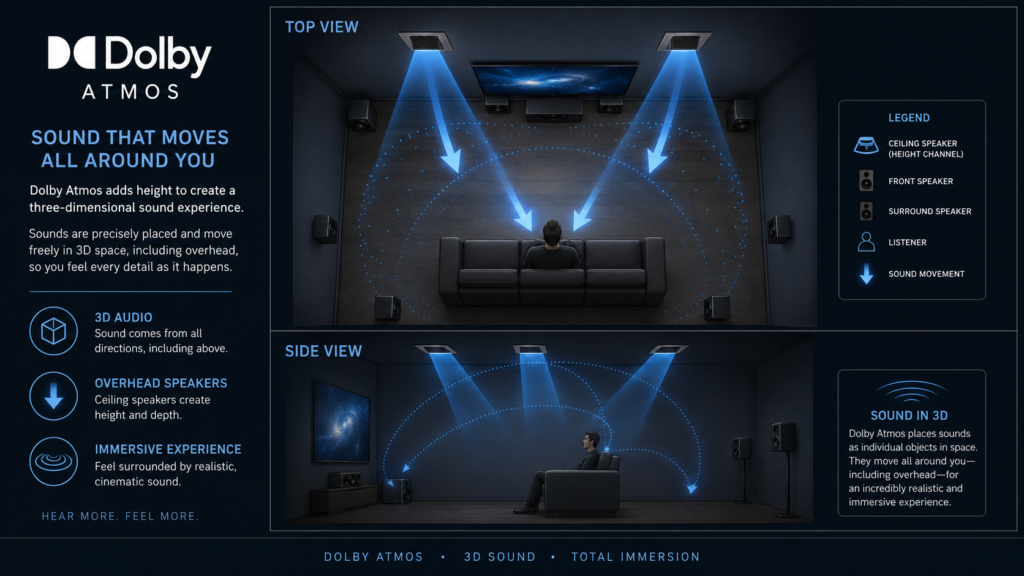
More recently, Dolby Atmos introduced an even more immersive approach by allowing sounds to move freely in three-dimensional space, including above the listener.
On the other side, DTS appeared during the 1990s as a direct competitor to Dolby Digital.
Many enthusiasts appreciate DTS for its sometimes more dynamic and powerful sound presentation in movies.
As for THX, many people think it is an audio format like Dolby or DTS, but that’s not exactly true.
THX was developed by Lucasfilm, the company created by George Lucas, in order to guarantee consistent sound quality standards in cinemas and home theater equipment.
But honestly, in real-world usage, there is no need to become obsessed with all these formats. A well-mixed movie can still sound fantastic on a properly configured 5.1 system.
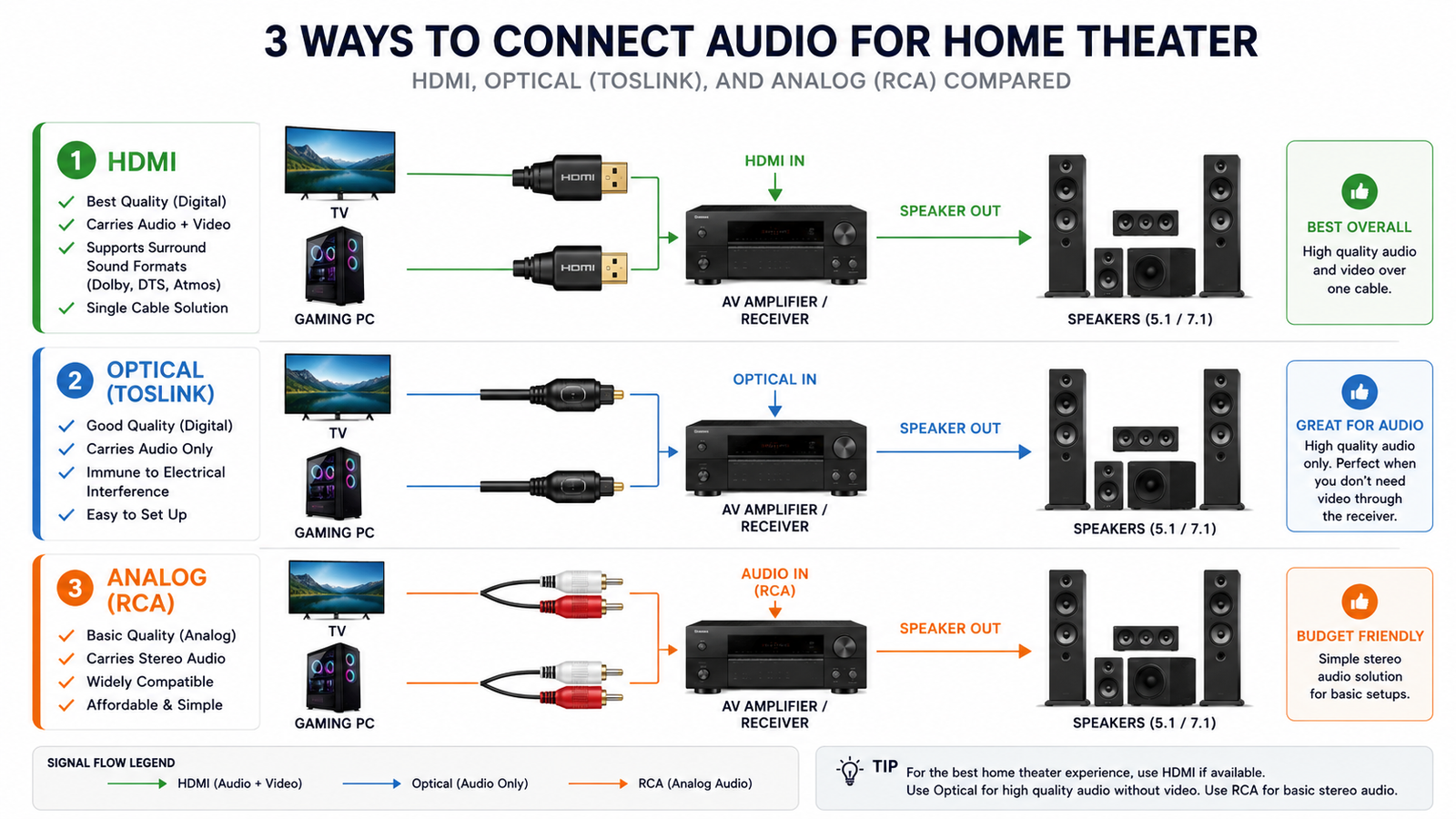
HDMI, Optical, or Analog: Which Connection Should You Choose?
On paper, HDMI is currently the most complete modern solution. It can carry both video and digital audio through a single cable while supporting modern formats like Dolby Atmos and DTS-HD.
But in practice, things can become much more complicated, especially in the world of PC gaming.
From real-world experience, many PC gamers encounter limitations when using HDMI through a home theater receiver.
Why?
Because modern graphics cards now use:
- very recent HDMI standards,
- high refresh rates,
- 144 Hz,
- 240 Hz,
- DisplayPort,
- VRR,
- G-Sync,
- or FreeSync technologies.
Meanwhile, many home theater receivers, even excellent audio models, do not always fully support the latest gaming video standards.
This can lead to:
- losing certain gaming functions,
- refresh rate limitations,
- compatibility problems,
- or reduced image quality.
That is why many PC users prefer separating audio and video completely:
- video goes directly from the PC to the monitor,
- while audio is sent separately to the receiver.
In some cases, analog audio can actually become a very interesting solution, especially when the PC sound card is high quality.
Analog connections also provide an important advantage: they work independently from HDMI limitations and digital compatibility issues.
Optical audio works very well for movies and consoles, but in PC gaming it can sometimes be more limited depending on the game engine and surround audio support.
Do You Need an Expensive Receiver?
Not necessarily.
This is probably one of the biggest misconceptions in home theater.
Yes, high-end equipment can offer certain advantages. But in reality, many well-installed mid-range systems already sound incredible.
What truly changes the experience is:
- speaker placement,
- room acoustics,
- source audio quality,
- and overall system balance.
Brands like Yamaha, Denon, Onkyo, and Marantz offer excellent receivers across many price ranges.
And honestly, many older high-end or even mid-range home theater receivers can still deliver fantastic sound today.
Some older models feature:
- stronger power supplies,
- more powerful amplification,
- better build quality,
- and sometimes a warmer sound signature than certain newer entry-level models.
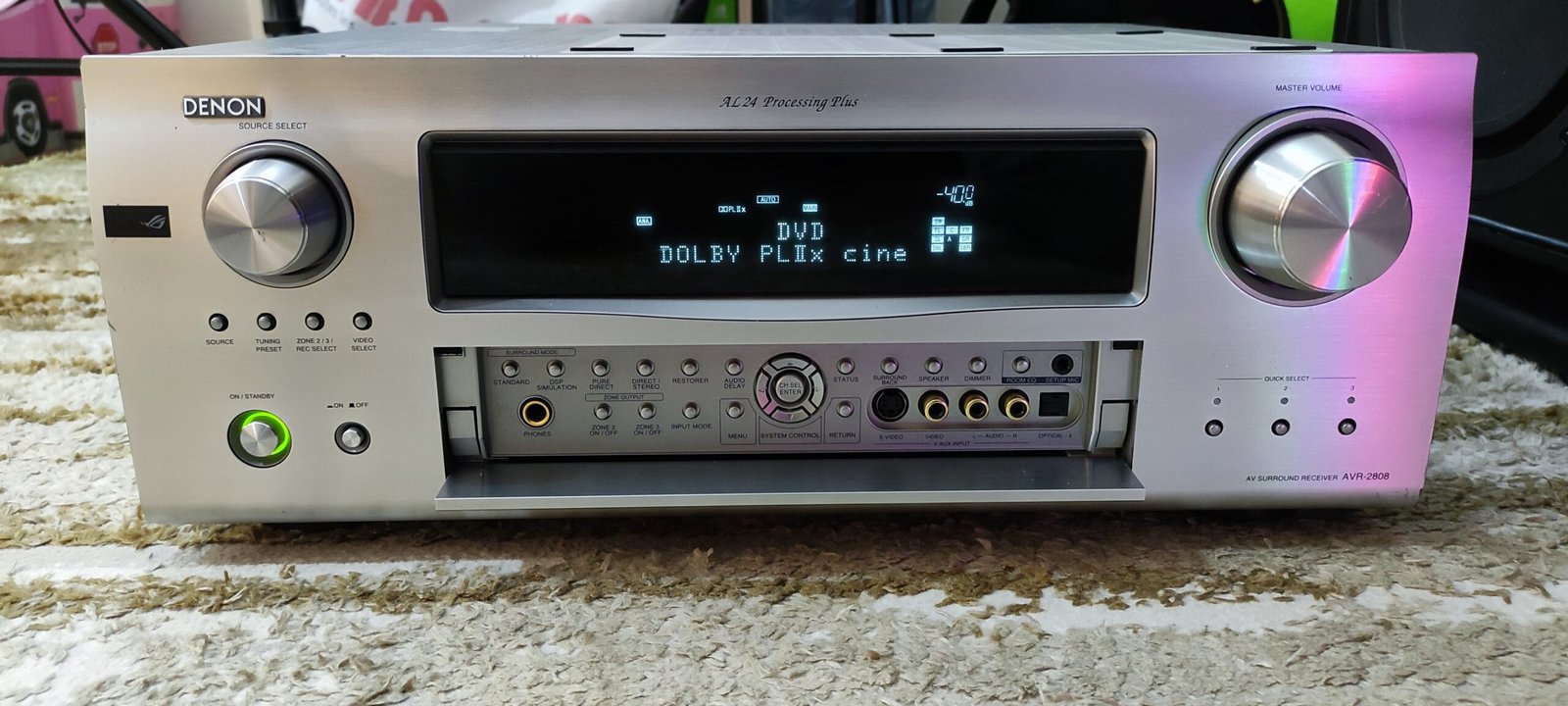
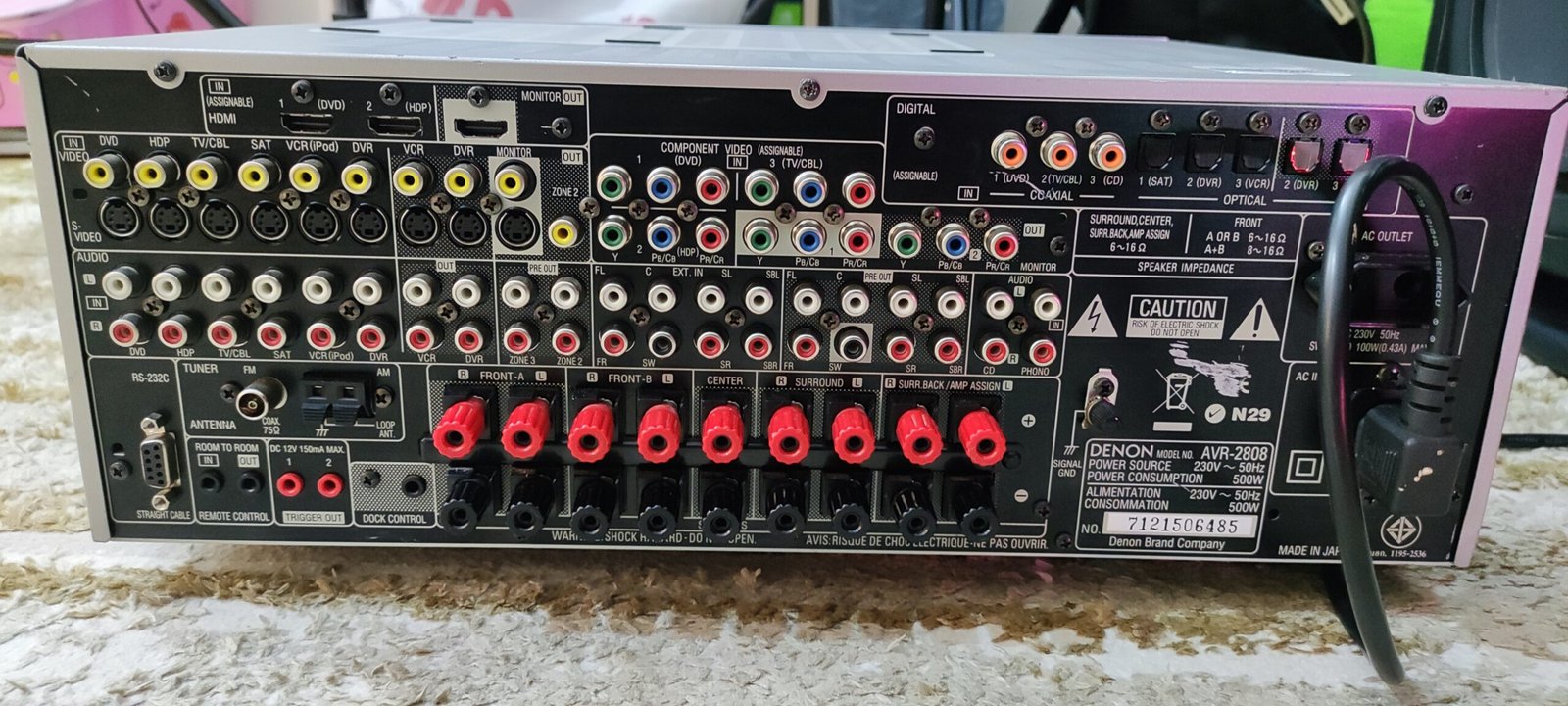
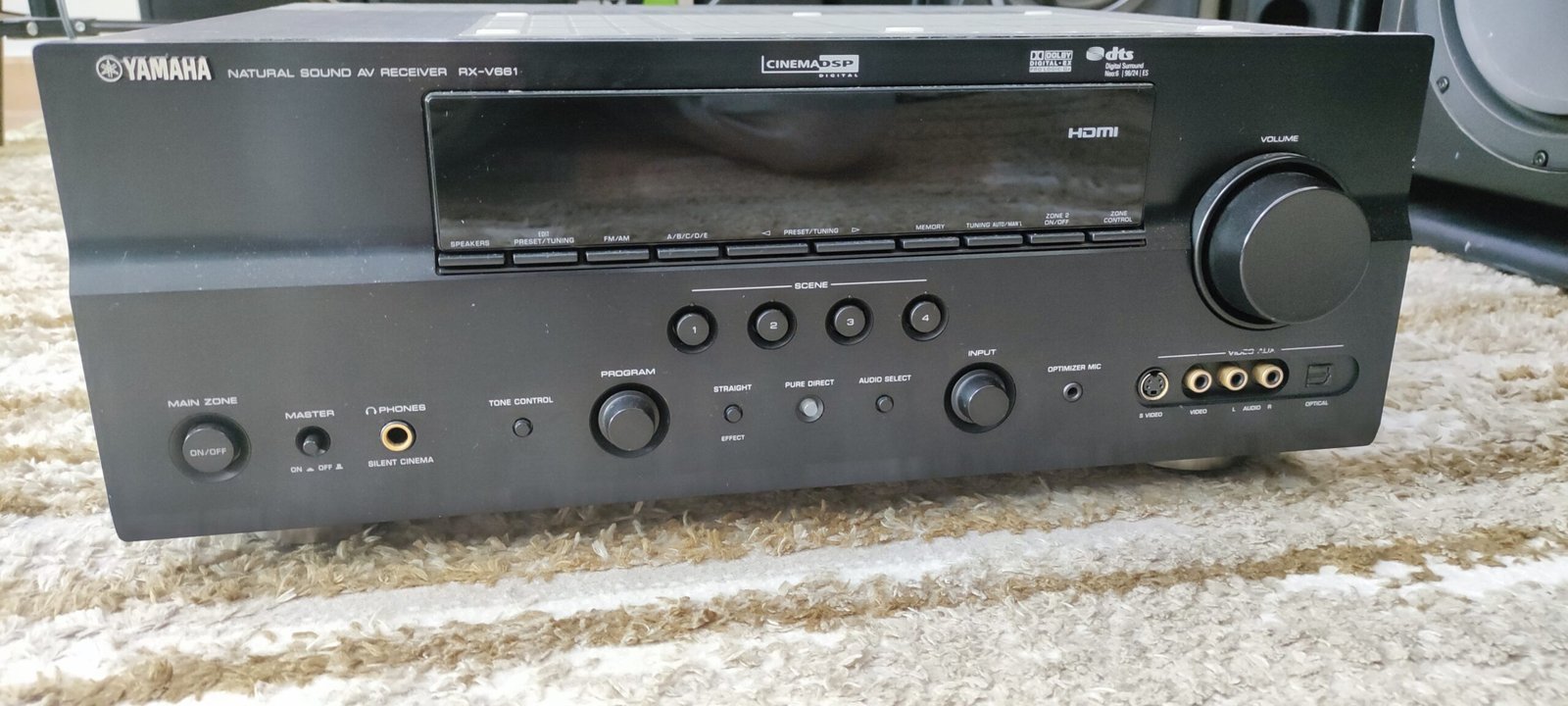
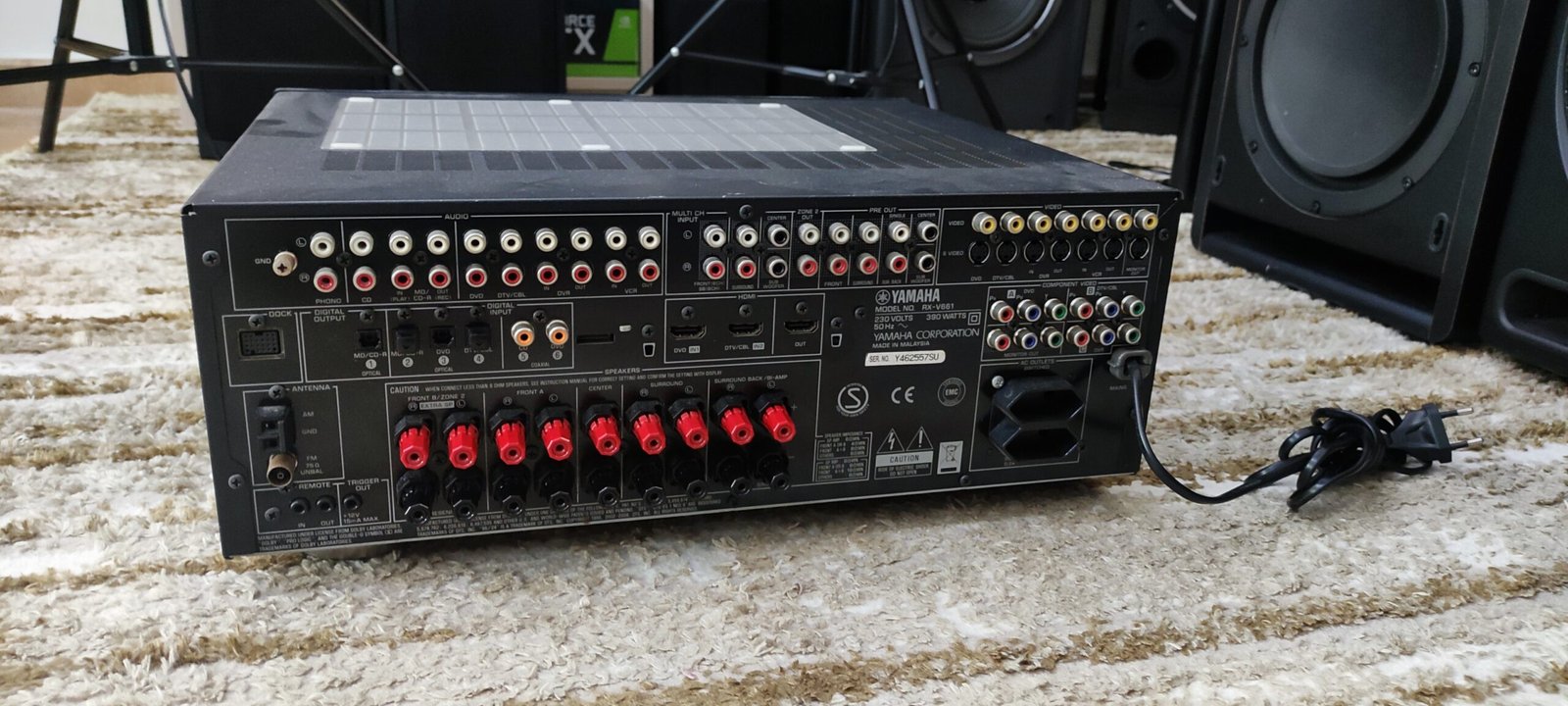
Of course, older receivers may lack:
- recent HDMI standards,
- Dolby Atmos,
- or modern gaming features.
But for movies, music, or analog setups, older receivers can still be excellent choices depending on your needs and budget.
Small Speakers or Large Tower Speakers?
This is a very common question.
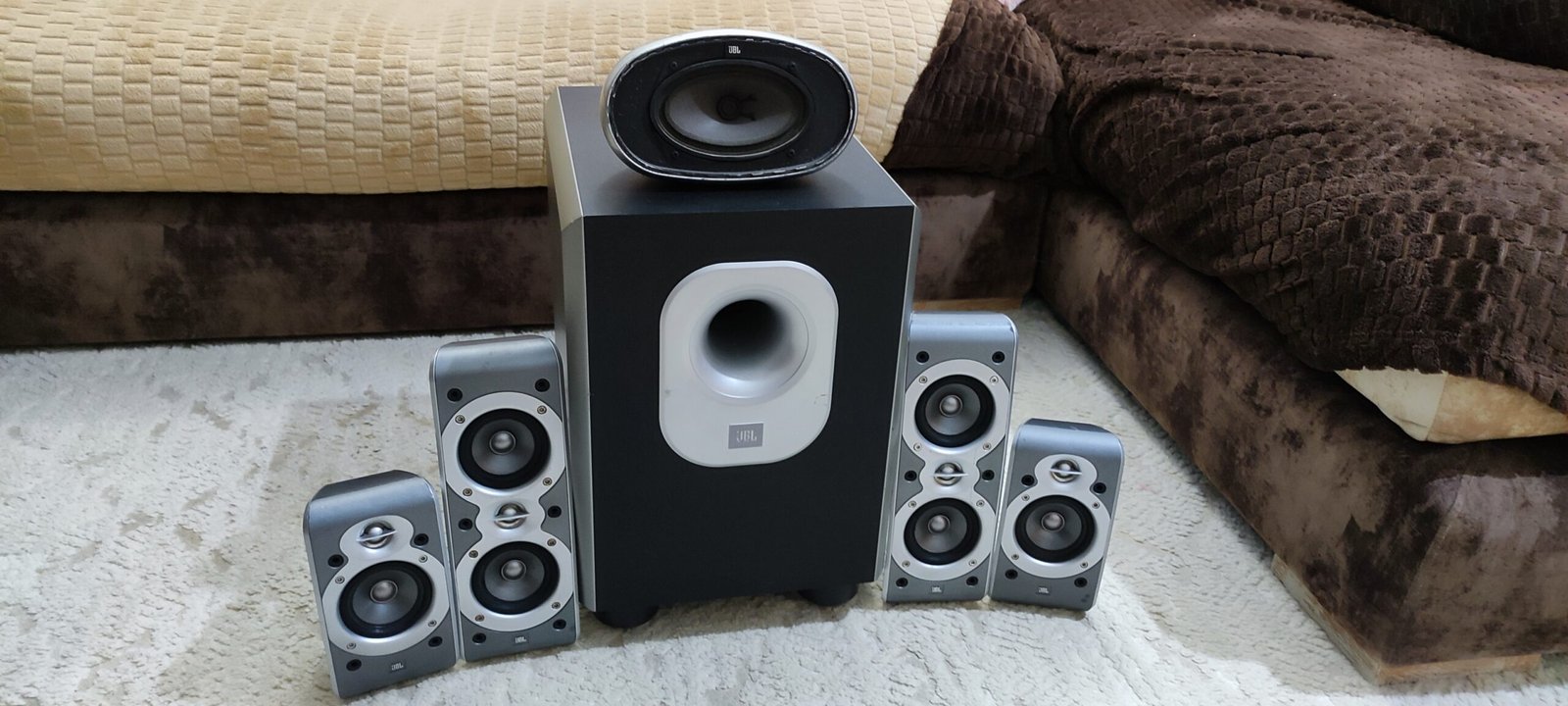
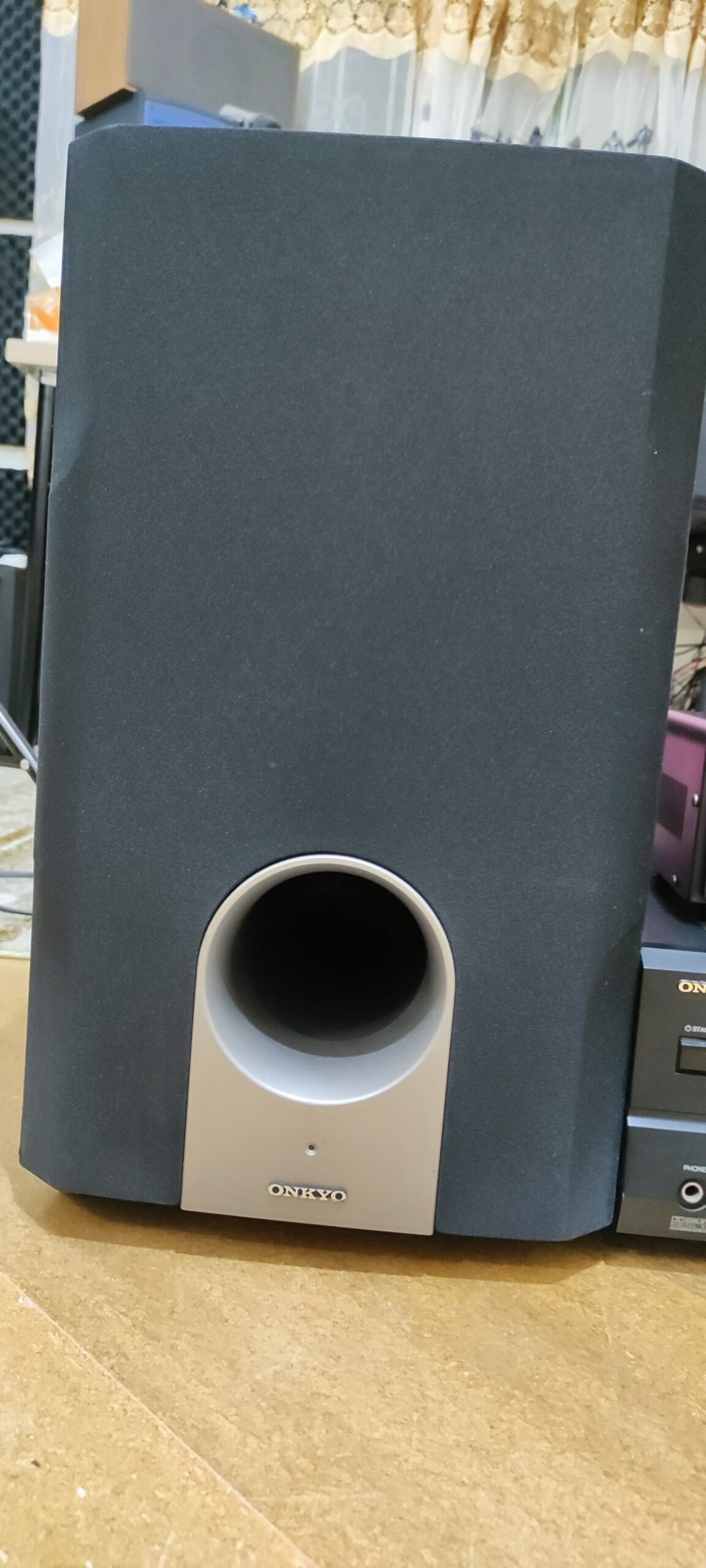
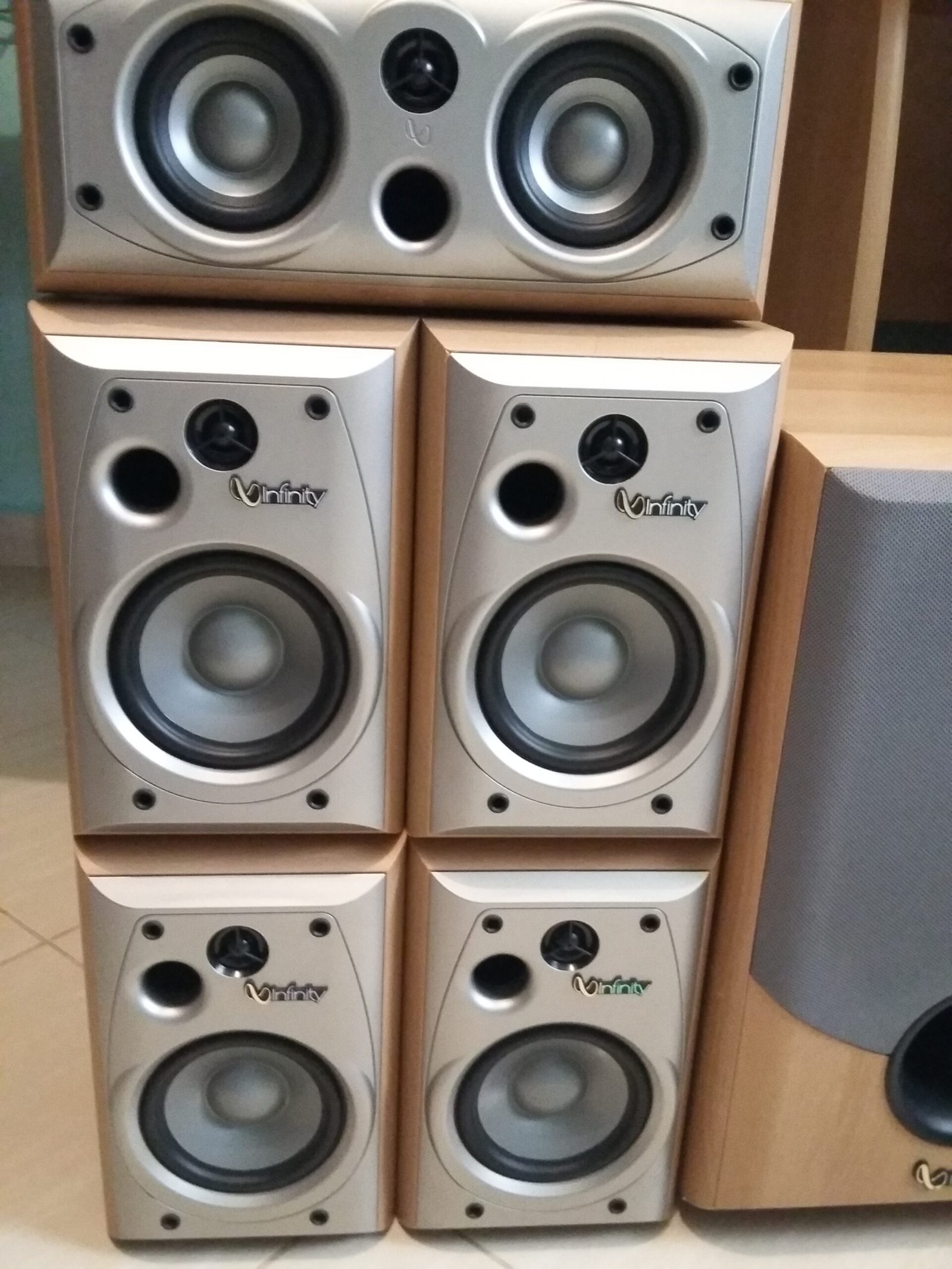
Small speakers paired with a subwoofer became extremely popular because they save space and integrate easily into modern living rooms.
The subwoofer handles deep bass frequencies while the smaller speakers reproduce the rest of the sound spectrum.
This setup is often ideal for:
- apartments,
- smaller rooms,
- or discreet installations.
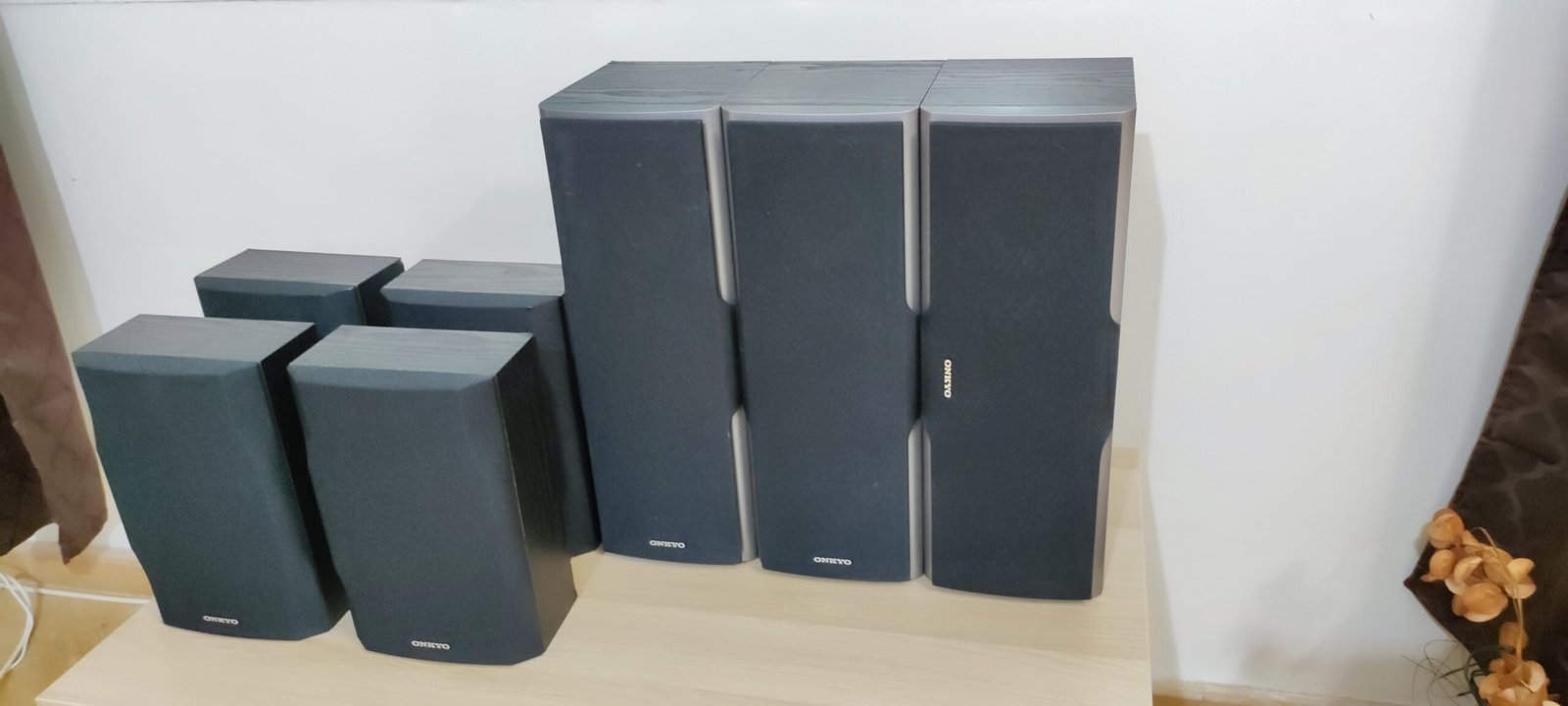
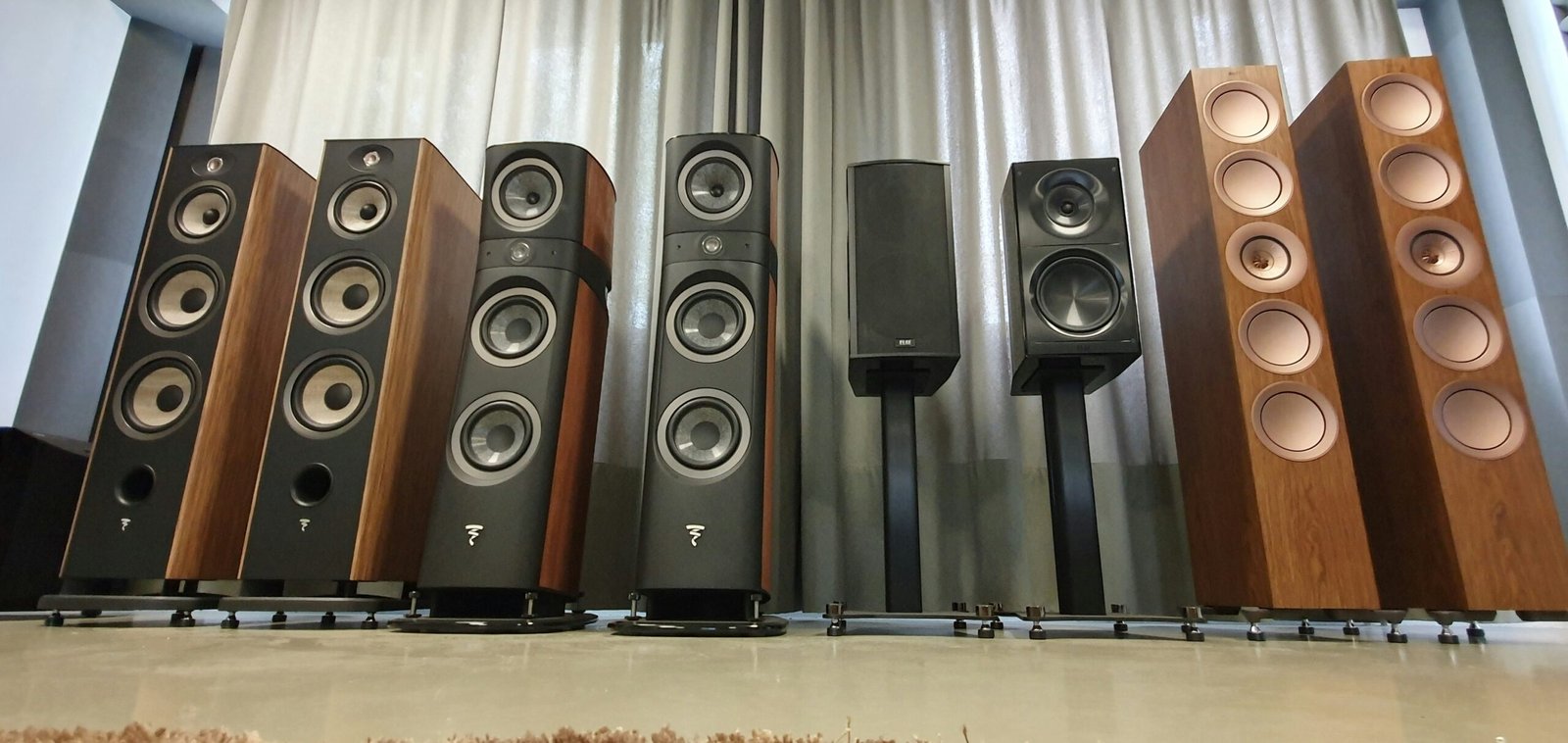
Large tower speakers usually provide:
- a wider soundstage,
- stronger presence,
- deeper sound,
- and often better musical performance.
They are especially suitable for larger rooms and people who listen to a lot of music in addition to movies.
But there is also something many people forget today: older hi-fi or vintage speakers can still offer exceptional sound quality for home theater systems.
In some situations, good vintage speakers can even outperform certain modern entry-level models depending on:
- your needs,
- build quality,
- driver design,
- and the sound character you are looking for.
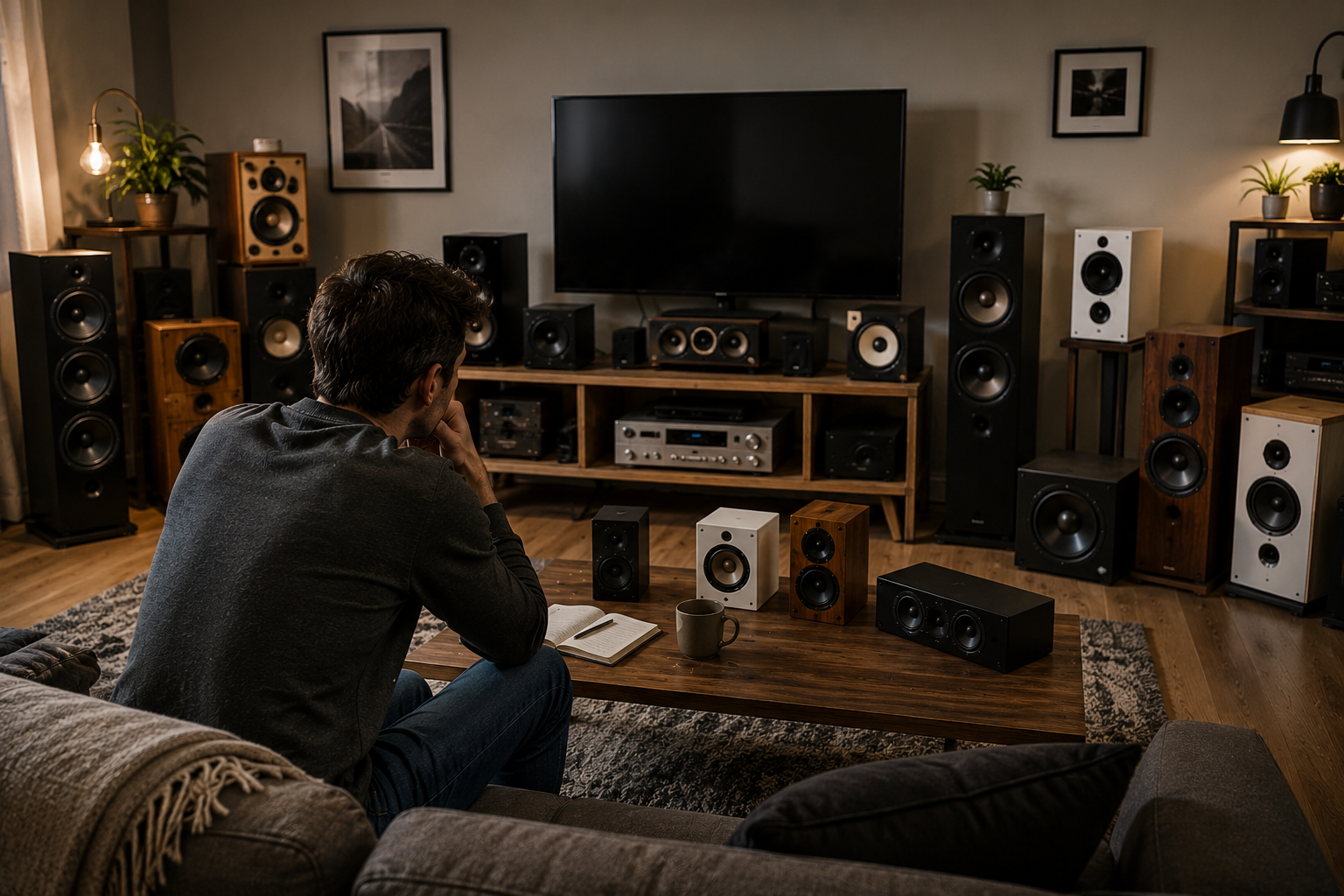
Many enthusiasts today build their own custom home theater systems using vintage or older hi-fi speakers.
Ideally, it is better to keep:
- the same brand,
- a similar sound signature,
- and compatible specifications,
in order to maintain consistent sound balance between all speakers.
It is also important to pay attention to:
- impedance,
- power handling,
- speaker sensitivity,
- and overall system balance.
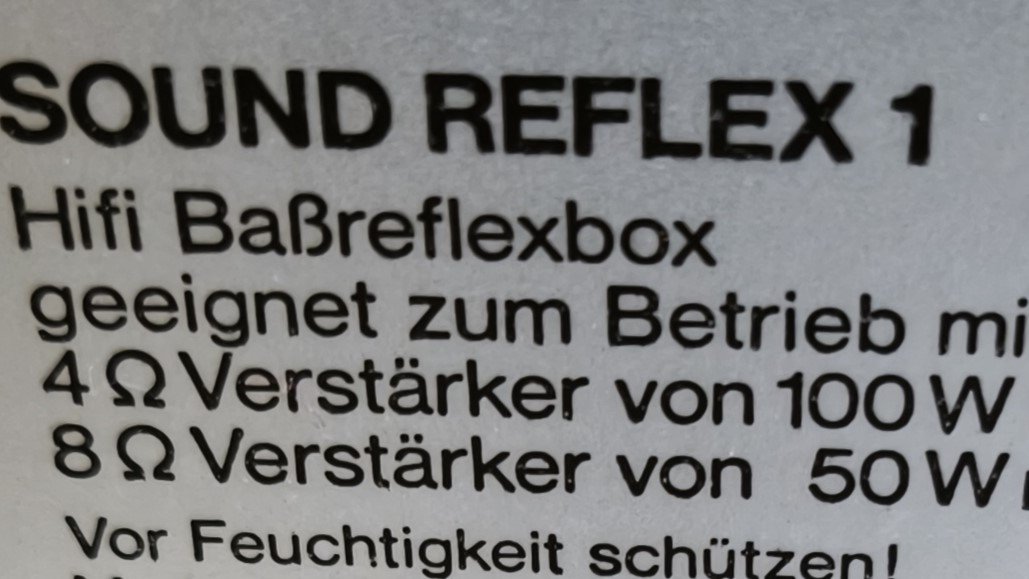
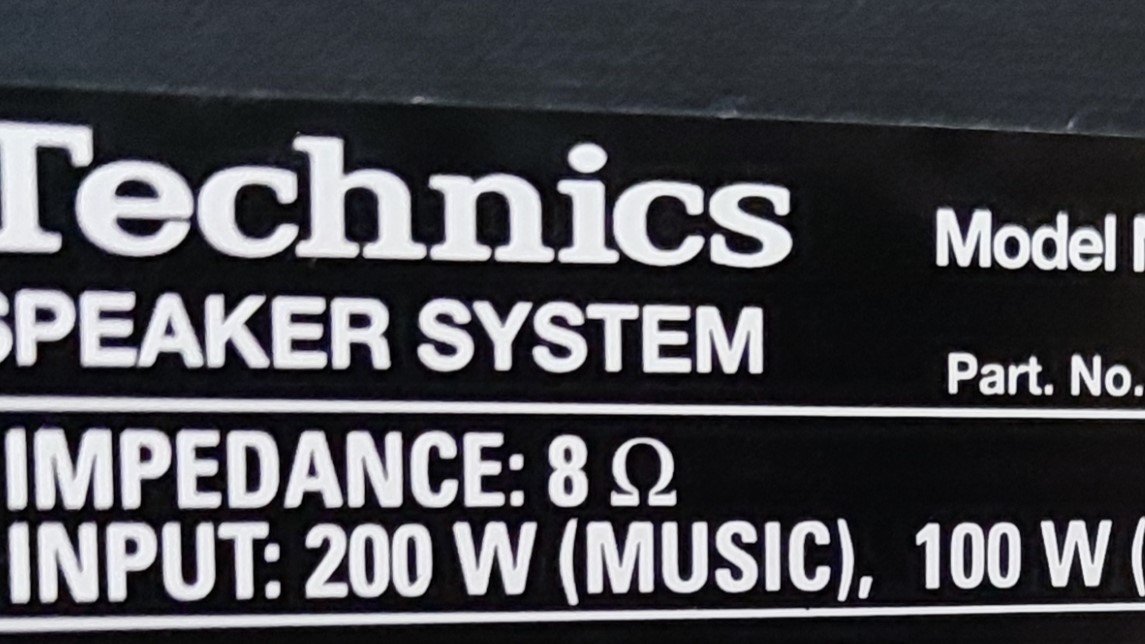
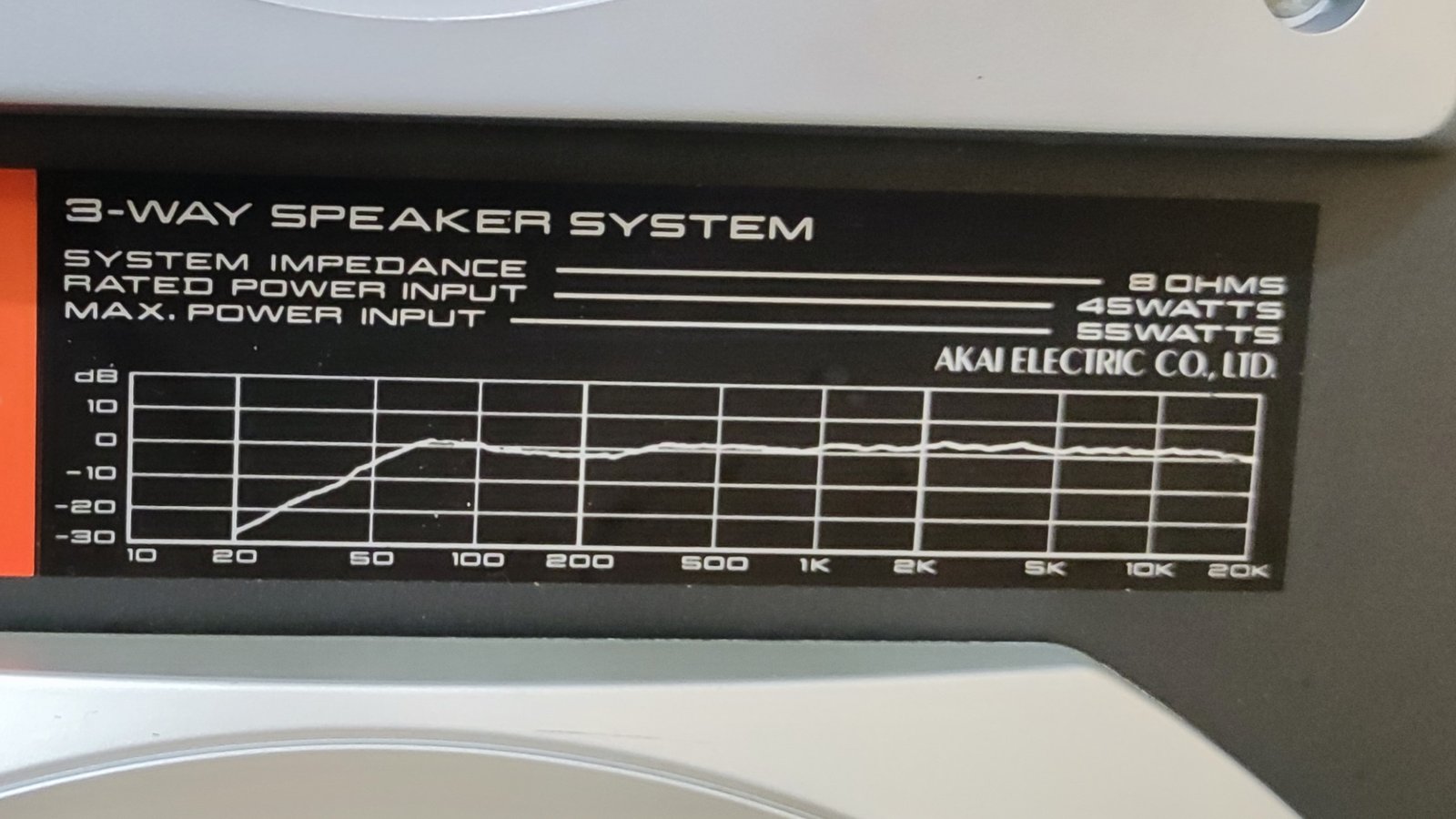
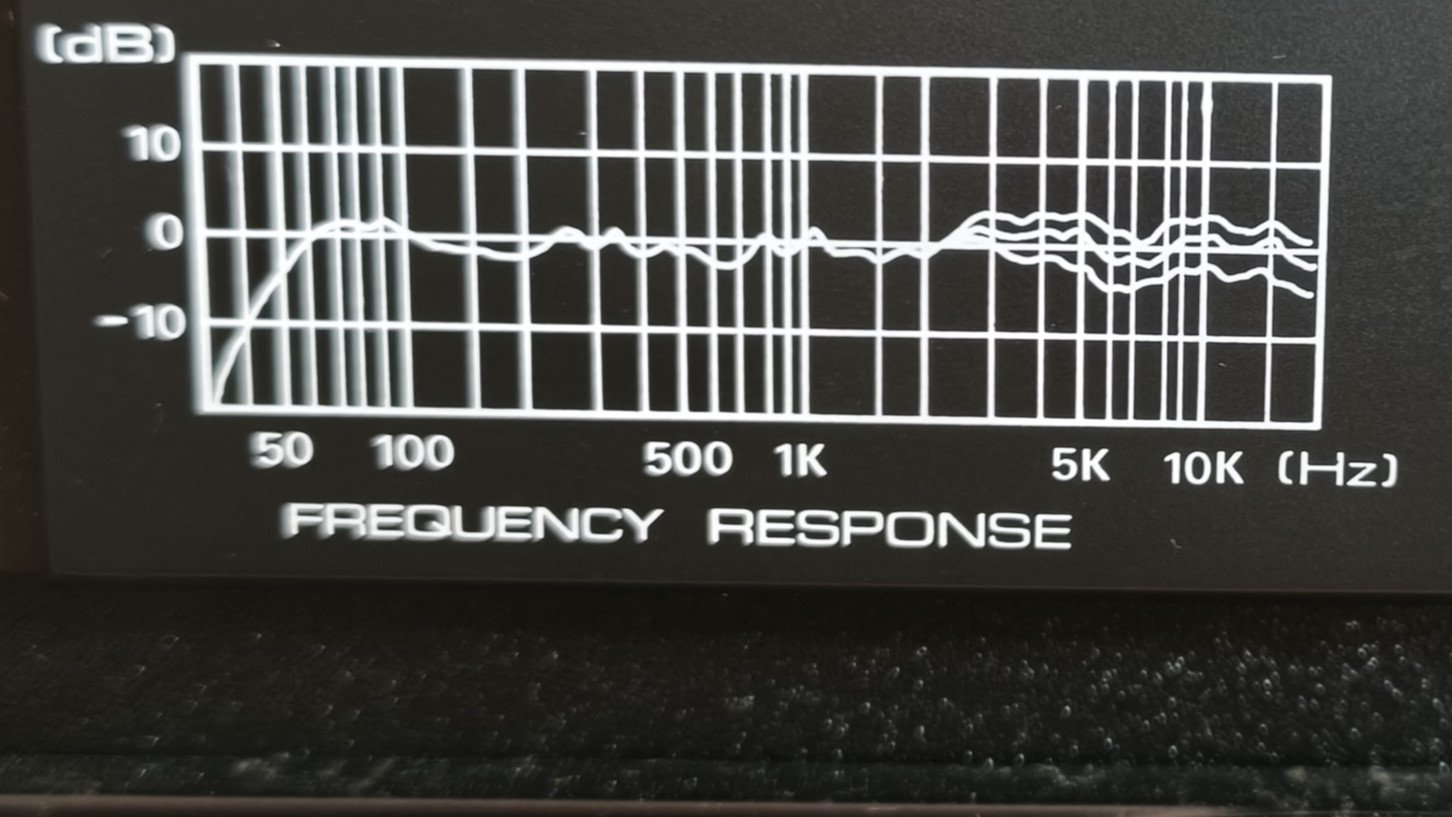
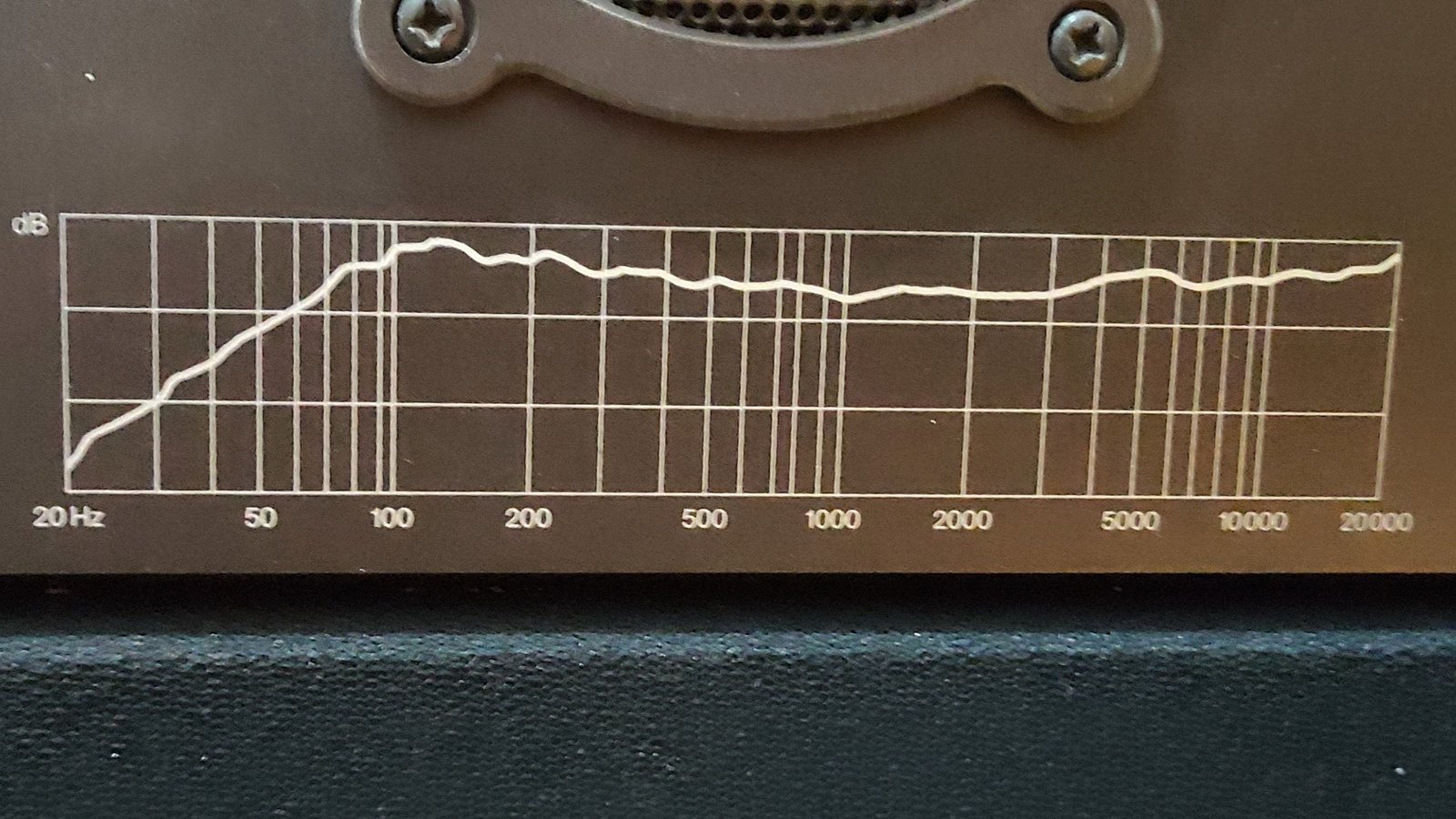
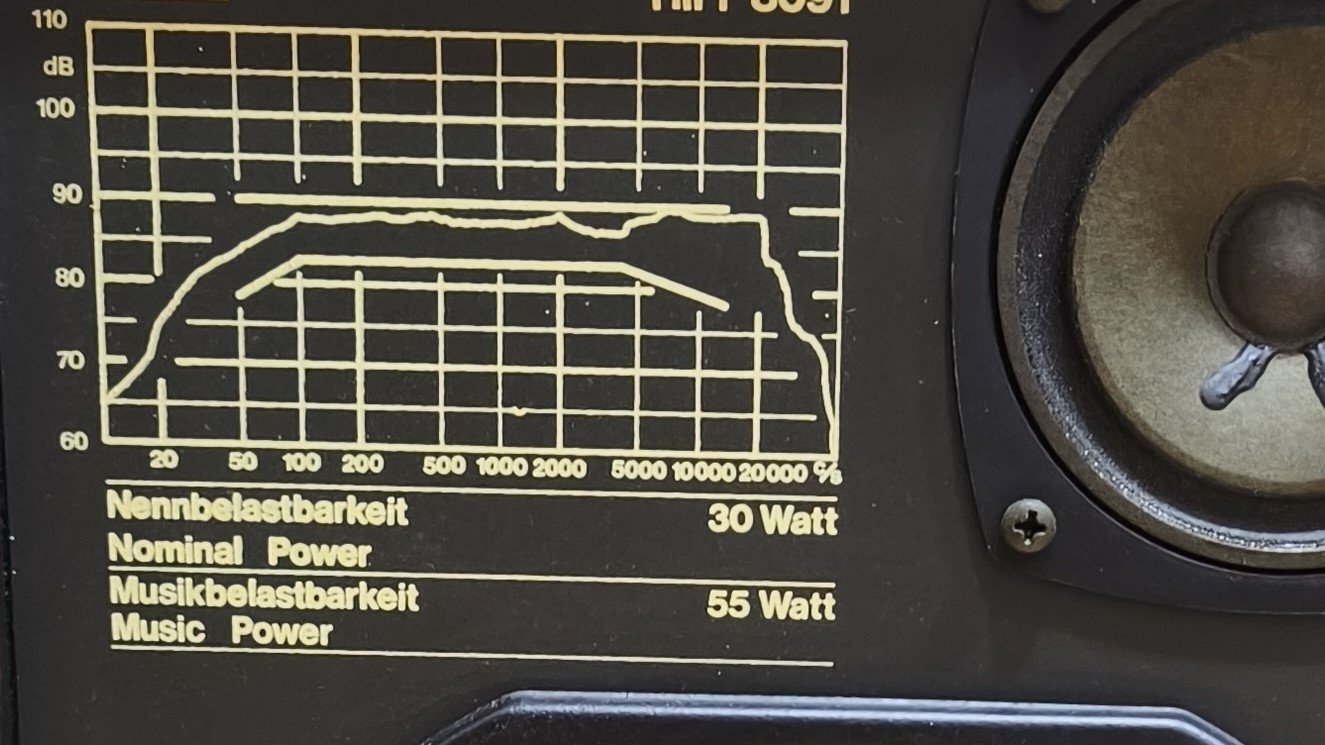
While mixing different speakers can sometimes work, a properly balanced system will usually sound far more natural and immersive.
At the end of the day, building a home theater is not only about buying modern equipment. It is also about intelligently combining different components to create a system that fits your room, your taste, and your budget.
Conclusion
Home theater systems may seem complicated at first because of all the formats, cables, and equipment available today.
But once you understand the basics, everything becomes much simpler.
The most important thing is not necessarily owning the most expensive or visually impressive system. What truly matters is the balance between the equipment, the quality of the audio source, and how well the system fits your room and personal needs.
Even a simple and reasonably priced setup can completely transform the way you watch movies, play video games, or listen to music.
And honestly, that is the true magic of home theater: bringing cinematic emotions and immersive experiences directly into your own home.